Authorised Independent Nu Skin Distributor
ReishiMax GLp® (AU)
Select Option:
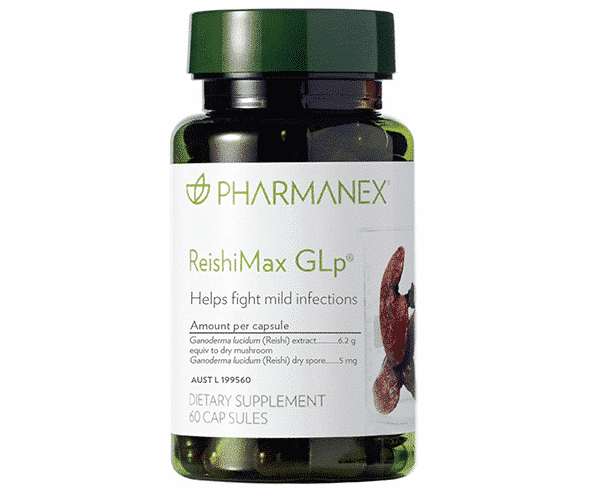
ReishiMax GLp® (AU$123.99) is Pharmanex's standardised Ganoderma lucidum (Reishi) extract — cracked-spore technology (95%+ cracking rate) plus standardised polysaccharide and triterpene levels per capsule. Designed for daily immune support and adaptogenic resilience. Distinct from Cordyceps CS-4 (different mushroom, different mechanism). Ships from the official Nu Skin warehouse in Australia, no membership required.
Product Description
ReishiMax GLp® (AU$123.99) is Pharmanex's standardised Ganoderma lucidum (Reishi mushroom) extract — designed for adults seeking daily immune support and adaptogenic resilience. Each capsule delivers guaranteed levels of the two compound classes most studied in Reishi research: beta-glucan polysaccharides and triterpenes (ganoderic acids), with cracked-spore technology cracking the chitin shell at controlled pressure (95%+ cracking rate) to expose the lipid-rich interior to digestion. The standardised + cracked-spore combination is what separates ReishiMax GLp from the mycelium-on-grain products that dominate the Australian Reishi market. Ships from the official Nu Skin warehouse in Australia, no Nu Skin membership or registration required.
What Makes It Different
Reishi supplements are not a homogenous category. Most products on the Australian shelves use dried mycelium grown on grain substrates — meaning a significant fraction of the final powder is starch from the growing medium, not active fungal compounds. ReishiMax GLp uses a proprietary extraction built on Reishi spores (the mushroom's reproductive cells), which carry roughly 2–3× the triterpene concentration of the fruiting body. Intact spores have a chitin shell that resists human digestion almost entirely; the cracked-spore process breaks the shell without degrading the heat-sensitive compounds inside.
The second differentiator is standardisation. According to Wachtel-Galor S et al. in Herbal Medicine: Biomolecular and Clinical Aspects (2nd edition, 2011), Ganoderma lucidum's polysaccharides and triterpenes have been studied for immunomodulatory properties — meaning they support appropriate immune response, not blunt immune stimulation. ReishiMax GLp is standardised to specific levels of both compound classes per capsule, so each dose delivers a consistent amount; most retail Reishi powders are not standardised, leaving the actual triterpene content unknown.
Key Ingredients
Ganoderma lucidum polysaccharides (beta-glucans): Among the most studied immunomodulatory compounds in mycology. Interact with pattern-recognition receptors on macrophages and dendritic cells, supporting the body's innate immune surveillance. Clinical studies on Reishi polysaccharides have used extract doses ranging from 1.4–5.4 g daily; ReishiMax GLp's standardised content falls within researched ranges at the labelled four-capsule daily dose.
Triterpenes (ganoderic acids): Reishi contains over 130 identified triterpene compounds, primarily ganoderic acids — the bitter-tasting compounds responsible for much of Reishi's traditional reputation. Triterpenes are fat-soluble and poorly absorbed unless the spore shell is broken; cracked-spore technology is what makes them physiologically available rather than passing through unabsorbed.
Cracked Reishi spores: The spore is the most nutrient-dense part of the Reishi mushroom. Cracking the chitin shell at controlled pressure exposes the lipid-rich interior to digestion. The cracking rate in ReishiMax GLp exceeds 95%.
Who Is This Designed For
✅ Best suited: Adults seeking daily immune support and adaptogenic resilience — particularly those who travel frequently, work shift patterns, or have tried generic Reishi powders without noticeable effect and want a standardised, cracked-spore alternative.
⚠️ Less suited: Consult your healthcare professional first if you are taking immunosuppressant medication (corticosteroids, biologics, post-transplant therapy), blood thinners, or chemotherapy; if you have an active autoimmune condition; or if you are pregnant or breastfeeding.
💡 Pairs well with: a daily multivitamin foundation, sleep consistency, and seasonal vitamin D support during the May–September Australian winter.
The persona this most clearly fits is a 35–60-year-old Australian who has read enough about adaptogenic mushrooms to know that not all Reishi is the same — someone who has either bought a generic Reishi powder and felt nothing, or is starting from scratch and wants the version with published mechanism data. Frequent travellers, shift workers, parents recovering from a long winter of family colds, and adults heading into the southern hemisphere flu season are the most consistent users.
How It Compares
| Dimension | ReishiMax GLp | Host Defense Reishi | Life Cykel Reishi | Generic pharmacy Reishi powder |
|---|---|---|---|---|
| Source material | Cracked spores (95%+ cracking rate) + extract | Mycelium on brown rice + fruiting body | Liquid extract from fruiting body | Typically dried mycelium on grain |
| Standardisation | Standardised polysaccharide + triterpene levels | Beta-glucan tested per batch, not standardised triterpenes | Concentration listed; standardisation method varies | Usually not standardised |
| Triterpene bioavailability | Cracked spores expose fat-soluble triterpenes | Fruiting-body extract — moderate triterpene access | Liquid extraction — moderate access | Limited — chitin shell intact |
| Format | Capsule, shelf-stable | Capsule | Liquid tincture | Powder or capsule |
| Designed primary use | Daily immune support, adaptogenic resilience | General Reishi support | Adaptogenic, mood/sleep angle | General "Reishi" supplementation |
Comparison information based on publicly available product specifications as of May 2026. Formulation details vary across batches and reformulations.
The category-level point: Reishi has been used in East Asian traditional medicine for over two thousand years, and the modern research differentiates source forms quite sharply. Spore-based extracts with cracked-shell processing access the triterpene fraction far more efficiently than mycelium-on-grain products, and standardised products allow dose-response thinking that unstandardised products do not. If your priority is a low-cost daily Reishi powder for general adaptogenic exposure, generic pharmacy options are reasonable for that simpler goal. For users who want the published-mechanism dose form with standardised compound levels, ReishiMax GLp is built around a different scope.
How Australians Are Using It
Standard dose: 2 capsules twice daily with meals — 4 capsules total per day. Consistency matters more than timing precision; Reishi compounds work via gradual immune-system priming rather than acute effects. Most users settle into a morning-and-evening pattern with breakfast and dinner.
What to expect: Reishi is a slow-build adaptogen, not a fast-acting stimulant. The first week or two establishes the routine without notable subjective change. Across weeks 2–6 of consistent daily use, users commonly report steadier energy through the day, easier transitions through travel time-zone shifts, and a sense of recovering from minor seasonal illnesses faster. The subjective effects are real but modest — the kind that become more obvious when you stop taking it for a week than when you start.
Australian seasonal note: ReishiMax GLp is most useful heading into the May–September winter months, when immune function tends to dip and indoor heating raises respiratory exposure. Pair with consistent vitamin D supplementation during the same window if you live south of Sydney.
Works With
Tegreen 97
Tegreen 97 layers a high-concentration green tea catechin antioxidant load onto the immunomodulatory base of ReishiMax GLp. The combination is popular among Australians heading into winter — Reishi for immune-system priming, Tegreen 97 for general antioxidant defence and metabolic support. Take Tegreen 97 in the morning (it contains caffeine) and ReishiMax GLp split across morning and evening doses.
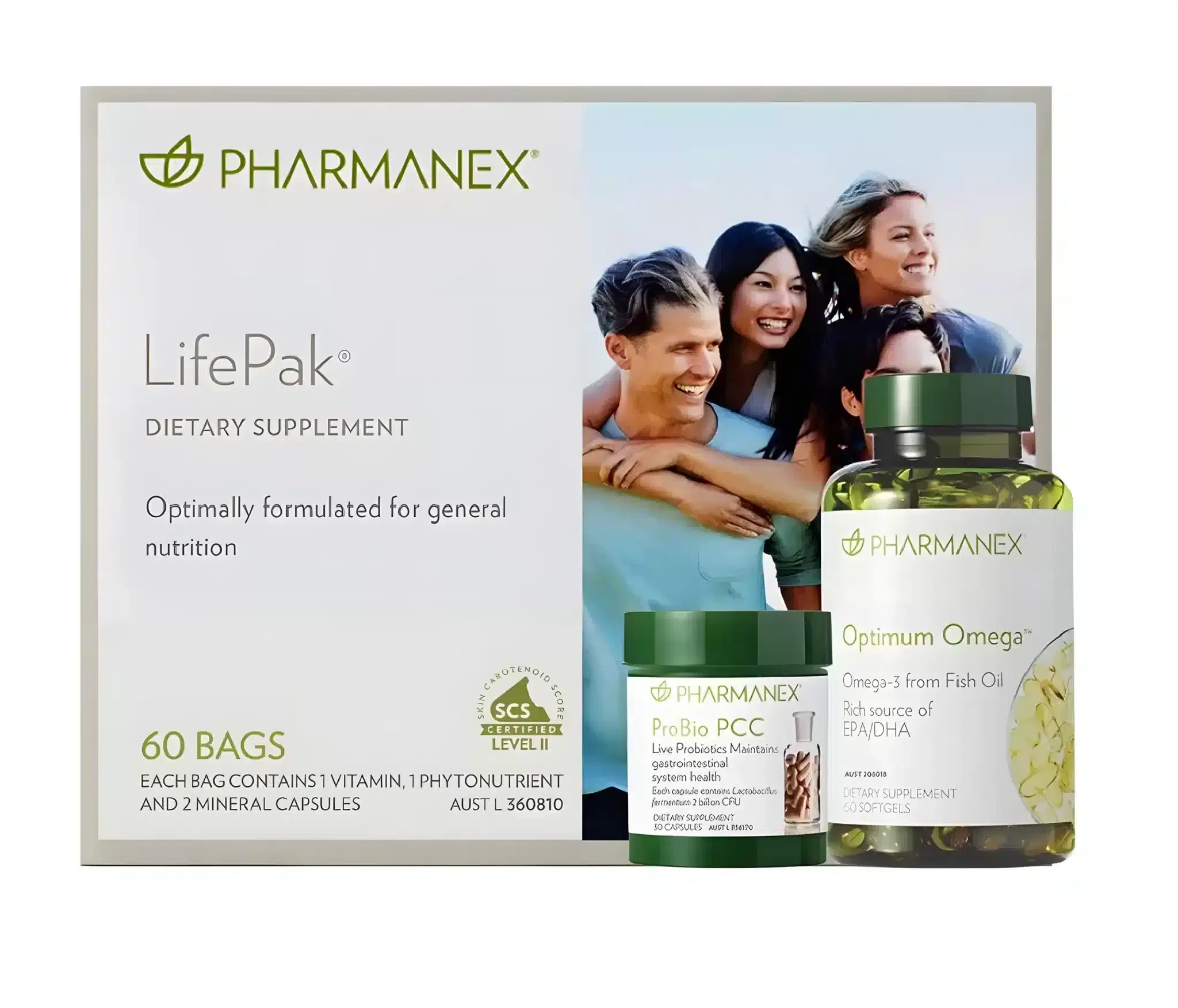
LifePak® Premium Multivitamin
The daily nutritional foundation that Reishi sits on top of. Adaptogenic mushrooms work better when underlying micronutrient status — particularly vitamin D, zinc, and selenium — is sufficient. LifePak supplies the chelated mineral and vitamin baseline that supports the immune pathways ReishiMax GLp is modulating.
Frequently Asked Questions
Can I buy ReishiMax GLp in Australia without signing up to Nu Skin?
Yes. NuBest Skin sells ReishiMax GLp at AU$123.99 with no Nu Skin membership, no registration, and no minimum order. Free shipping applies on orders over AU$99 and the product ships from the official Nu Skin warehouse in Australia within 3–5 business days.
How is ReishiMax GLp different from generic Reishi powders?
Two specific differences: source material and standardisation. Most generic Reishi products use dried mycelium grown on grain substrates, which contains a significant fraction of starch from the growing medium and unstandardised triterpene content. ReishiMax GLp uses a cracked-spore extract (95%+ cracking rate) — the spore is the most triterpene-dense part of the mushroom, and cracking the chitin shell makes the fat-soluble triterpenes accessible to digestion. The product is standardised to guaranteed levels of polysaccharides and triterpenes per capsule.
Is it the same thing as Cordyceps?
No — different mushroom, different mechanism. Reishi (Ganoderma lucidum) is studied primarily for immunomodulation through polysaccharide and triterpene action. Cordyceps CS-4 is studied for cellular ATP energy metabolism and oxygen utilisation through cordycepin and polysaccharide content. They are complementary — many adults take both — but they target different physiological systems and are not interchangeable.
Can I take it with prescription medication?
Consult your GP or pharmacist before starting if you take prescription medication. Specific interactions to flag: immunosuppressant medication (corticosteroids, biologics, post-transplant therapy) — Reishi's immunomodulatory action could theoretically counter their intended effect; blood thinners (warfarin, apixaban) — Reishi may have mild anticoagulant activity at higher doses; chemotherapy — discuss with your oncologist before adding any immune-modulating supplement.
Is it suitable during pregnancy or breastfeeding?
No, not without practitioner sign-off. There is insufficient safety data for Reishi extract use during pregnancy and breastfeeding to recommend it without specific medical advice. If you are pregnant, breastfeeding, or trying to conceive, consult your GP before taking ReishiMax GLp.
How long until I notice any effect?
Reishi is a slow-build adaptogen, not an acute stimulant. The first week or two establishes the routine without notable subjective change. Across weeks 2–6 of consistent daily use, users commonly report steadier energy and faster recovery from minor seasonal illnesses. The subjective effects are real but modest, and individual responses vary widely. If you experience no perceptible benefit after 8 weeks of consistent daily use, reassess whether Reishi is the right adaptogen for your specific situation.
Is it listed with the TGA?
ReishiMax GLp is a listed therapeutic good carrying an AUST L number visible on the packaging — the standard listing classification under the TGA's Listed Medicines framework for vitamin, mineral, and herbal supplements in Australia. Always read the label and follow directions for use.
How should I store it?
Store in a cool, dry place below 25°C, away from direct sunlight. Shelf-stable, no refrigeration required. Avoid extended exposure above 30°C — common in Brisbane, Perth, and NT summers without air-conditioning — which can degrade heat-sensitive compounds over time.
Important Information
Always read the label and follow the directions for use. Vitamin and mineral supplements should not replace a balanced diet. If symptoms persist, consult your healthcare professional. Not suitable for children under 15 years unless advised by a healthcare practitioner. If pregnant, breastfeeding, on prescription medication (especially immunosuppressants, blood thinners, or chemotherapy), or with an active autoimmune condition, consult your GP before use.
NuBest Skin is an Independent Nu Skin Brand Affiliate. This website is independently operated and is not produced, endorsed, or approved by Nu Skin Enterprises, Inc.
Sources & References
- Wachtel-Galor S, Yuen J, Buswell JA, Benzie IFF — Ganoderma lucidum (Lingzhi or Reishi): A Medicinal Mushroom, in Herbal Medicine: Biomolecular and Clinical Aspects (2nd edition, 2011), CRC Press / NCBI Bookshelf. Polysaccharide and triterpene immunomodulatory mechanisms.
- Nu Skin Enterprises, Inc. — ReishiMax GLp Product Information, Pharmanex / Nu Skin product documentation. Cracked-spore technology, standardisation specifications, dosing.
- Therapeutic Goods Administration (TGA) — Listed Medicines: Australian Register of Therapeutic Goods, tga.gov.au. AUST L listing classification framework for herbal supplements.
- Product information reviewed by the NuBest Skin Editorial Team. Last updated May 2026.
Why Buy from NuBest Skin?
No registration needed — shop and purchase directly, no account setup required.
Shipped from official Nu Skin warehouse — 100% authentic, factory-sealed products with full warranty.
Competitive pricing — we offer great value on authentic Nu Skin products.
Nu Skin product purchasing channels for Australia -- relationship, invoice, warranty, warehouse fulfilment, and marketplace-risk guidance.