Authorised Independent Nu Skin Distributor
Rejuvenating Cream (Australia)
Product Description
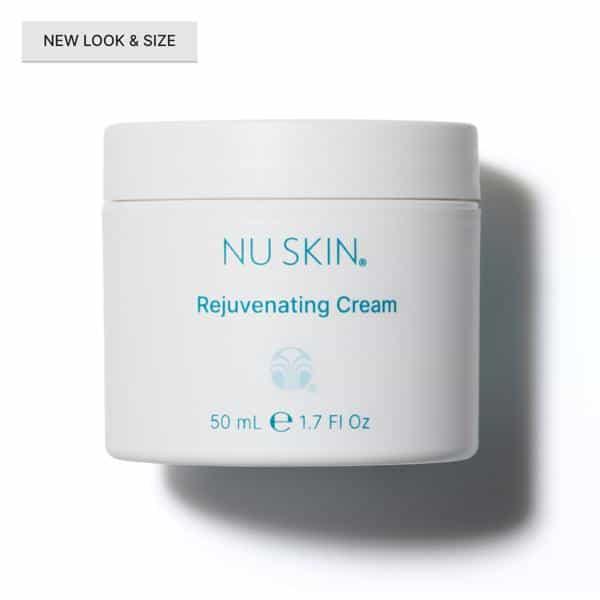
Nu Skin Rejuvenating Cream is the brand's foundational moisturiser — a medium-weight cream built around sodium PCA (NaPCA) and allantoin, designed to work on both face and body without the heavy, occlusive feel of a body butter or the lightweight finish of a gel. It is positioned as an everyday hydrator rather than a multi-active treatment cream: no retinol, no acids, no fragrance-heavy "experience" — just consistent, NMF-aligned hydration that has kept the product in the Nu Skin range for years. AU$37.90 per jar, ships from the official Nu Skin warehouse in Australia, no membership required.
What's Inside
Sodium PCA (NaPCA). The same humectant that occurs naturally in human skin as a major component of the Natural Moisturising Factor — roughly 12% of the NMF in healthy stratum corneum. NaPCA holds water on the skin's surface and integrates with the skin's existing moisture system rather than coating it. In a cream context, this means hydration that feels like internal moisture rather than a layer sitting on top — the difference between "my skin is hydrated" and "my skin has product on it."
Allantoin. A skin-conditioning agent with decades of clinical use behind it. Allantoin supports a smoother surface texture and gently soothes everyday irritation from wind, sun, or shaving. It pairs well with NaPCA: the humectant adds moisture, the conditioning agent helps the skin retain it.
Emollient base. The cream's emollient layer fills the small gaps between corneocytes (the surface skin cells) and reduces transepidermal water loss — the slow leak of moisture out of the skin that drives the late-afternoon "tight" feeling. This barrier-repair function matters most in dry inland climates and during winter, when home heating drops indoor humidity below 30%. The texture lands between a lotion and a body butter: rich enough to hold moisture overnight, light enough to absorb in 2–3 minutes without leaving a shiny film.
Why a NaPCA-Based Cream
Most pharmacy moisturisers rely on glycerin or petrolatum as the primary humectant or occlusive. Glycerin is effective but pulls water from the air; in low-humidity conditions it can actually pull water from deeper skin layers when the surrounding environment is drier than the dermis. Petrolatum is an excellent occlusive but sits inert on the surface — it seals existing moisture but does not draw new moisture in. NaPCA is different in that it is part of the skin's own moisture system. The hydration profile is closer to what young, well-hydrated skin produces naturally, which is why NaPCA-based creams often "feel" different from the standard pharmacy alternatives even when the texture and price look similar on the shelf.
How to Use It
Apply morning and evening to clean face, neck, and any drier areas of the body. On the face in the morning, allow 60–90 seconds for absorption before layering SPF (essential under Australian UV). In the evening, the cream sits well over a serum if you use one, or as the final step on its own. On the body, apply after bathing while skin is still slightly damp — humectants work better with moisture present. The medium-weight texture is comfortable under clothing within a few minutes, which is why many households end up using the same jar for face, neck, hands, elbows, and shins.
Who It's For
- ✅ Best suited: Australians with normal-to-dry facial or body skin, those in inland regional areas where hard water and low humidity strip moisture, and households that want one moisturiser that handles face and body across multiple ages and skin types. Particularly useful in winter when home heating exacerbates dryness.
- ⚠️ Less suited: Oily or combination skin types may find the cream too rich for the T-zone — see Enhancer Skin Conditioning Gel for an oil-free alternative. Severely barrier-compromised skin (acute eczema flares, broken skin, post-procedure recovery) typically needs a ceramide-led therapeutic cream rather than a general daily moisturiser, and any active dermatological condition should be reviewed by a GP or dermatologist first.
- 💡 Pairs well with: NaPCA Moisture Mist as a mid-day hydration top-up, daily broad-spectrum SPF on the face and exposed body, and Enhancer Skin Conditioning Gel as a layering base for combination skin (gel under cream on dry zones, gel alone on oily zones).
How It Compares
| Approach | Mechanism | Trade-off |
|---|---|---|
| Rejuvenating Cream (this) | NaPCA humectant + allantoin in medium-weight emollient base | Too rich for oily T-zones; not therapeutic-grade for damaged barrier |
| Glycerin-based pharmacy moisturiser | Glycerin humectant in standard cream base | Effective in humid conditions; can dehydrate in low-humidity climates |
| Petrolatum body cream | Heavy occlusive — slows water loss | Excellent for dry winter skin; sticky finish, no humectant component |
| Ceramide barrier-repair cream | Ceramides + cholesterol + fatty acids replicating barrier lipids | Best for compromised barrier; usually higher price; less versatile face-and-body use |
| Active anti-ageing cream (retinol or peptides) | Active ingredients with cellular targets | Targeted; can irritate, requires consistent SPF, not ideal as a household everyday cream |
Australian Context
Two patterns make a NaPCA-based daily cream particularly relevant in Australia. First, regional and rural areas (inland Queensland, South Australia, Western Australia) combine hard water with low humidity year-round, which strips the skin's NMF faster than the body can replenish it — a NaPCA-based cream tops up the same molecule the skin is losing, rather than simply sealing the surface. Second, southern winters in Melbourne, Hobart, Adelaide, and Canberra rely heavily on reverse-cycle heating, which drops indoor humidity well below outdoor levels and produces the dry, tight skin pattern that often surprises people in their first cold-climate winter. The cream's medium-weight emollient layer addresses both situations without becoming uncomfortable in summer humidity further north.
Frequently Asked Questions
Can I buy Nu Skin Rejuvenating Cream in Australia without signing up?
Yes. NuBest Skin sells the cream directly at AU$37.90 — no Nu Skin membership, no auto-ship, no registration. Orders ship from the official Nu Skin warehouse in Australia, with metro deliveries typically arriving in 3–5 business days.
Can I use it on my face if I have oily skin?
For most oily or combination skin types, the cream is too rich for the T-zone (forehead, nose, chin) and tends to feel heavy by midday. The Enhancer Skin Conditioning Gel is the better default for oily skin. If your skin is dry on the cheeks but oily through the centre, you can use the Rejuvenating Cream on the cheeks and the gel on the T-zone — many people end up running both for exactly this reason.
Is it suitable for sensitive skin?
The formulation includes allantoin specifically for soothing and avoids common irritants. Many users with sensitive or eczema-prone skin use it as a daily maintenance moisturiser between dermatological treatments — but it is not a treatment for eczema or any dermatological condition, and any active flare-up should be reviewed by a GP or dermatologist.
How does it compare with a pharmacy "Sorbolene" cream?
Sorbolene is typically glycerin-based with a paraffin oil component — effective and affordable, but the hydration profile differs from a NaPCA-based cream. NaPCA integrates with the skin's existing moisture system rather than acting purely as an external humectant. In low-humidity climates the NaPCA approach often feels less "drawing" than glycerin-heavy alternatives.
Is it safe during pregnancy?
The formulation is topical and uses cosmetic-grade ingredients without retinoids, salicylic acid, or hydroquinone. Most moisturisers of this type are considered low-concern in pregnancy, but if you have any specific skin or pregnancy condition, check with your GP, midwife, or pharmacist before adopting any new product over large body surface areas.
Sources & References
- Rawlings AV, Harding CR. Moisturization and skin barrier function. Dermatologic Therapy. 2004;17(s1):43–48.
- Lodén M. Role of topical emollients and moisturizers in the treatment of dry skin barrier disorders. American Journal of Clinical Dermatology. 2003;4(11):771–788.
- Becker LC, Bergfeld WF, Belsito DV, et al. Final report of the safety assessment of allantoin and its related complexes. International Journal of Toxicology. 2010;29(S2):84S–97S.
- Therapeutic Goods Administration (TGA). Listed cosmetic ingredient guidance. https://www.tga.gov.au/
Important Information
For external use only. Avoid contact with eyes; if contact occurs, rinse thoroughly with water. Discontinue use if irritation occurs. Patch-test on a small area before first use if you have sensitive skin or known allergies. Store below 30 °C, away from direct sunlight.
This information is provided for educational purposes only and does not constitute medical advice. Individual results may vary.
NuBest Skin is an Independent Nu Skin Brand Affiliate. This website is independently operated and is not produced, endorsed, or approved by Nu Skin Enterprises, Inc.
Product information reviewed by the NuBest Skin Editorial Team. Last updated May 2026.
Why Buy from NuBest Skin?
No registration needed — shop and purchase directly, no account setup required.
Shipped from official Nu Skin warehouse — 100% authentic, factory-sealed products with full warranty.
Competitive pricing — we offer great value on authentic Nu Skin products.
Nu Skin product purchasing channels for Australia -- relationship, invoice, warranty, warehouse fulfilment, and marketplace-risk guidance.