Authorised Independent Nu Skin Distributor
Pillow Glow Sleeping Mask (AU)
Product Description
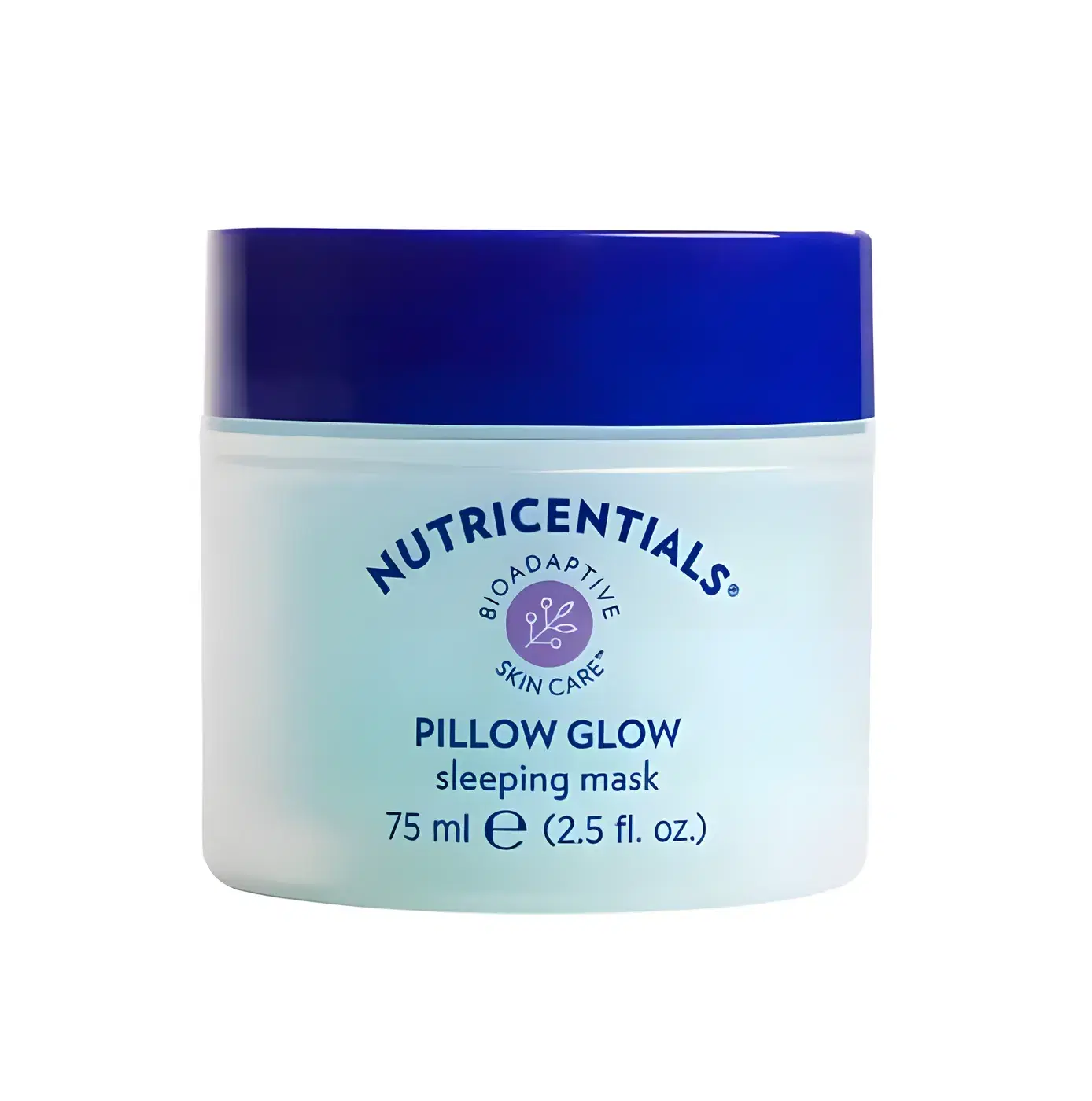
Pillow Glow Sleeping Mask (AU$40) is the overnight leave-on mask in the Nutricentials line — a gel-cream hybrid applied as the final evening step that works through a 7–8 hour sleep cycle to deliver sustained hydration and skin-refining actives. It is the leave-on counterpart to Spa Day Creamy Hydrating Masque, the rinse-off treatment mask in the same line. The two products solve different problems and live in different routine slots — see the comparison below before choosing. In Nu Skin's clinical evaluation, participants showed a 29% improvement in skin hydration measured eight hours after application. Ships from the official Nu Skin Australia warehouse with no membership required.
How Pillow Glow Differs From Spa Day Masque
Both products are masks but they sit in different routine slots and work through different mechanisms:
- Pillow Glow Sleeping Mask (this product) — overnight leave-on, nightly to alternate-nightly use. Applied as the final evening step and left on through the sleep cycle. Forms a breathable transfer-resistant occlusive film that delivers hydration over an extended 7–8 hour window. Washed off the next morning with a normal cleanser.
- Spa Day Creamy Hydrating Masque — rinse-off treatment, weekly use. Applied for a contained 10–15 minute window then rinsed off. A higher-concentration spike treatment used as an addition to the routine, not as a routine staple.
The two are complementary, not interchangeable. Pillow Glow is the everyday hydration support that runs on most evenings; Spa Day Masque is the weekly intensification.
What Pillow Glow Targets
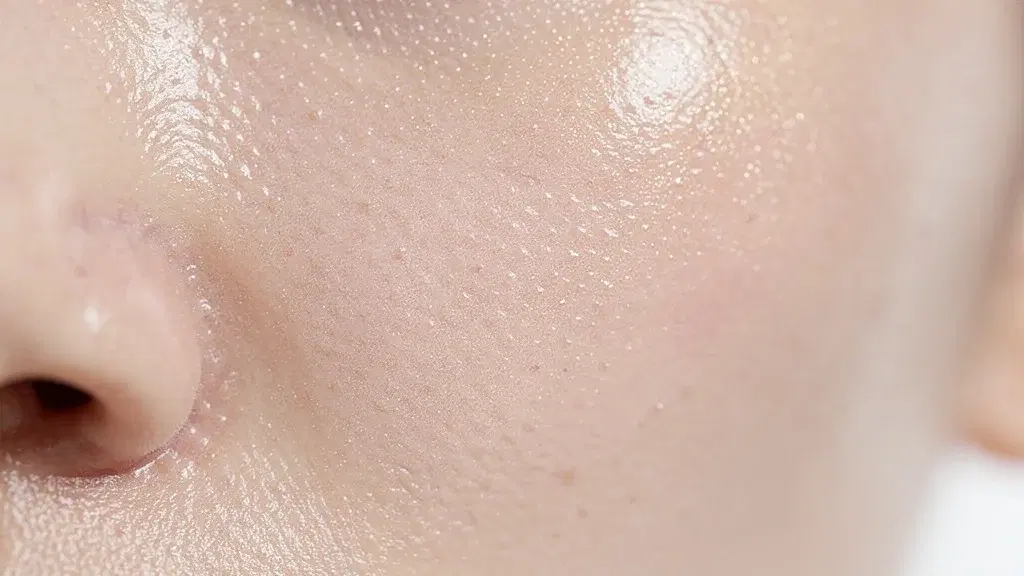
Australian indoor air is the underlying problem this mask is built for. Homes in Melbourne, Canberra, Hobart and Adelaide rely on central heating through winter, which drops indoor humidity to 20–30% — well below the 40–60% range that supports comfortable barrier function. Air conditioning across cities does the same thing year-round in offices and bedrooms. The result is overnight transepidermal water loss running at a higher rate than the skin barrier can replenish, which is why skin often feels tighter on waking than it did before bed.
Pillow Glow's gel-cream hybrid texture creates a breathable occlusive film that prevents that overnight TEWL. The formula stays on the skin rather than evaporating into pillow and bedroom air, and the occluded environment lets the actives below — multi-weight hyaluronic acid, niacinamide, squalane, panthenol, adenosine — work without drying out. Visible improvements in radiance were reported by 82% of users in Nu Skin's evaluation after two weeks of nightly use.
Why Occluded Overnight Treatment Works
Skin's repair processes are most active during sleep — cell turnover, lipid synthesis and barrier reconstruction all peak during the overnight cycle. An occluded leave-on treatment provides those processes with a hydrated, controlled environment for the full duration. Unlike rinse-off masks that deliver a high spike of actives in 10–20 minutes, sleeping masks deliver a sustained moderate dose over 7–8 hours. Both approaches are useful — they target different physiology, which is why most users benefit from both Pillow Glow (sustained nightly) and Spa Day (weekly spike) rather than choosing between them.
Key Actives
Multi-weight hyaluronic acid. Higher-weight HA forms a moisture-retaining film at the skin surface; lower-weight fragments penetrate into the upper epidermis for cellular-level water binding. The dual approach delivers both surface plumping and sustained deeper hydration.
Niacinamide (vitamin B3). Functional concentration consistent with the 2–5% range identified in published cosmetic-science work as effective for the appearance of refined pores, even tone and barrier reinforcement. Bissett (Journal of Cosmetic Dermatology, 2004) is the foundational reference.
Squalane. Lightweight skin-identical lipid. Provides emollient support without clogging pores, suitable for the occluded overnight environment without the heaviness of petrolatum-based alternatives.
Adenosine. Targets the appearance of fine lines, particularly during the skin's overnight repair window.
Panthenol (provitamin B5). Supports the appearance of barrier recovery from daytime stressors. Works alongside niacinamide on barrier reinforcement.
How to Use
Apply as the final step of your evening routine — after cleansing, toning, serums and your usual moisturiser. Use a thin, even layer across the full face (the formula is gentle enough for the under-eye area). Allow 10 minutes to set before lying down on a pillow; after the setting period the formula is transfer-resistant and will not stain pillowcases.
In the morning, remove with your usual gentle cleanser or warm water. The skin underneath should feel softer and more hydrated.
Cadence: nightly is gentle enough for most skin types. For users alternating with retinol, apply retinol first to dry skin, wait ten minutes for absorption, then layer Pillow Glow over the top. The occlusive film can enhance retinol penetration — start with a lower retinol concentration if combining for the first time.
Australian Climate Context
Pillow Glow is most useful in low-humidity Australian conditions: southern winter heating, year-round air conditioning, and dry inland climates (Canberra, inland NSW/QLD/WA) where ambient humidity sits below 40%. In summer, the application logic shifts to recovery — after days of UV exposure, chlorine pool swimming or salt water at the beach, the overnight mask provides an extended repair window. The lightweight gel texture is more comfortable than heavy night creams when overnight temperatures stay above 25 °C, which makes it more practical than traditional sleeping masks in tropical Brisbane, Cairns and Darwin.
Who It's For
✅ Best suited for: Anyone in low-humidity overnight conditions — southern Australian winters, year-round air conditioning, dry inland climates. Skin that feels tighter on waking than at bedtime. Office and screen-heavy lifestyles where daytime TEWL accumulates and overnight repair needs support. Compatible with retinol routines (with caveats above) and with most skin types including oily.
⚠️ Less suited for: Skin that genuinely does not tolerate occlusive formats overnight (rare). Active inflammatory acne flares — although the gel-cream is non-comedogenic, occlusion during active flares can prolong individual breakouts. Pregnant or breastfeeding users introducing peptide- or adenosine-containing products should consult their healthcare professional.
💡 Pairs well with: A Nutricentials moisturiser underneath, the weekly Spa Day Creamy Hydrating Masque as the rinse-off counterpart, and broad-spectrum SPF 50+ in the morning after rinse-off.
Frequently Asked Questions
Can I use it every night?
Yes — the formula is gentle enough for nightly use. Some users alternate every other night with a standard night cream or retinol treatment. For retinol pairing, apply retinol first to dry skin, wait ten minutes, then layer Pillow Glow over the top.
Will it stain my pillowcase?
No. After ten minutes of setting time the formula becomes transfer-resistant. If you sleep face-down, wait the full ten minutes before lying down. The formula is colourless and dye-free.
Is it suitable for oily skin?
Yes. The gel-cream texture is lighter than traditional sleeping masks and the formula is non-comedogenic. Dehydrated oily skin actually produces more oil to compensate, so the water-based overnight hydration tends to support oil-balance rather than worsen it. For very oily skin, use a thinner layer.
Can I use this as a daytime moisturiser?
No — the occlusive film is formulated for overnight use and can interfere with SPF and makeup application during the day. Use a Nutricentials daytime moisturiser (Day Dream, Thirst Fix, Dew All Day) during the day and reserve Pillow Glow for evening use.
How long does the jar last?
At nightly use, the jar typically lasts 8–10 weeks depending on application volume. Alternate-night use brings that to 16–20 weeks.
Do I need both Pillow Glow and Spa Day Masque?
Many users do — Pillow Glow runs nightly as the sustained hydration support, and Spa Day Masque comes in weekly as the rinse-off intensification. They are complementary rather than redundant. If you can only have one, choose Pillow Glow for the everyday role and Spa Day if you specifically want a weekly spike treatment.
Important Information
Individual results may vary. This product is for cosmetic use only and is not intended to diagnose, treat, cure or prevent any disease or skin condition. Discontinue use and consult a healthcare professional if irritation occurs. Patch test recommended before first use.
Clinical results referenced are from studies conducted or commissioned by Nu Skin Enterprises, Inc., or from independent peer-reviewed literature where cited, and may not reflect typical consumer experience.
NuBest Skin is an Independent Nu Skin Brand Affiliate. This website is independently operated and is not produced, endorsed, or approved by Nu Skin Enterprises, Inc.
Sources & References
- Bissett, D.L. et al. — "Niacinamide: A B Vitamin that Improves Aging Facial Skin Appearance," Journal of Cosmetic Dermatology (2004).
- Bureau of Meteorology — Climate Data — Seasonal humidity context for Australian regions.
- Therapeutic Goods Administration — Cosmetics — Australian classification of cosmetic versus therapeutic claims.
Reviewed by the NuBest Skin Editorial Team. Last updated May 2026.
Why Buy from NuBest Skin?
No registration needed — shop and purchase directly, no account setup required.
Shipped from official Nu Skin warehouse — 100% authentic, factory-sealed products with full warranty.
Competitive pricing — we offer great value on authentic Nu Skin products.
Nu Skin product purchasing channels for Australia -- relationship, invoice, warranty, warehouse fulfilment, and marketplace-risk guidance.