
How Retinol Works on Skin: The Cell Renewal Science
Published 5 June 2026 · Updated 19 July 2026
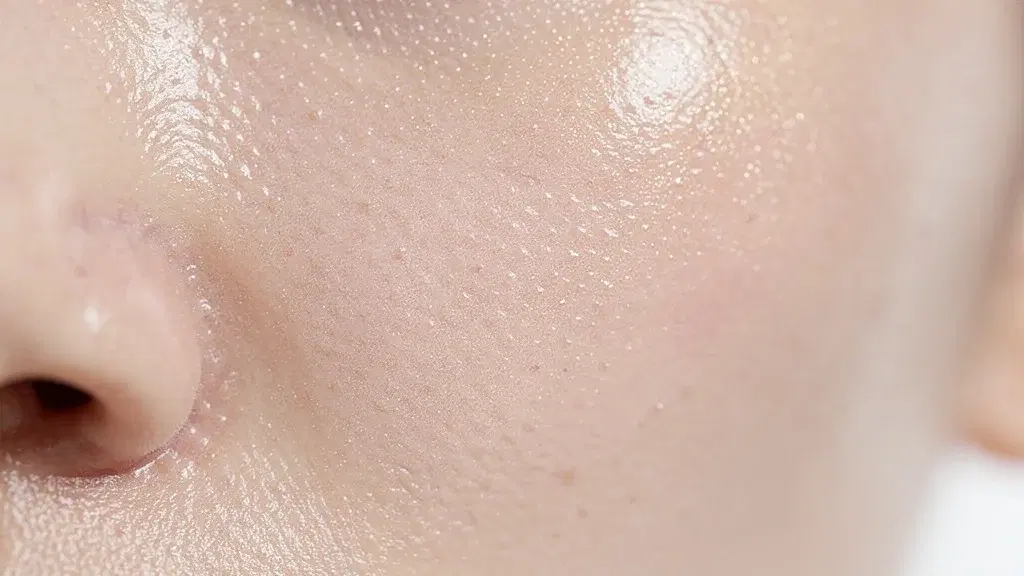
Retinol works by slipping into your skin cells and converting to all‑trans retinoic acid—the active form of vitamin A that binds to nuclear receptors inside the cell. Once activated, those receptors switch on genes that control epidermal turnover and collagen production. In plain English, retinol tells your skin to shed dead surface cells faster and build fresh, plump cells from within. Instead of just scrubbing away flakes, it tackles ageing at the source. In Australia’s high‑UV climate, where sun damage can pile up from childhood cricket games to beach Boxing Days, understanding this cellular conversation is half the battle. Whether you pick a budget‑friendly chemist retinol or a more sophisticated peptide‑retinol complex, the biology is the same: accelerate renewal, smooth texture, and help your skin look more even. And because retinol temporarily weakens your skin’s protective barrier, it demands a sunscreen habit that even the most sun‑smart Aussie can respect.
What Exactly Is Retinol and How Is It Different from Retinoids?
Retinol is one member of a big family called retinoids—all derivatives of vitamin A. The family tree stretches from gentle retinyl esters (found in many moisturisers) to hard‑hitting prescription tretinoin (pure retinoic acid). Over‑the‑counter retinol sits right in the middle. The main difference is how much work your skin has to do to turn it into the active ingredient it needs. Retinyl palmitate converts first to retinol, then retinaldehyde, then all‑trans retinoic acid. Straight retinol skips the first step, so it’s more potent than an ester but still gentler than prescription retinoids because your skin controls the conversion. In Australia, the TGA classifies retinol as a cosmetic ingredient, meaning you can pick it up at Priceline without a script—unlike tretinoin, which is a scheduled prescription medicine.
Why Does Retinol Need to Convert to Retinoic Acid?
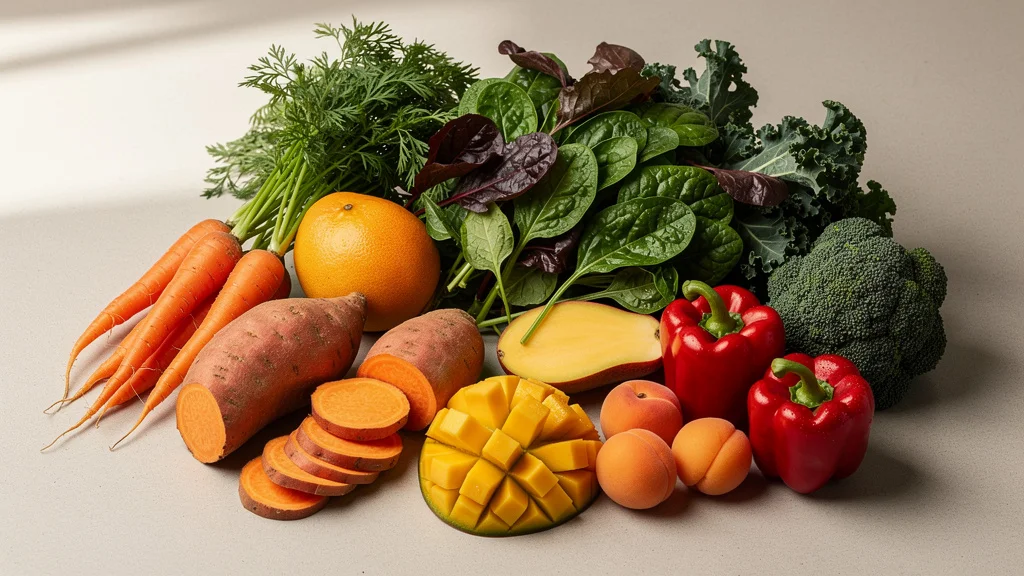
Your skin cells can’t use retinol as‑is. They only have docking stations (retinoic acid receptors) that recognise the retinoic acid shape. So retinol has to undergo a two‑step enzymic shuffle: first to retinaldehyde, then to retinoic acid. This built‑in speed bump is actually a good thing. It means retinol acts like a time‑release system, delivering a steady trickle of active retinoid rather than a sudden flood. That’s why retinol causes less peeling and redness than straight tretinoin, making it the go‑to choice if you’re new to the game or tackling fine lines on your morning commute across Sydney’s sun‑blasted Harbour Bridge.
How Does Retinoic Acid Trigger Cell Renewal?
Once retinoic acid forms, it slides into the nucleus and latches onto retinoic acid receptors (RAR) and retinoid X receptors (RXR). These receptor pairs locate specific sections of DNA and ramp up the production of proteins that speed up epidermal turnover and dermal repair. In the epidermis, this means basal skin cells divide and migrate upwards faster, pushing older, pigmented cells off the surface. Deeper in the dermis, they jump‑start fibroblasts to synthesise fresh collagen and elastin, the scaffolding that keeps skin springy. It also regulates melanocyte activity, so pigment gets distributed more evenly instead of clumping into sun spots. That’s why retinol leaves you with a brighter, smoother complexion—not just exfoliated, but fundamentally restructured.
Can Retinol Really Help Reverse Sun Damage and Pigmentation?

Yes, but it’s more accurate to say it helps your skin correct and rebuild, not “reverse” in the medical sense. Years of exposure to Australian UV rays—remember the slip‑slop‑slap generation?—trigger melanocytes to overproduce pigment and break down collagen. Retinol’s cell‑turnover boost encourages the shedding of surface pigment, while its collagen‑stimulating effect firms the upper dermis, softening the look of fine lines.
Many Aussies also use oral vitamin A supplements from Swisse, Blackmores, or Bioceuticals, but these work systemically; they don’t directly tap into your skin’s retinoid receptors the way a topical does. Topical retinol puts active vitamin A right where it matters, but you have to treat it like a sun‑smart ally, not a free pass to bake.
Why Sunscreen Is Non‑Negotiable in Australia
Even one evening application of retinol makes your epidermis thinner and more permeable for a few days, leaving it vulnerable to UV damage. Because Australia sits under a gap in the ozone layer, the UV index here frequently hits 11 or higher in summer. Using a broad‑spectrum SPF 30+ or higher every morning—and reapplying it when you’re outdoors—isn’t just a suggestion; it stops retinol from backfiring. A lightweight fluid like ageLOC Tru Face Essence Ultra UV Protection feels breathable even when the humidity climbs over 90 per cent.
What’s the Deal with Peptides and Retinol Together?
Stick retinol and peptides in the same formula and you get a two‑pronged skin conversation. Retinol handles the cell‑turnover and pigment‑evening side, while peptides—small chains of amino acids—send signals that prompt your skin to produce more collagen and repair barrier function. Because retinol can sometimes be irritating, the right peptide blend can help calm that irritation and reinforce the skin’s framework, making the retinol feel more comfortable. ageLOC Tru Face Peptide Retinol Complex leans into this synergy by pairing a next‑generation retinol ester with skin‑firming peptides, supporting renewal without the classic peeling frenzy.
How Should You Use Retinol in Humid Australian Summers?
Start slow, even if you already handle salicylic acid like a pro. Use a pea‑sized amount on clean, dry skin twice a week at night. In a humid subtropical summer, like Brisbane’s, your skin barrier is already working overtime against sweat and heat, so building a tolerance over four to six weeks prevents that angry red stinging sensation. Always follow with a moisturiser that contains ceramides or niacinamide to support your barrier.
If your skin starts to feel tender, take a two‑night break and then reintroduce every third evening. And keep your morning routine gentle: a splash of water, antioxidant serum (vitamin C in the AM is fine because you used retinol at night), and plenty of sunscreen.
How to Moisturise and Soothe
Pairing retinol with a rich but fast‑absorbing cream can dial down irritation. Look for ingredients like squalane, shea butter, or peptides. After your retinol has absorbed for 10 minutes, smooth on a generous layer of a skin‑strengthening moisturiser such as ageLOC Tru Face Skin Perfecting Cream to lock in hydration while you sleep.
Are There Gentler Alternatives That Still Work?
Science hasn’t stood still. Hydroxypinacolone retinoate (HPR) is a newer retinoid ester that binds directly to retinoic acid receptors without any conversion steps inside the skin. That means it delivers retinoid activity more like tretinoin but with a significantly lower irritation profile. It’s a solid middle ground for women and men who find traditional retinol too harsh in air‑conditioned offices and sticky summer commutes. Still, the tried‑and‑true retinol conversion pathway has decades of real‑world evidence behind it, and many formulations now pair it with soothing buffers to make daily tolerance achievable.
What About Retinol for Aussie Blokes?
Male skin tends to be about 25 per cent thicker and oilier than female skin, which sounds like a retinol advantage at first. But shaving regularly micro‑exfoliates the surface, so adding retinol straight after a shave can sting like a week‑old sunburn. Guys should apply retinol on non‑shaving nights and use a simple moisturiser afterwards. The same sun‑protection rules apply, and no, a beard doesn’t block UV—stick to a clear zinc sunscreen for the jawline.
Does Diet Boost Retinol's Effects?
You can’t eat enough carrots to replace a topical retinol, but a diet rich in beta‑carotene, zinc, and vitamin C supports healthy skin turnover overall. Oysters, sweet potato, and colourful capsicums give your skin the nutrients it needs to help retinol do its job. Just don’t swap your night serum for a vitamin supplement; they work on different levels.
Frequently Asked Questions
How often should I use retinol when first starting out?
Start by applying retinol just once or twice a week, allowing your skin time to build tolerance. Once any initial dryness or flaking settles, you can slowly increase to every other night. Rushing into daily use too quickly often leads to unnecessary irritation, so a patient approach gives your barrier the chance to adapt.
Does retinol make my skin more sensitive to the sun?
Yes, retinol temporarily thins the outer layer of your skin as cell turnover speeds up, which can make you more prone to UV damage. That’s why daily broad-spectrum sunscreen becomes non-negotiable—even on overcast days or during your commute. This effect is temporary and resolves once you stop using retinol, but consistent sun protection is essential while you’re using it.
When will I start seeing visible results from retinol?
You may notice smoother skin texture within a few weeks, but significant improvements in fine lines, pigmentation, and firmness typically take around 12 weeks of consistent use. Retinol works by gradually rebuilding collagen and normalising pigment production, so the best results come with patience and regular application. Avoid the temptation to increase frequency too soon just to speed things up.
Can I combine retinol with other active ingredients like AHAs or vitamin C?
It’s possible, but doing so in the same routine can overload your skin and lead to redness or peeling. Many people prefer to use retinol at night and a vitamin C serum in the morning to minimise conflict, while alternating nights with AHAs or BHAs. If your skin is well-acclimated, you can carefully introduce them on separate evenings, but always listen to your skin and dial back if irritation flares.
Is it normal to experience peeling and irritation when starting retinol?
Mild flaking, dryness, or a slight tingling sensation is a common part of the early adjustment phase—often called “retinisation”—as your skin accelerates cell turnover. This usually settles within a few weeks if you keep your routine gentle, back off frequency when needed, and moisturise generously. If intense burning or persistent redness occurs, it’s a sign to pause use and reconnect with a protective, fragrance-free barrier routine.
NuBest Skin is an Independent Nu Skin Brand Affiliate -- not produced or endorsed by Nu Skin Enterprises Inc.