Authorised Independent Nu Skin Distributor
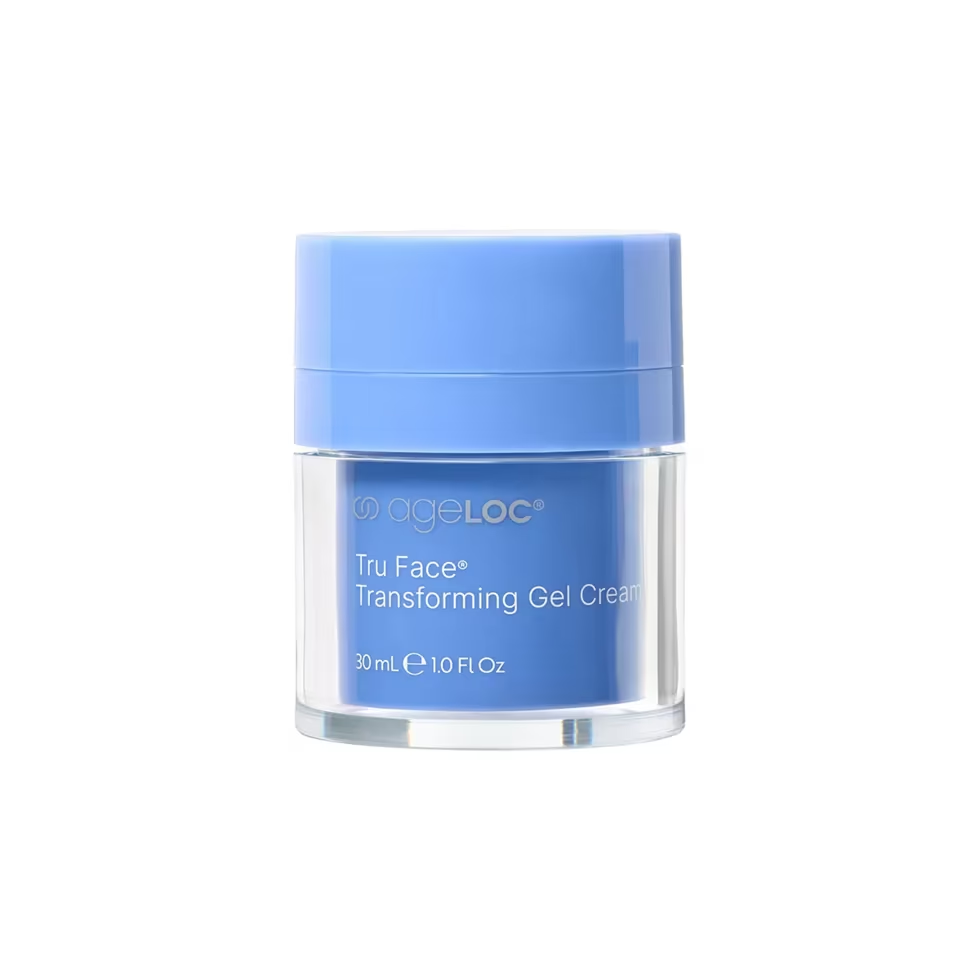
ageLOC® Tru Face® Transforming Gel Cream (AU)
Select Option:
Product Description
ageLOC® Tru Face® Transforming Gel Cream (from AU$79) is the lightweight moisturiser option in the Tru Face range — a gel-cream texture built around the ageLOC blend, hyaluronic acid and a peptide complex. It is the climate-appropriate alternative to Tru Face Uplifting Rich Cream for anyone who finds richer textures uncomfortable in Australia's warm, humid coastal conditions. The most accessible entry-point moisturiser in the range. Ships from the official Nu Skin Australia warehouse with no membership required.
Where Gel Cream Fits in the Tru Face Range
The Tru Face moisturiser slot is split three ways and Gel Cream is the lightweight option:
- Transforming Gel Cream (this product) — lightweight / humid climates / oilier skin. Oil-free gel-cream texture, absorbs in under 30 seconds, matte-to-dewy finish. Same ageLOC platform as the heavier options at a lighter weight.
- Tru Face Radiant Day — morning slot with daytime actives. Lightweight base, but includes UV-defence components and niacinamide tuned for daytime use.
- Tru Face Uplifting Rich Cream — evening / dry-skin / winter slot. Richer, more occlusive texture for dry or mature skin, and for winters in southern Australian states.
The choice is climate and skin condition, not product hierarchy. Gel Cream is the right pick for normal-to-oily skin year-round in warm coastal cities (Sydney, Brisbane, Cairns, Perth), and for almost everyone during summer. Switching to Rich Cream in winter or as skin gets drier with age is sensible.
Why Gel-Cream Texture Matters in Australian Conditions
A lot of anti-ageing creams sold in Australia are formulated for temperate or dry European climates. In humid Australian coastal conditions — where humidity regularly sits above 60% for most of the year — heavier occlusive creams trap sweat and sebum, which can leave skin feeling smothered by midday and contribute to the appearance of congestion or breakouts in those prone to it. The gel-cream format addresses this by delivering hydration through water-binding humectants rather than oil-based occlusion.
The hydration is genuine despite the lightweight feel. A 2018 review in Molecules evaluated hyaluronic acid-based moisturisers and reported comparable 24-hour hydration profiles to oil-based creams, without the comedogenic risk for acne-prone skin. The texture is what differs from heavier creams; the long-tail hydration outcome is broadly equivalent for normal-to-oily complexions.
Key Actives
ageLOC blend. The proprietary Nu Skin complex targeting youth gene cluster expression patterns. The same platform used in Essence Ultra, Future Serum, Radiant Day and Uplifting Rich Cream — which is what makes Gel Cream coherent with the rest of the Tru Face range rather than a standalone product.
Hyaluronic acid. Binds many times its weight in water, providing deep hydration without oiliness. The molecular weight profile is selected for both surface plumping and deeper layer hydration.
Peptide complex. Supports the appearance of firmness and resilience over time. Cumulative effect across consistent use rather than instant.
Lightweight gel-cream base. Oil-free, non-comedogenic. Absorbs in 20–30 seconds and sits cleanly under SPF and makeup without pilling.
How to Use
Apply after cleansing, toning and serums (Essence Ultra or Future Serum if using). One to two pumps, smoothed over face and neck. In a Tru Face routine, Gel Cream is the final skincare step before SPF in the morning, and the final step in the evening.
It works as both a morning and evening moisturiser. For very dry skin or in dry winter conditions, layering Gel Cream with a heavier cream at night — or switching to Uplifting Rich Cream for the season — is sensible. Allow 60 seconds of absorption before applying SPF or makeup to avoid pilling.
Who It's For
✅ Best suited for: Normal-to-oily and combination skin year-round, especially in humid Australian coastal cities. Anyone who has avoided anti-ageing moisturisers because they felt greasy or caused breakouts. Younger users (25–40) wanting anti-ageing prevention without a heavy cream texture. Travellers who want a single moisturiser that works across most climates.
⚠️ Less suited for: Very dry or mature skin in winter conditions — Uplifting Rich Cream provides more comfortable occlusion in that case. Skin barriers that are actively compromised (post-procedure, sunburn, eczema flare); use a richer, more reparative product during recovery.
💡 Pairs well with: Tru Face Refining Toner before serums, either Tru Face serum at the serum step, broad-spectrum SPF 50+ in the morning, and Uplifting Rich Cream at night during dry winter months if needed.
Frequently Asked Questions
Gel Cream or Rich Cream — which is right for me?
If your skin is normal-to-oily, you live in a humid coastal city, or you find heavier creams uncomfortable, choose Gel Cream. If your skin feels tight or flaky on lightweight moisturisers, particularly in winter, choose Rich Cream. Some users alternate seasonally — Gel Cream in summer, Rich Cream in winter — and that is a fine approach.
Will it provide enough hydration for daily use?
For normal-to-oily skin, yes. The hyaluronic acid system binds water to the upper skin layers and the gel-cream base provides barrier support without occlusion. For very dry skin, layering with a heavier serum or switching to Rich Cream in winter is the more comfortable approach.
Is it safe under sunscreen and makeup?
Yes. The fast-absorbing gel-cream texture is one of the cleanest moisturiser options in the range to layer under SPF and foundation. Allow 60 seconds for absorption before applying the next layer.
Can I use it morning and evening?
Yes. The texture is appropriate for both. For users wanting daytime-specific actives (UV defence, daytime vitamin C), Radiant Day is the better morning choice; Gel Cream then becomes the evening moisturiser.
How long does one tube last?
At once-daily use, the tube typically lasts 8–10 weeks. Twice-daily use brings that down to 4–5 weeks.
Is the formula non-comedogenic?
The base is oil-free and non-comedogenic. For acne-prone or congestion-prone skin in humid conditions, the gel-cream is generally a better moisturiser choice than richer alternatives. Patch test on the inner forearm for 48 hours before facial use if you have a history of reactivity to peptide-based products.
Important Information
Individual results may vary. This product is for cosmetic use only and is not intended to diagnose, treat, cure or prevent any disease or skin condition. Discontinue use and consult a healthcare professional if irritation occurs. Patch test recommended before first use.
Clinical results referenced are from studies conducted or commissioned by Nu Skin Enterprises, Inc., or from independent peer-reviewed literature where cited, and may not reflect typical consumer experience.
NuBest Skin is an Independent Nu Skin Brand Affiliate. This website is independently operated and is not produced, endorsed, or approved by Nu Skin Enterprises, Inc.
Sources & References
- Molecules (2018) — Review of hyaluronic acid-based moisturisers and hydration efficacy.
- Nu Skin ageLOC Science Overview — ageLOC platform and Tru Face range clinical data.
- Therapeutic Goods Administration — Cosmetics — Australian classification of cosmetic versus therapeutic claims.
Reviewed by the NuBest Skin Editorial Team. Last updated May 2026.
Why Buy from NuBest Skin?
No registration needed — shop and purchase directly, no account setup required.
Shipped from official Nu Skin warehouse — 100% authentic, factory-sealed products with full warranty.
Competitive pricing — we offer great value on authentic Nu Skin products.
Nu Skin product purchasing channels for Australia -- relationship, invoice, warranty, warehouse fulfilment, and marketplace-risk guidance.