
Beauty Focus Collagen+: Transform Your Skin with a Breakthrough Skincare Supplement
Published 20 June 2023 · Updated 12 July 2026
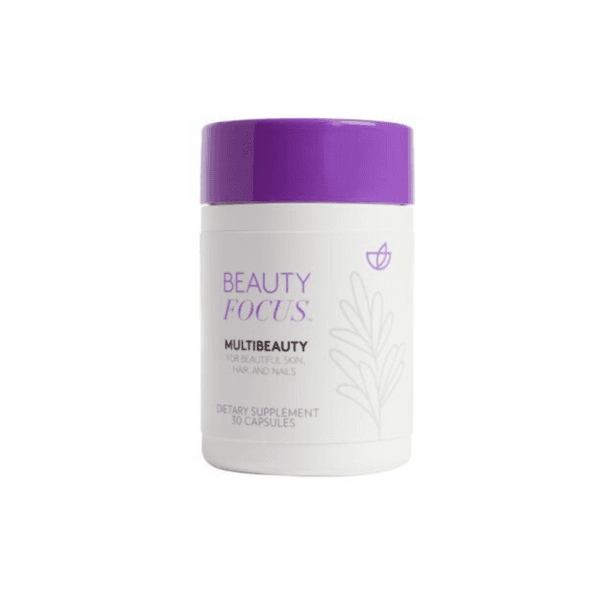
What South African Skin Is Up Against — And Why an Oral Supplement Changes Everything
Johannesburg sits at roughly 1 750 metres above sea level. At that altitude, the atmosphere filters significantly less ultraviolet radiation than it does at sea level, meaning that a person standing in Sandton receives meaningfully more UV exposure per minute than someone standing on the Sea Point promenade — even on what looks like an identical sunny afternoon. Add to that the Highveld's notoriously dry, low-humidity air, which accelerates transepidermal water loss throughout the year, and you have a skin environment that quietly dismantles collagen faster than most people realise. This is not a coastal problem or a winter problem — it is a year-round, every-day South African reality. Yet most people respond by layering on more moisturiser, more SPF, and collagen-labelled face creams, none of which can restore what is being lost at the dermal level. Beauty Focus Collagen+ takes a fundamentally different approach: it works orally, delivering clinically studied marine collagen peptides to the skin from the bloodstream inward, bypassing the barrier that stops every topical product at the surface.
Why an Oral Supplement Works Where Collagen Creams Cannot
The limitation of topical collagen products is not a marketing secret — it is straightforward biology. Collagen is a large-chain protein molecule. Its molecular weight, typically above 100 000 Daltons in its intact form, is far too large to cross the stratum corneum, the outermost layer of skin that functions as the body's primary physical barrier. When you apply a collagen cream, the collagen molecules remain on the skin surface and are eventually washed or worn away. They cannot reach the dermis, where fibroblasts — the cells responsible for producing new collagen — actually reside.
Oral hydrolysed collagen peptides work through an entirely different pathway. When you consume a sachet of Beauty Focus Collagen+, the peptides travel through the digestive system, where they are broken down into small di- and tri-peptide fragments — most notably Pro-Hyp (proline-hydroxyproline) and Hyp-Gly (hydroxyproline-glycine). These fragments are small enough to cross the intestinal wall intact and enter the bloodstream. Research has demonstrated that these specific peptide sequences accumulate preferentially in skin tissue, where they act as bioactive signals, stimulating dermal fibroblasts to upregulate their own collagen and hyaluronic acid production.
Nu Skin conducted a double-blind clinical study involving 51 participants over 12 weeks using Beauty Focus Collagen+. Results showed that 90% of participants demonstrated measurable improvement in skin firmness at the 12-week mark. Skin hydration improvement was detectable from as early as week four, with a 21% increase in skin hydration measured by corneometer. Wrinkle depth was reduced by 25% as assessed by silicone replica analysis. These are outcome measures taken at the dermal and epidermal level — not surface texture changes from a topical film.
What Is Inside Each Sachet — And Why Each Ingredient Matters
Beauty Focus Collagen+ is formulated as a ready-to-drink liquid sachet. Each sachet constitutes one daily serving, and each pack provides a 30-day supply. The formulation is built around a small number of ingredients, each chosen for a specific and complementary function.
Hydrolysed Marine Collagen Peptides — 2.5 g per sachet: The peptides are derived from fish (this product contains fish and is not suitable for those with fish allergies, nor for vegetarians or vegans). Critically, the molecular weight of these peptides falls within the 1 000 to 3 000 Dalton range — a specification that matters enormously for absorption. At this low molecular weight, intestinal uptake is substantially more efficient than with larger collagen fragments or intact gelatin-based collagens found in less refined supplements. The 2.5 g dose is consistent with the dose range used in published clinical research on marine collagen bioactivity.
Vitamin C — 35 mg per sachet: Vitamin C is not optional when it comes to collagen synthesis — it is biochemically essential. The hydroxylation of proline and lysine residues, the step that allows collagen chains to form their characteristic triple-helix structure, cannot occur without vitamin C acting as a cofactor for the enzymes prolyl hydroxylase and lysyl hydroxylase. Without adequate vitamin C, newly synthesised collagen is structurally unstable. Including it directly in the formulation ensures that the raw material (the collagen peptides) and the biochemical tool needed to incorporate them into new collagen fibres are delivered together.
Zinc — 4 mg per sachet: Zinc functions as a cofactor for several metalloproteinase enzymes involved in the remodelling and maintenance of the extracellular matrix. It supports the activity of fibroblasts and is involved in the regulation of collagen synthesis at the gene expression level. Zinc deficiency, even at subclinical levels, is associated with impaired wound healing and skin barrier function — both of which rely heavily on collagen integrity.
Lutein — 2 mg per sachet: Lutein is a carotenoid antioxidant found naturally in the diet, primarily in dark leafy greens and egg yolks. In the context of a collagen supplement, lutein's role is photoprotective. UV radiation generates reactive oxygen species in skin tissue, and oxidative stress is one of the primary mechanisms by which UV exposure degrades existing collagen and impairs new synthesis. Lutein accumulates in both the macula of the eye and in skin tissue, where it helps neutralise this photooxidative damage. For South Africans exposed to high UV levels year-round, the inclusion of lutein at 2 mg per serving is a meaningful addition to the formula — one that few pharmacy-shelf collagen products include.
Polysaccharides and Hyaluronic Acid Precursors: The formula also includes polysaccharide compounds that support the dermal hydration matrix. Hyaluronic acid is a glycosaminoglycan that binds water within the dermis at a remarkable ratio — a single gram can hold up to six litres of water. Supporting its presence and synthesis in the dermis directly contributes to the plumpness and resilience that depletes alongside collagen.
Three South African Scenarios Where This Supplement Is Particularly Relevant
Collagen decline is universal after the mid-twenties, accelerating at approximately 1% per year by age 40, and dramatically faster during and after menopause (with some studies indicating up to 30% collagen loss in the first five post-menopausal years). But the rate at which environmental factors compound that biological decline varies significantly depending on where and how you live.
- Johannesburg and the Highveld: Women living in Johannesburg, Pretoria, and surrounding Highveld areas face a compounding problem. The altitude amplifies UV exposure relative to coastal equivalents. The dry air, particularly in winter when indoor heating further reduces ambient humidity, drives consistent transepidermal water loss. Many Highveld women observe that their skin ages visibly faster than friends living in Cape Town or Durban — this observation has a real physiological basis. A daily oral supplement that addresses both collagen synthesis and photooxidative protection (via lutein and vitamin C) is directly aligned with what this environment demands.
- Cape Town and the coastal lifestyle: Cape Town's climate is comparatively more humid, particularly along the Atlantic Seaboard and False Bay coastline, but UV exposure remains significant and year-round. The strong south-easter wind is a persistent factor that many Capetonians underestimate — wind accelerates surface dehydration and causes mechanical stress on skin. Outdoor activity in Cape Town is a cultural norm across all seasons, meaning cumulative UV exposure adds up substantially over time, even on overcast days. Oral collagen support complements the lifestyle without requiring any change to how or where people spend their time.
- Pretoria in summer: Pretoria summers are intensely hot, and the Bushveld surrounding the capital creates dry conditions that persist even into the rainy season. The combination of extreme heat, strong UV, and physiological dehydration — even in people who drink adequate water — manifests as skin dullness, loss of elasticity, and accelerated fine line formation. Hyaluronic acid precursor support within the formulation addresses the hydration dimension of this problem at a level no amount of topical moisturiser can fully replicate from the outside.
How Beauty Focus Collagen+ Compares to Popular South African Alternatives
South African pharmacies and wellness retailers carry several collagen supplement products. The table below compares formulation characteristics only — specifically, the features that influence how a product functions at a biochemical level.
| Feature | Beauty Focus Collagen+ | Vital Collagen (Mass Market) | Solal Collagen (Practitioner-Grade) | Clicks Own-Brand Collagen |
|---|---|---|---|---|
| Collagen peptide molecular weight | 1 000–3 000 Da (low MW, high absorption) | Not specified on label | Hydrolysed, partial specification | Not specified on label |
| Collagen dose per serving | 2.5 g marine collagen peptides | Varies by SKU (typically 1–2 g) | Varies by formulation | Typically 1 g or less per serving |
| Lutein included | Yes — 2 mg (photoprotective antioxidant) | No | No (separate lutein product available) | No |
| Vitamin C included (collagen co-factor) | Yes — 35 mg per sachet | Some formulations include it | Some formulations include it | Not consistently included |
| Published clinical data for this product | Yes — Nu Skin 12-week double-blind study | No product-specific clinical data published | Ingredient-level data referenced | No product-specific clinical data |
| Format | Ready-to-drink liquid sachet | Powder or capsule | Capsule or powder | Tablet or powder |
| Collagen source | Marine (fish-derived) | Bovine or marine (varies by SKU) | Bovine or marine (varies) | Typically bovine hydrolysate |
The key formulation differences centre on molecular weight specification, co-factor inclusion (particularly lutein, which addresses the photooxidative environment relevant to South African UV exposure), and the availability of product-specific clinical data rather than generalised ingredient citations.
Frequently Asked Questions
Can I order Beauty Focus Collagen+ and have it delivered in South Africa?
Yes. Beauty Focus Collagen+ ships from the official Nu Skin South Africa warehouse. Delivery is available across South Africa, including Johannesburg, Cape Town, Durban, Pretoria, Gqeberha (Port Elizabeth), and Bloemfontein. Delivery times will vary by region and courier availability. No registration is required to purchase through NuBest Skin.
How long before I notice any difference in my skin?
Based on the Nu Skin clinical study, measurable improvement in skin hydration was detectable from week four of daily use. Firmness improvements were measurable at the 12-week mark for 90% of study participants. Individual results will vary depending on age, baseline collagen levels, UV exposure history, and lifestyle factors. Consistency is important — this is a daily supplement, and the benefits accumulate over time rather than appearing overnight.
Is this product regulated or approved for sale in South Africa?
South Africa's regulatory body for health products is SAHPRA — the South African Health Products Regulatory Authority. Dietary supplements and complementary medicines are subject to SAHPRA's framework for complementary medicines. As with all dietary supplements sold in South Africa,
NuBest Skin is an Independent Nu Skin Brand Affiliate. This website is independently operated and is not produced, endorsed, or approved by Nu Skin Enterprises, Inc.