
Revitalize Your Skin: Best Collagen Skincare Products to Try
Published 5 September 2025 · Updated 12 July 2026
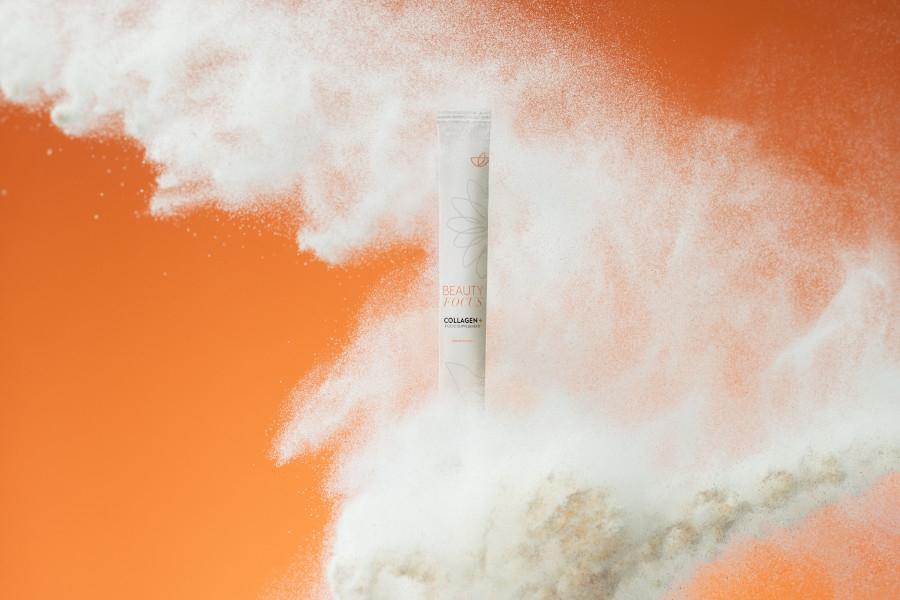
Collagen skincare products can be a helpful way to keep your complexion feeling plump and looking bright. Since collagen accounts for about 30% of your body’s protein , it’s no surprise that boosting or replenishing it is a goal for many people hoping to reduce fine lines and maintain smooth skin. Good news—most of these products are easier to add into your routine than you might think. Below, you’ll find tips on why collagen supports your skin, which product formats might suit you best, and how to pick a formula that meets your needs.
Discover collagen’s skin role
Collagen is the primary building block for your skin, muscles, bones, and other tissues. In simple terms, it’s what helps keep your skin firm and elastic (so you don’t see sagging or deep wrinkles). However, as you age, your body makes less collagen. Women can lose up to 30% of this protein in the first five years of menopause . After around age 60, levels drop even more for everyone.
Certain habits can also speed up collagen loss. Overexposure to sun, smoking, poor diet, and high alcohol use may further break down this protein . This is where a thoughtful skincare plan comes in: applying sun protection daily, getting antioxidants from fruits and veggies, and considering collagen-based creams or serums can all help slow the visible signs of ageing.
If you want a deeper look into how collagen can guard against wrinkles, you can explore the collagen anti-aging benefits shared by many researchers.
Explore these skincare formats
Collagen products come in various formats. Here are a few you’ll commonly see in shops and online stores:
- Creams and moisturizers
- Often include native collagen or collagen peptides to help lock in moisture.
- May pair collagen with humectants like hyaluronic acid to support hydration.
- Serums
- Typically more concentrated than creams, and often formulated with hydrolyzed collagen or peptides.
- Designed to work alongside established anti-ageing ingredients, such as vitamin C or retinol.
- Learn more about targeted collagen serums for anti-aging if you prefer a potent approach.
- Face masks
- May offer a more intense burst of hydration.
- Collagen-infused sheet masks can soften and temporarily plump skin.
- For a spa-like treat at home, see if collagen masks for anti-aging fit your routine.
- Powder or ingestible options
- These aren’t strictly topical but are still part of many skincare regimens.
- Some studies suggest that collagen peptides taken orally might improve skin elasticity and reduce wrinkle visibility , though more research is needed.
- If you want a balanced view on ingestibles, check out collagen supplements for anti-aging.
While topical collagen can’t penetrate very deeply due to its large molecules, many formulas include smaller peptide fragments (or complementary ingredients) that could support smoother, more hydrated skin. Even so, consistency and realistic expectations make all the difference.
Choose the right formula
Not every collagen product is created equal, so consider these steps to narrow your options:
- Check for synergy with proven actives
- Collagen works well when paired with ingredients like retinol and vitamin C. Retinol encourages cell turnover, and vitamin C helps your skin preserve its existing collagen.
- This pairing approach can provide a well-rounded defence against premature lines.
- Scan the ingredient list
- Look for simple formulations if you have sensitive skin.
- Some products also include herbal extracts or vitamins, so confirm they don’t conflict with any medication or allergy you have.
- Research brands and sourcing
- Go for reputable brands that use quality collagen—preferably tested for purity to reduce contamination risk .
- Vegan alternatives, like recombinant collagen, mimic many benefits of animal-sourced varieties without ethical concerns.
- Speak with a professional
- If you have skin conditions or are unsure about interactions, a dermatologist can recommend specific products.
- You might also explore procedures like injectable collagen if you need faster, more targeted results .
For extra support, you can check out our guide on collagen skin elasticity treatment. It highlights different approaches to firming your complexion with this important protein.
Recap and next step
- Collagen is key to keeping your skin strong and supple.
- Age, sun damage, and lifestyle factors naturally lower collagen levels over time.
- Collagen skincare products, from creams to supplements, can help enhance hydration and reduce fine lines when used consistently.
- Look for formulas that pair collagen with proven ingredients like vitamin C or retinol.
- Always wear sunscreen and maintain an antioxidant-rich diet for an extra boost.
Try adding a simple collagen-based cream or serum into your daily routine, then see how your skin responds over a few weeks. Keep in mind that every face is unique. If you ever feel unsure about ingredient lists or dosage, reach out to a professional for tailored advice. You deserve a glowing complexion—and the power of collagen might just be the friendly nudge your skin needs.
References
- (Cleveland Clinic)
- (Cedars-Sinai)
- (Healthline)
- (NCBI)
- (MedicineNet)
- (Mayo Clinic)
Product information sourced from official Nu Skin product documentation. Independent Nu Skin Brand Affiliate — not produced or endorsed by Nu Skin Enterprises Inc.
Frequently Asked Questions
When in my skincare routine should I apply a collagen serum?
Collagen serums are best applied after cleansing and toning but before heavier moisturisers. Start with the thinnest consistency products first, so a collagen or peptide serum goes on clean, damp skin, followed by your moisturiser to seal everything in. If you use a vitamin C serum as well, apply that first since it can help stimulate your own collagen production, then layer the collagen serum on top. Always finish your morning routine with SPF to protect the collagen already in your skin from UV degradation.
How long does it typically take to see results from collagen skincare products?
Most people need to use collagen skincare products consistently for at least four to twelve weeks before noticing visible changes such as improved hydration, reduced fine lines, or a firmer appearance. Skin cell turnover takes roughly four weeks, so results are gradual rather than immediate. Collagen creams and serums primarily work by delivering moisture and supporting the skin's surface barrier, while peptide-based formulas may take longer to show deeper structural benefits. Keeping a consistent daily routine and protecting skin from the sun will help you see and maintain results more quickly.
Can I use a collagen cream alongside retinol without causing irritation?
Yes, collagen creams and retinol can be used together, but timing and layering matter. Retinol is best applied at night on its own, and a collagen moisturiser can then be applied on top to buffer any potential dryness or irritation that retinol can cause. If you are new to retinol, start by using it two to three nights per week and apply your collagen cream every night as part of your routine. Avoid applying both actives at the same time to freshly cleansed, bare skin, as this can increase sensitivity. Always wear SPF the following morning, as retinol increases photosensitivity.
Are collagen skincare products suitable for sensitive or acne-prone skin?
Many collagen skincare products are suitable for sensitive or acne-prone skin, but the key is to check the full ingredient list rather than focusing on collagen alone. Look for non-comedogenic formulas that are free from heavy oils, artificial fragrances, and alcohol, as these can trigger breakouts or redness. Hydrolysed collagen and collagen peptides are generally well-tolerated and unlikely to clog pores because the molecules are broken down into smaller fragments. If your skin is reactive, introduce one new collagen product at a time and patch-test it on the inside of your wrist or behind the ear for 24 to 48 hours before applying to your face.
Do collagen skincare products work differently for people over 60 compared to younger users?
Yes, the way collagen products support skin can vary with age. For people over 60, natural collagen production has declined significantly, meaning topical products play a larger role in maintaining surface hydration and barrier function rather than replacing lost structural collagen deep in the dermis. Older skin tends to be drier and thinner, so richer collagen creams with added humectants like hyaluronic acid or glycerin are often more beneficial than lightweight serums alone. Younger users in their 20s and 30s may find that collagen serums work well as a preventative measure alongside sunscreen and antioxidants to slow early collagen degradation.