
Revitalize Your Skin with Collagen Serums for Anti-Aging
Published 5 September 2025 · Updated 12 July 2026
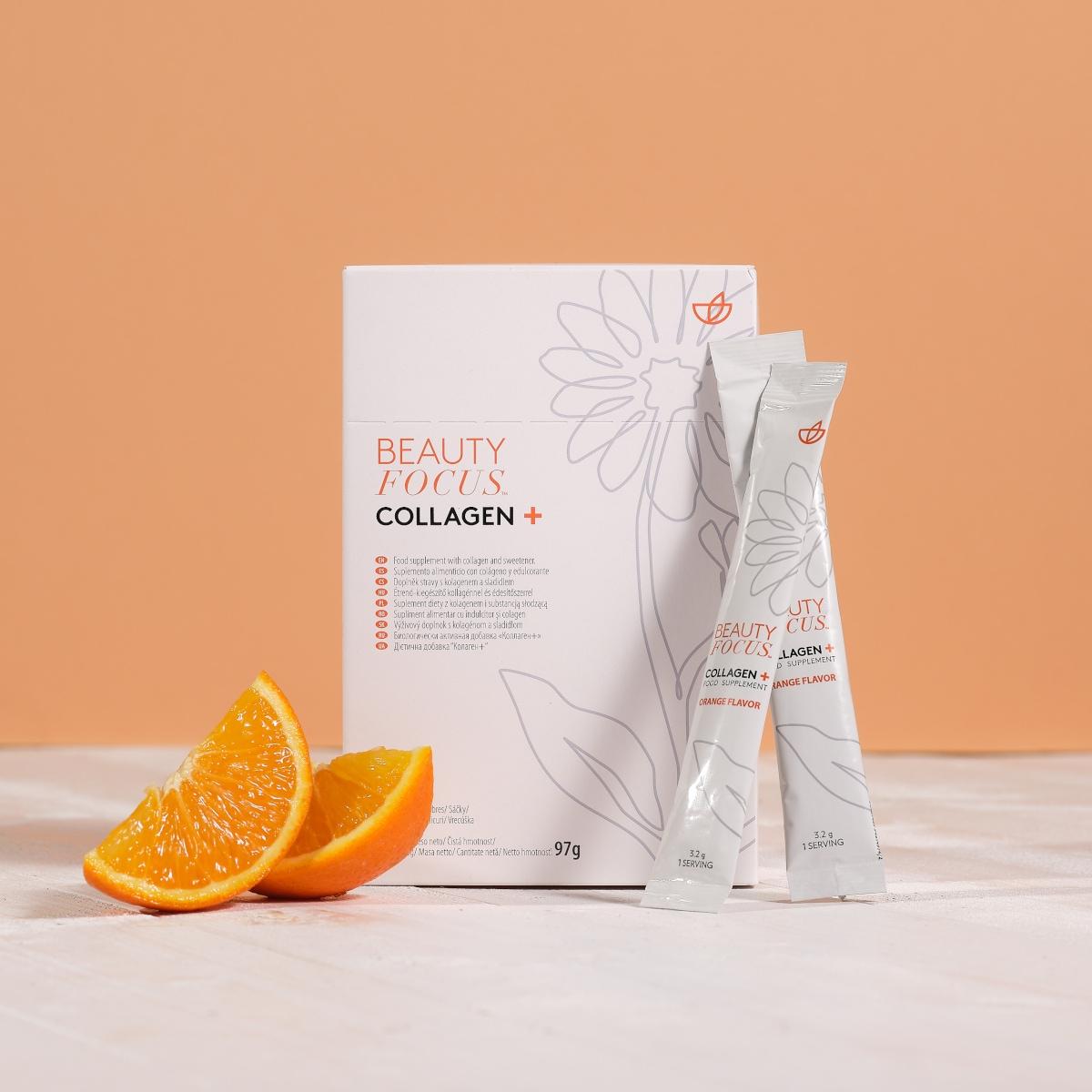
If you’ve been searching for ways to keep your skin smooth and radiant, you’ve probably come across collagen serums for anti-aging. They promise to soften fine lines, boost elasticity, and give you a youthful glow. But what exactly is collagen, and how do serums help you look and feel your best? Let’s explore how collagen works, what benefits you can expect, and tips on finding the right serum.
Learn collagen basics
Collagen is a protein that holds your body together. It’s found in your skin, bones, and connective tissue, and it accounts for roughly 30% of your body’s protein content . Over time, your natural collagen production slows, especially after age 60, which leads to wrinkles, sagging skin, and a decrease in skin firmness. Factors like smoking or too much sun can speed up collagen loss, so it’s worth protecting what you have.
Why serums matter
Collagen serums don’t replace the collagen you lose directly. Instead, they use specialized collagen molecules, peptides, or collagen-boosting ingredients (such as vitamin C and retinol) to help support your skin’s renewal process. When combined with a balanced diet, these serums may encourage your body’s own collagen production. Research has shown oral and topical collagen can improve skin hydration, tighten skin, and soften the look of lines .
Discover benefits of serums
A good collagen-based serum is formulated to work alongside your skin’s natural functions. Here’s what you might notice:
- Increased hydration. Many collagen serums come with hydrating ingredients that lock in moisture.
- Improved elasticity. Studies show marine collagen peptides provide a positive influence on how firm and elastic your skin feels .
- Reduced fine lines. Collagen-rich formulas, paired with additional actives like retinol or peptides, can help you look more refreshed.
A closer look at safety
Thankfully, researchers have not documented serious side effects (internal or external) for collagen, whether you ingest it or apply it topically . It’s still wise to read labels, especially if you have allergies, because some supplements include extra herbs or vitamins that may not fit your needs.
Combine essential anti-aging ingredients
You’ll often see collagen paired with other skin-loving ingredients. Here are a few you’ll want to look for:
- Retinol. Known for encouraging cell turnover, retinol can help refine skin texture and smooth wrinkles.
- Peptides. These support collagen production and help firm up sagging areas .
- Vitamin C. A powerful antioxidant that brightens your complexion and helps your body make more collagen .
- Hyaluronic acid. Fantastic for hydrating skin, especially when combined with vitamin C or peptides.
Layering tips
If you’re using multiple serums, apply water-based products first, then follow with oil-based ones to seal in all that goodness. Many people use retinol or peptide-based products at night, giving your skin time to renew.
Choose a collagen serum
When scanning the shelves (or online shops) for collagen skincare products, focus on formulations supported by research, not flashy packaging. The right collagen serum will:
- Contain evidence-based actives. Look for ingredients like hydrolyzed collagen, peptides, or vitamin C.
- Suit your skin type. If you’re prone to sensitivity, pick a gentle formula that emphasizes hydration.
- Pass reputable testing. Check for brands that commit to transparent ingredient lists and consumer feedback.
You can also explore collagen anti-aging solutions if you need more tailored advice on selecting products for lines, dullness, or overall skin health.
Use collagen serums effectively
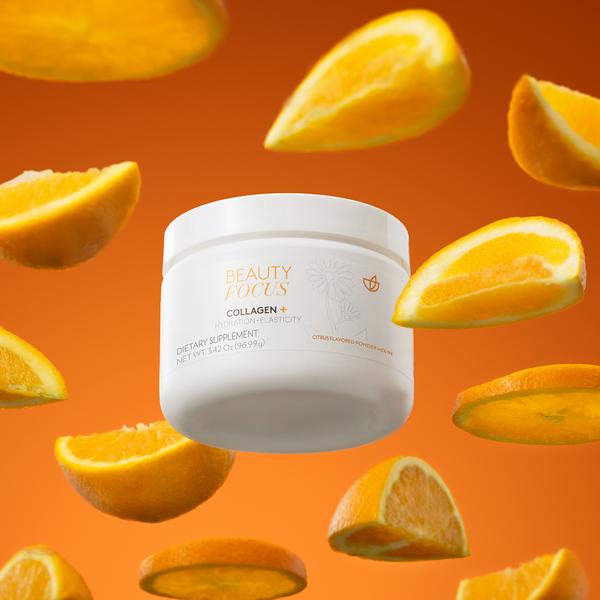
Consistency is key when it comes to seeing real improvements. You might notice subtle changes after several weeks, but most studies measure visible results between two to three months.
- Apply a pea-sized amount on clean, slightly damp skin.
- Pat gently (rather than rubbing) to help your skin absorb the serum.
- Follow with your favourite moisturiser and sunscreen during the day to guard against UV damage.
- Combine topical efforts with a healthy lifestyle. Avoid excessive sugar, stay hydrated, get enough sleep, and consider collagen supplements for anti-aging if you want an extra boost.
Final thoughts
Collagen serums for anti-aging can be a worthwhile addition to your routine, especially when they’re packed with proven actives like peptides, retinol, and vitamin C. They support smoothness, firmness, and help your complexion appear more youthful. Trust your instincts, focus on product quality, and pay attention to how your skin responds over time. With a well-chosen serum and a few daily skincare habits, you’ll be on your way to feeling confident in your own radiant skin.
References
- (Cleveland Clinic)
- (NCBI PMC)
- (Nutrients)
- (Healthline)
- (Reviva Labs)
- (WebMD)
Product information sourced from official Nu Skin product documentation. Independent Nu Skin Brand Affiliate — not produced or endorsed by Nu Skin Enterprises Inc.
Frequently Asked Questions
How long does it take to see results from using a collagen serum for anti-aging?
Most people begin to notice improvements in skin hydration and texture within two to four weeks of consistent daily use. More visible changes in fine lines and skin firmness typically take between eight and twelve weeks, as the skin's renewal cycle needs time to respond to the active ingredients. For best results, apply your collagen serum both morning and evening after cleansing and before moisturising, and maintain this routine without interruption. Results can vary depending on skin type, age, and the specific formula used.
Can I use a collagen serum alongside retinol or vitamin C products in my routine?
Yes, collagen serums are generally compatible with both retinol and vitamin C, and these combinations can actually enhance your results. Vitamin C supports your skin's natural collagen synthesis, making it a particularly effective pairing. If you use retinol, apply it in the evening and your collagen serum in the morning to reduce the risk of irritation. Always allow each product to absorb fully before layering the next, and introduce new products gradually if you have sensitive skin to monitor your skin's response.
At what age should I start incorporating a collagen serum into my skincare routine?
Collagen production begins to decline gradually from your mid-twenties, so incorporating a collagen-supporting serum from around age 25 to 30 can be a proactive step. Younger users may benefit primarily from the hydration and preventative effects, while those in their 40s and beyond are more likely to notice targeted improvements in firmness and the reduction of established fine lines. There is no strict age requirement, and even those who begin later can experience meaningful improvements in skin quality with regular use.
Should I apply a collagen serum before or after my moisturiser?
Collagen serums should always be applied before your moisturiser. Serums have a lighter, more concentrated consistency that allows active ingredients to penetrate deeper layers of the skin when applied directly after cleansing on clean, slightly damp skin. Once the serum has been absorbed — usually after about 60 seconds — follow with your moisturiser to seal in the serum's active ingredients and lock in hydration. Applying in the wrong order can create a barrier that prevents the serum's ingredients from reaching the deeper layers where they are most effective.
Are collagen serums suitable for sensitive or reactive skin types?
Collagen serums are generally well tolerated by sensitive skin, particularly those formulated without fragrance, alcohol, or harsh preservatives. If your skin is reactive, look for serums that combine collagen peptides with soothing ingredients such as hyaluronic acid, niacinamide, or aloe vera. It is advisable to perform a patch test on a small area of skin for 24 to 48 hours before applying the product to your full face. If redness, stinging, or breakouts occur, discontinue use and consult a dermatologist. Starting with once-daily application before building up to twice daily can also help sensitive skin adjust.