
Radiant Skin Awaits: Collagen Anti-Aging Solutions to Try
Published 5 September 2025 · Updated 12 July 2026
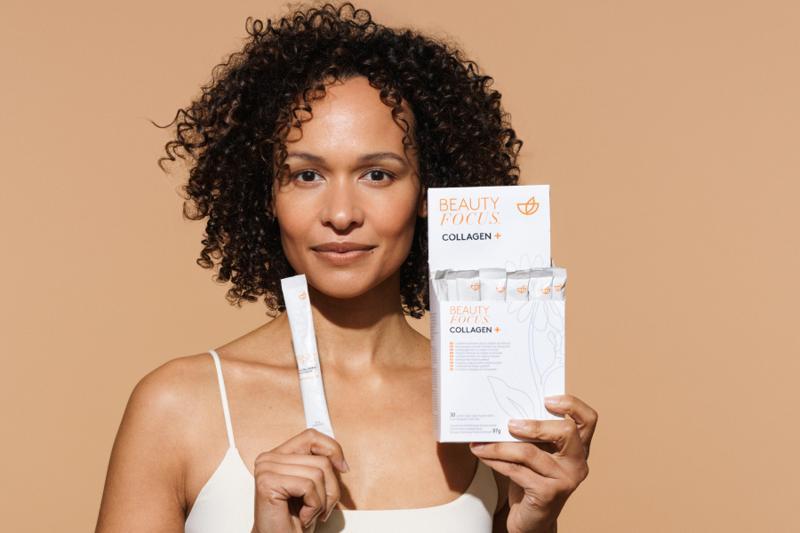
So you’re intrigued by collagen anti-aging solutions and want to know if they really work. You’ve probably heard collagen is a key protein for skin elasticity, bone density, and overall suppleness. But what’s hype and what’s real? Below, we’ll walk through what collagen does, why it matters for your skin, and how you can keep it working in your favour.
Learn about collagen
Collagen makes up about 30 percent of your body’s total protein content. It’s found in skin, bones, tendons, and ligaments, helping your skin feel firm and look smooth. Unfortunately, natural collagen production starts to dip as you age, especially after 40 (and it can drop significantly after menopause). With less collagen on board, wrinkles and sagging skin become more visible.
Why collagen levels drop
- Age-related decline: As the years pass, your body makes less collagen.
- Lifestyle factors: Smoking can damage collagen, along with excessive sun exposure.
- Hormonal changes: Women often see a steeper collagen drop around menopause.
Opt for oral supplements
One way to top up collagen is through oral supplements. Multiple studies have shown that daily collagen intake can boost skin hydration, elasticity, and help reduce the appearance of wrinkles in participants over 40 . Plus, many participants reported zero side effects.
Possible perks
- Improved skin elasticity: Collagen peptides may help tighten skin and soften fine lines.
- Enhanced hydration: Some studies found people’s skin stayed more moisturised after two to three months of consistent use.
- Convenience factor: Capsules or powders are simple to add to your morning routine.
For an in-depth look at how different oral supplements could complement your routine, check out these collagen supplements for anti-aging.
Try topical formulas
Topical collagen products, such as creams or serums, aim to deliver collagen directly where you need it. However, keep in mind that the molecules can be quite large, so absorption through your skin may be limited . Even so, certain over-the-counter products contain smaller “collagen peptides” designed to penetrate more easily.
Types of topical solutions
- Creams and serums: Look for “hydrolysed collagen” on the label.
- Masks: Sheet or cream masks can temporarily improve surface hydration.
- Professional treatments: Some clinics use specialized techniques to help collagen penetrate deeper into the skin.
If you’re curious about trying different topical picks, you might explore collagen serums for anti-aging or look into collagen masks for anti-aging.
Adopt healthy habits
Your day-to-day choices can support your body’s natural collagen levels and help fight signs of aging. Before you reach for anything fancy, shore up these basics.
Lifestyle tweaks
- Limit UV exposure: UV rays break down collagen. Use sunscreen with SPF 30 or higher.
- Look after your diet: Protein, vitamin C, and zinc help your body create collagen. Whole foods like salmon, leafy greens, and citrus fruits are great.
- Stay active: Weight-bearing exercises encourage bone density and might promote better collagen utilisation.

Maintaining good habits complements whatever collagen anti-aging solutions you choose. It’s also essential to keep an eye on potential side effects if you’re trying new supplements. In rare cases, some people report mild rashes or digestive issues . Consult your doctor if you’re worried about allergies or interactions with other medications.
Wrap up your routine
Collagen matters because it literally holds you together, from your skin to your bones. Boosting it with the right supplements or topical products can play a role in keeping your complexion smooth and radiant. If you’re extra curious about how collagen can transform your daily skincare, explore collagen skincare products for more targeted options.
At the end of the day, you’ll see the best results by layering up several strategies: a healthy lifestyle, a balanced diet, and carefully chosen collagen products. Give yourself a few months of consistency, and see what unfolds. After all, helping your skin look and feel its best is worth a little patience and a lot of self-care.
References
- (NCBI)
- (Mayo Clinic)
- (MedicineNet)
Product information sourced from official Nu Skin product documentation. Independent Nu Skin Brand Affiliate — not produced or endorsed by Nu Skin Enterprises Inc.
Frequently Asked Questions
How long does it take to see results from collagen supplements or topical collagen products?
Most people begin to notice improvements in skin hydration and texture after about four to eight weeks of consistent daily use, though more visible changes in firmness and fine lines typically take two to three months. Topical collagen creams and serums may offer quicker surface-level hydration, often within a few days, but deeper structural benefits require sustained use over time. Consistency is key — skipping days regularly can delay or reduce the results you might otherwise achieve.
Can collagen supplements be taken alongside other vitamins or skincare supplements without causing interactions?
Collagen supplements are generally well tolerated and can be taken alongside common vitamins such as vitamin C, which actually supports your body's natural collagen synthesis and may enhance the effectiveness of collagen peptides. Biotin, hyaluronic acid, and zinc are also frequently combined with collagen without issue. However, if you are taking prescribed medications or have an underlying health condition, it is worth checking with your GP or a pharmacist before adding any new supplement to your routine, particularly if you are pregnant or breastfeeding.
At what age should someone start using collagen anti-aging products?
Natural collagen production begins to slow gradually in your mid-to-late twenties, which is why many skincare specialists suggest introducing collagen-supporting products as a preventative measure from around the age of 25 to 30. If you are in your 40s or beyond — particularly if you have been through or are approaching menopause — both oral supplements and topical treatments become especially relevant, as collagen loss accelerates during this stage. Starting earlier is not harmful and can help maintain a stronger baseline of skin elasticity for longer.
How should collagen serums or creams be incorporated into an existing skincare routine?
Collagen-based serums should generally be applied after cleansing and toning but before heavier moisturisers, as lighter formulas are designed to absorb into the skin first. If you use vitamin C or retinol products, apply your collagen serum at a different time of day — for example, vitamin C in the morning and retinol at night — to avoid potential sensitivity. Collagen creams work well as a final step in your evening routine, locking in moisture overnight when skin repair processes are most active. Always finish your daytime routine with a broad-spectrum SPF, as sun exposure accelerates collagen breakdown.
Are collagen anti-aging products suitable for sensitive skin types?
Many collagen supplements and topical products are formulated to be gentle enough for sensitive skin, as hydrolysed collagen peptides are typically well tolerated. That said, some serums and creams contain additional active ingredients such as retinol, acids, or fragrances that can cause irritation in sensitive skin types. It is advisable to perform a patch test on a small area of skin before applying a new topical product all over your face, and to introduce one new product at a time so you can identify any ingredient that may not suit your skin. If redness or irritation persists, discontinue use and consult a dermatologist.