
Unlock the Amazing Collagen Anti-Aging Benefits Today
Published 5 September 2025 · Updated 12 July 2026
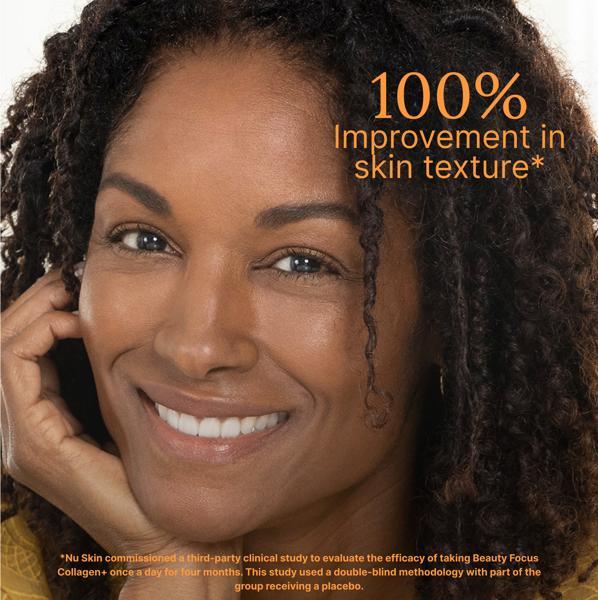
Are you curious about collagen anti-aging benefits and how they might help your skin bounce back? You’re not alone. Many people want smoother texture, fewer wrinkles, and that youthful glow we all miss from our twenties. The good news: collagen could be part of your skincare puzzle. In this ultimate guide, you’ll learn how collagen works, the best ways to boost it, and why both oral and topical options might be worth a try.
Understand collagen basics
Collagen is the most abundant protein in your body, acting like the glue that holds everything together. It keeps your skin firm, tendons resilient, and bones strong. According to experts, it makes up about 30% of your body’s total protein . Here’s the catch: once you hit your mid-twenties, your natural collagen production starts to dip. Lifestyle factors, like too much sun exposure, can speed this process along and lead to wrinkles, sagginess, and dryness.
Key facts on collagen
- Accounts for roughly 30% of your body’s total protein.
- Supports skin structure, hair, nails, and joints.
- Slows down in production after age 25.
- UV rays, smoking, and alcohol can damage or deplete collagen.
Recognise anti-aging potential
So, why is collagen synonymous with anti-aging? It’s all about skin elasticity and moisture retention. Studies have shown that both oral and topical collagen can reduce wrinkles, improve hydration, and enhance elasticity . Some research even found notable improvements after just a few months of consistent use. That said, results can vary from person to person, and factors like diet and lifestyle play a major role.
Benefits highlighted in studies
- Improved skin moisture and hydration.
- Enhanced firmness and reduced wrinkle depth.
- Possible boost in overall dermal density.
- Minimal or no reported side effects in most trials.
If you’re exploring different strategies to keep your skin looking fresh, you might also be interested in collagen anti-aging solutions that pair well with sunscreen use and a balanced diet.
Compare oral and topical
People often ask whether oral or topical collagen is more effective. While both appear to offer anti-aging perks, each method works a bit differently. Here’s a quick overview:
| Approach | How It’s Used | Potential Benefits | Time to See Effects | Side Effects |
|---|---|---|---|---|
| Oral | Pills, powders, drinks | Improved hydration, elasticity, joint relief | 4–12 weeks or more | Rarely reported |
| Topical | Creams, serums, masks | Targeted application, helps combat wrinkles and dryness | Visible improvements in about a month | Generally mild if any |
A quick note: many skincare enthusiasts also explore collagen serums for anti-aging and collagen masks for anti-aging to give their skin an added glow. Whichever route you choose, consistency is key.
Incorporate collagen daily
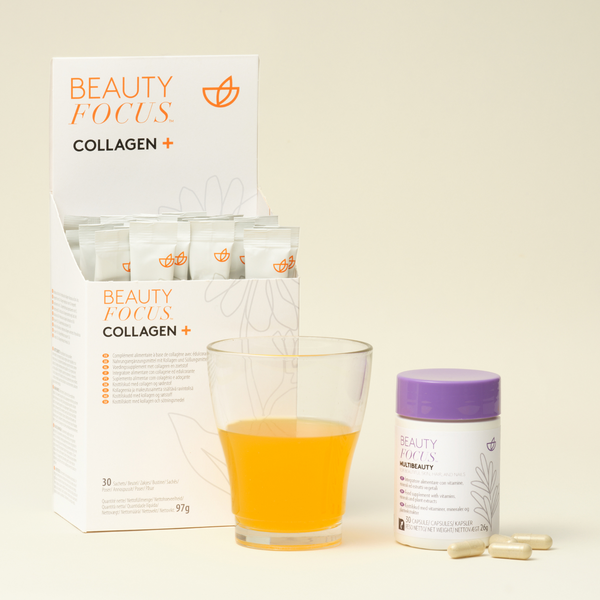
If you’re excited to weave collagen into your routine, gradual changes can go a long way. For instance, you can mix collagen powders into your morning smoothie or apply a collagen-infused moisturiser each evening. Some products, like Beauty Focus Collagen+ , combine collagen peptides with other active ingredients. These formulas aim to support skin elasticity, protect skin from oxidative stress, and keep things radiant.
Easy ways to boost collagen
- Add collagen powder to coffee or shakes.
- Try daily capsules if you prefer a simple supplement routine.
- Use a gentle topical treatment before bed.
- Combine with a balanced diet rich in vitamin C, zinc, and copper for best results.
Considering a broad range of choices? Have a look at collagen supplements for anti-aging to find a method that fits your lifestyle and budget.
Protect your collagen levels
Collagen on its own isn’t a magic wand. Your body still needs a bit of extra care. Ultraviolet rays break down existing collagen and hamper new production, so daily sunscreen is your friend . Smoking can further damage collagen and speed up ageing. Minimising these factors helps you hold on to more of what keeps your skin firm.
Tips to shield your collagen
- Apply an SPF 30 or higher every morning, even on cloudy days.
- Stay hydrated, aiming for around six to eight glasses of water daily.
- Get plenty of antioxidant-rich foods, like berries and leafy greens.
- Avoid smoking. If you do smoke, consider seeking help to quit.
If you want extra reading, you might check out collagen and skin firmness to learn more about how to maintain that youthful bounce.
Key points to remember
- Collagen is the framework that helps your skin stay hydrated, elastic, and firm.
- Oral and topical collagen can offer complementary anti-aging advantages.
- Studies show clear improvements in skin moisture, elasticity, and wrinkle depth with regular use.
- Results vary, and consistency in daily habits, like sunscreen and balanced nutrition, makes all the difference.
- Overall, you can find plenty of collagen skincare products suited to different budgets and lifestyles.
It’s wise to pick a method you can stick to—be it a supplement, a serum, or a quick daily collagen drink. Consistency is the name of the game when you’re aiming for smoother, more youthful-looking skin. Give it a go, see how it feels, and let your skin be the ultimate judge. If you have a personal tip or success story, feel free to share—it might inspire someone else to embrace collagen anti-aging benefits too.
References
Product information sourced from official Nu Skin product documentation. Independent Nu Skin Brand Affiliate — not produced or endorsed by Nu Skin Enterprises Inc.
Frequently Asked Questions
How long does it take to notice visible results from using collagen supplements or topical collagen products?
Most clinical studies suggest that consistent use of collagen supplements or topical collagen products for at least 8 to 12 weeks is needed before visible improvements in skin firmness, hydration, and wrinkle depth become apparent. Some users report subtle changes in skin texture and moisture levels within four weeks, but more significant results — such as reduced fine lines and improved elasticity — typically require three months of daily use. Factors like age, diet, sun exposure habits, and overall skincare routine can all influence how quickly you see a difference. For best consistency, incorporate your chosen collagen product into your morning or evening routine at the same time each day.
Can collagen products be used alongside retinol or vitamin C serums without causing irritation?
Yes, collagen products are generally compatible with both retinol and vitamin C serums, and combining them can actually be beneficial. Vitamin C is well known for stimulating the body's natural collagen synthesis, so using it alongside a collagen serum or supplement may enhance overall results. Retinol accelerates skin cell turnover and supports collagen production at a deeper dermal level. To minimise any risk of irritation, it is advisable to apply vitamin C in the morning and retinol in the evening, layering collagen products in whichever routine suits their texture — lighter serums before heavier creams. If your skin is sensitive, introduce each product gradually over several weeks rather than all at once.
Who is most likely to benefit from adding collagen support to their skincare routine?
People aged 25 and above are the most likely to benefit, as this is when natural collagen production begins to decline. Those who have noticed early signs of ageing such as fine lines around the eyes and mouth, reduced skin elasticity, or increased dryness are particularly good candidates. Individuals with lifestyles that accelerate collagen breakdown — including frequent sun exposure, smoking, high sugar intake, or significant stress — may also see meaningful improvements. Collagen-focused products and supplements are suitable for most skin types, including combination and mature skin. However, anyone with specific medical conditions or who is pregnant should consult a healthcare professional before starting a new supplement regime.
Should collagen supplements be taken at a specific time of day to maximise their anti-aging effectiveness?
There is no definitive clinical consensus on the single best time to take collagen supplements, but several practical factors can guide your choice. Taking collagen on an empty stomach or first thing in the morning may improve absorption for some people, as digestive enzymes are more active before a large meal. Others prefer taking it before bed, as the body's repair and regeneration processes are most active during sleep, which could complement collagen's role in skin renewal. The most important factor is consistency — taking your supplement at the same time each day ensures a steady supply of amino acids for collagen synthesis. Pairing your supplement with a source of vitamin C, such as a glass of orange juice, can further support the body's ability to use those amino acids effectively.
How does topical collagen differ from collagen supplements in terms of how they work on the skin?
Topical collagen products and oral collagen supplements work through fundamentally different mechanisms. When applied to the skin, topical collagen molecules — particularly in creams and serums — primarily act on the surface, helping to lock in moisture, temporarily plump fine lines, and support the skin barrier. Standard collagen molecules are too large to penetrate deeply into the dermis through the skin's surface, though advanced formulations using hydrolysed collagen peptides or encapsulation technology have improved this. Oral collagen supplements, by contrast, are broken down in the digestive system into smaller peptides and amino acids that enter the bloodstream and are delivered to the dermis from within, where they can stimulate fibroblast activity and encourage the body's own collagen production. For a comprehensive anti-aging approach, combining both topical and ingestible collagen strategies alongside a diet rich in vitamin C, zinc, and antioxidants tends to yield the most well-rounded results.