
Why Collagen is Key to Achieving Skin Firmness
Published 5 September 2025 · Updated 12 July 2026

Understand collagen basics
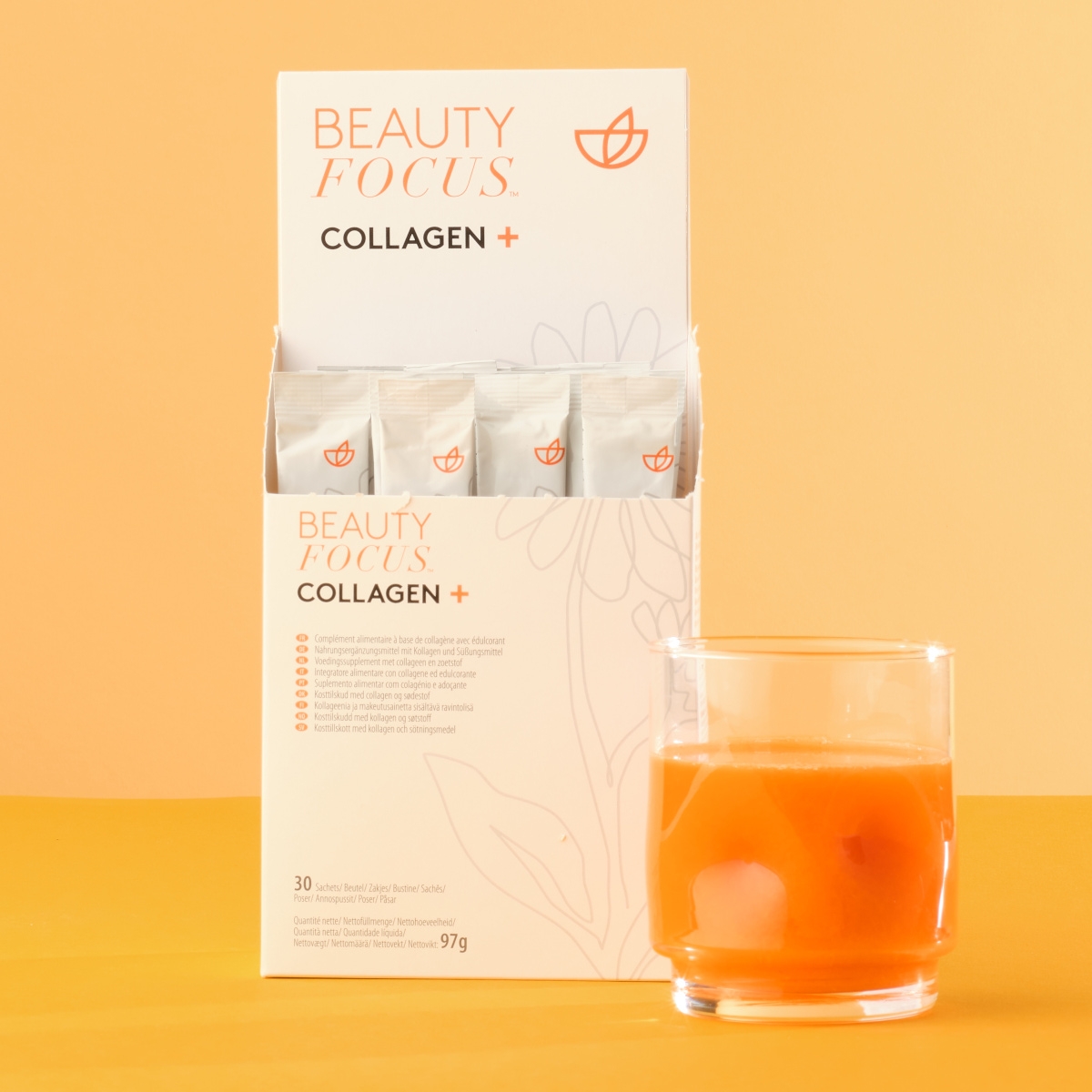
When you think about collagen and skin firmness, you’re really looking at one of the most essential elements in your body’s support system. Collagen is a protein that makes up about 30% of your total protein content, and it plays a huge role in keeping your skin, bones, muscles, and connective tissues strong . In simpler terms, it’s like the scaffolding that props up everything else.
What does collagen do?
Collagen helps maintain that plump, elastic quality in your skin. It’s the reason your cheeks bounce back when you poke them, and it’s a big part of why fine lines are less visible when you’re younger. Over time, though, your body produces less collagen, and what’s left can break down. Result? Skin that looks thinner or less firm.
Why does it matter for skin firmness?
When collagen levels dip, your skin tends to lose its smooth, lifted look. You may notice extra wrinkles, dryness, or sagging because fewer collagen fibers are available to keep your face and body looking firm. The good news? You can support more robust collagen levels by caring for your skin both inside and out.
Recognise factors that reduce collagen
Your body is naturally wired to produce collagen, but many internal and external elements can slow this process down.
Age and hormones
As you enter your 30s and beyond, collagen production starts a steady decline of about 1% per year . For women, this drop can speed up after menopause, when oestrogen, a hormone closely tied to collagen synthesis, decreases. This hormonal shift is a big reason why you might notice changes in skin texture and firmness around that time.
Lifestyle and environment
Healthy habits matter. If you spend lots of time in the sun without sunscreen, UV rays break down collagen faster , causing wrinkles and uneven skin tone. Smoking also speeds up collagen loss through reduced blood flow . So if you want skin that stays firm longer, daily sunscreen and ditching harmful habits can make a huge difference.
Boost your collagen naturally
Even if collagen production slows over time, you can encourage your body to keep its natural manufacturing line going.
Focus on diet
Eating protein-rich foods like lean meats, eggs, and legumes can supply the amino acids you need . Also, add in plenty of fruits and veggies that contain vitamin C, zinc, and copper, all of which are essential for collagen formation. While you can’t magically “eat collagen” for instant results, you can give your body the building blocks it requires to make its own.
- Lean proteins (e.g., chicken, fish)
- Vitamin C-rich produce (citrus fruits, bell peppers)
- Zinc and copper (nuts, seeds, shellfish)
Consider supplements
Scientists are still debating how much of a direct benefit collagen supplements might have, but some studies suggest that hydrolyzed collagen can improve skin elasticity and hydration . If you decide to try a product, look for one with minimal fillers and check for amino acid profiles that include prolylhydroxyproline and hydroxyprolylglycine .
To explore more ways to support healthy ageing, you can check out collagen anti-aging solutions. And if you’re based in the UK, you might find a variety of collagen supplements uk that fit your lifestyle.
Look at collagen skincare
Skincare products can also do some heavy lifting in your pursuit of firmness.
Topical and oral approaches
Some creams and serums include synthetic collagen, creating a protective layer on the skin’s surface. Although these can help with hydration, a bigger impact might come from a two-fold approach that combines internal support (e.g., hydrolyzed collagen supplements) and topical skincare. Oral collagen has been shown in several studies to promote skin elasticity and hydration, while topical options can lock in moisture .
If you prefer to apply your daily dose, consider collagen serums for anti-aging or collagen masks for anti-aging. They’re often packed with antioxidants like vitamin C or ingredients like hyaluronic acid, which promotes smooth, supple skin .
Supporting ingredients
Collagen on its own can’t do all the work. Vitamin C is essential for collagen production, so investing in a vitamin C serum or moisturizer might help guard your skin against further damage . Lutein, found in certain advanced products, also supports skin radiance by protecting cells from oxidative stress. If you need broader guidance on building a youthful glow, check out collagen for youthful skin.
Summing it all up
Collagen is the protein powerhouse behind your skin’s firmness. Age, sun exposure, and lifestyle habits can deplete collagen levels, but you can take steps to slow down that process. A balanced diet with plenty of protein and vitamins, careful sun protection, and well-chosen supplements or topical formulations may all help you preserve your skin’s elasticity.
If you’re ready for more detail on collagen as part of your anti-aging routine, head over to collagen anti-aging benefits. And if you’re exploring treatments that specifically target skin elasticity, you could also see collagen skin elasticity treatment. By giving your body and skin the right support, you’ll likely notice smoother, firmer-looking skin that feels as good as it appears. Give it a go, and see how it transforms your daily glow!
References
- (Cleveland Clinic)
- (VidaFuel)
- (Cleveland Clinic)
- (NCBI)
- (Harvard Health Publishing)
- (NCBI)
- (Medical News Today)
Product information sourced from official Nu Skin product documentation. Independent Nu Skin Brand Affiliate — not produced or endorsed by Nu Skin Enterprises Inc.
Frequently Asked Questions
How long does it take to see noticeable improvements in skin firmness when supporting collagen levels?
Most people begin to notice subtle changes in skin texture and firmness after around 8 to 12 weeks of consistent collagen support, whether through topical products, supplements, or lifestyle adjustments. This is because the skin's natural renewal cycle takes time, and collagen fibres need several weeks to rebuild and reorganise within the dermis. For more visible results such as reduced sagging or softer fine lines, a commitment of three to six months is typically recommended. Consistency is key — sporadic use of collagen-supporting products will deliver far less noticeable outcomes than a steady daily routine.
Can collagen-supporting skincare products be used alongside retinol or vitamin C serums?
Yes, collagen-supporting products are generally compatible with both retinol and vitamin C, and in fact these ingredients work well together. Vitamin C is a well-established cofactor in the body's own collagen synthesis process, meaning it can actively enhance the results of collagen-focused skincare. Retinol helps stimulate collagen production at a cellular level by accelerating skin cell turnover. To avoid irritation, apply vitamin C in the morning and retinol in the evening, and introduce new products gradually. If you are using a collagen peptide serum, it can typically sit comfortably in either routine, applied after cleansing and before heavier moisturisers.
Who is most likely to benefit from adding collagen support to their skincare routine?
Anyone in their late 20s or older can benefit from a collagen-focused approach, since natural collagen production begins declining from around age 25 to 30. However, those who are most likely to see meaningful results include women going through or past menopause, individuals who have had significant sun exposure over the years, smokers or former smokers, and people who notice early signs of skin laxity such as softening jawlines or increased fine lines. Even younger adults with a family history of early collagen loss or those with high-stress lifestyles — which elevates cortisol and can suppress collagen synthesis — may find proactive collagen support worthwhile.
What is the difference between using a topical collagen cream and taking a collagen supplement, and do you need both?
Topical collagen creams and serums work primarily on the skin's surface, helping to hydrate, plump, and protect the outermost layers. Collagen molecules in their full form are generally too large to penetrate deeply into the dermis, so effective topical products typically use collagen peptides or ingredients that stimulate the skin's own collagen production, such as retinol, niacinamide, or peptide complexes. Collagen supplements, particularly hydrolysed collagen peptides taken orally, are broken down in the digestive system into amino acids that the body can use as building blocks for new collagen from within. Using both approaches together — internal support through diet or supplements and external support through targeted skincare — is likely to yield more comprehensive results than either method alone.
Does diet alone provide enough support for collagen production, or is additional supplementation usually necessary?
A well-balanced diet rich in collagen-building nutrients can provide a meaningful foundation. Key dietary sources include vitamin C from citrus fruits and leafy greens, zinc from nuts and seeds, copper from shellfish and legumes, and amino acids proline and glycine from bone broth, eggs, and lean meats. For many people, particularly those over 40, post-menopausal women, or individuals with dietary restrictions that limit these food groups, getting sufficient quantities through food alone becomes more challenging. In these cases, a hydrolysed collagen supplement can help bridge the nutritional gap. It is always advisable to consult a healthcare professional before starting any new supplement regimen, especially if you have underlying health conditions or take regular medications.