Authorised Independent Nu Skin Distributor
Probio Pcc™ (NZ)
Product Description
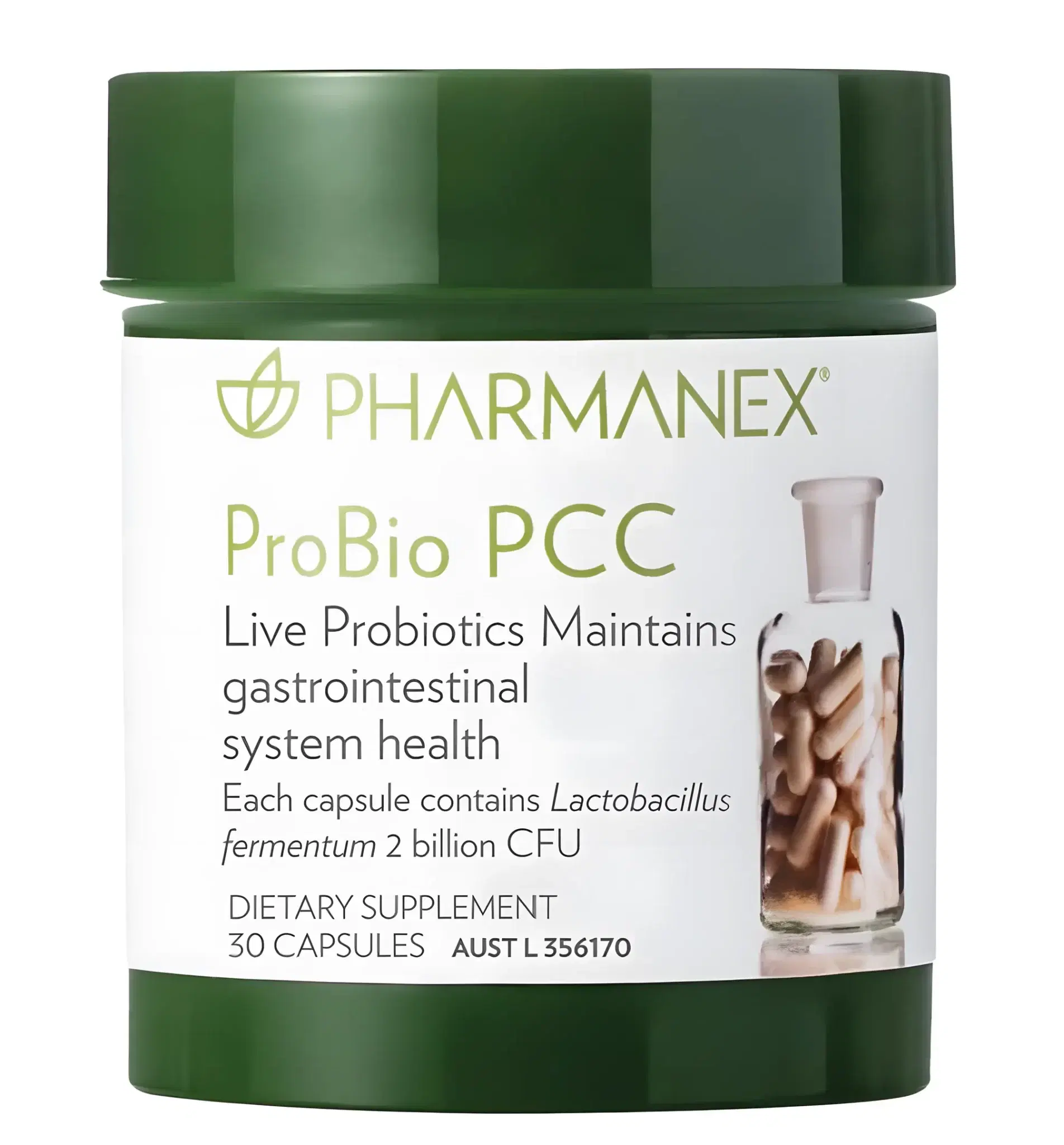
Canterbury's nor'wester winds can wreak havoc on more than just your skin — the stress of constant weather changes, plus the dietary disruptions that come with New Zealand's outdoor lifestyle (think bach weekends with different food and water sources, or multi-day tramping where meal planning goes out the window), can leave your digestive system feeling off-balance. Probio PCC™ delivers 2 billion CFUs per capsule of Lactobacillus rhamnosus, one of the most extensively researched probiotic strains in clinical literature. Unlike multi-strain probiotics that take a scattergun approach, this targeted single-strain formula focuses on what works — supporting digestive balance, immune function, and intestinal health with the bacterial strain that has the strongest evidence base. Shelf-stable capsules don't require refrigeration, making them practical for New Zealand lifestyles that involve travel, outdoor activities, and variable storage conditions.
Who It's For
Best suited for: Adults seeking targeted digestive support with a clinically studied probiotic strain. Ideal for frequent travellers, outdoor enthusiasts, or anyone who wants consistent gut health support without refrigeration requirements. Particularly valuable during or after antibiotic courses, periods of dietary change, or digestive stress.
Less suited for: Those preferring multi-strain probiotic blends or seeking immediate digestive relief (probiotics work gradually over weeks). Not recommended for severely immunocompromised individuals without healthcare professional guidance.
Pairs well with: Pharmanex Nu Biome® for comprehensive gut support (prebiotic + postbiotic mechanisms), LifePak® for foundational nutrition, or digestive enzymes for immediate meal support.
What Makes Probio PCC Different
New Zealand's probiotic market is flooded with multi-strain formulas promising that more strains equals better results. Probio PCC takes the opposite approach — focus on one strain, but make it the right one. Lactobacillus rhamnosus is among the most extensively studied probiotic strains in clinical literature, with specific research supporting digestive health, immune modulation, and gut barrier integrity. The 2 billion CFU dose matches the levels used in clinical trials demonstrating benefits.
The shelf-stability factor sets Probio PCC apart from refrigeration-dependent probiotics that lose potency during New Zealand's shipping conditions. Whether your supplements are travelling from Auckland to Invercargill, sitting in a hot car during Queenstown's summer, or stored in a bach without consistent temperature control, Probio PCC maintains its bacterial viability. This matters when your probiotic routine needs to survive real-world New Zealand conditions — not just laboratory storage.
Strain specificity also differentiates Probio PCC from generic "Lactobacillus blend" products. The specific Lactobacillus rhamnosus strain used has documented mechanisms of action for competitive exclusion of pathogenic bacteria, enhancement of intestinal barrier function, and modulation of immune cell responses. You cannot substitute different Lactobacillus strains and expect equivalent results — bacterial effects are strain-specific, not species-general.
How It Compares
| Product | Strain Specificity | CFU Count | Refrigeration | Clinical Research |
|---|---|---|---|---|
| Probio PCC | Single strain (L. rhamnosus) | 2 billion CFUs | Not required | Extensive strain-specific research |
| Healtheries Probiotica | Multi-strain blend | 25 billion CFUs | Refrigeration recommended | General probiotic research |
| Go Healthy Probiotic 40 Billion | Multi-strain (12 strains) | 40 billion CFUs | Not required | Broad-spectrum approach |
| Blackmores Probiotics+ Daily Health (available in NZ) | Multi-strain (5 strains) | 30 billion CFUs | Not required | General digestive health claims |
How does Probio PCC ship to New Zealand?
Ships directly from Nu Skin New Zealand's warehouse, typically arriving within 2-5 business days across the country. Rural delivery (RD) addresses may require additional time. Standard shipping costs NZ$4.99, with free shipping on orders over NZ$99. No Nu Skin membership or registration required — simply order from nubestskin.com/nz and receive the same product sold through Nu Skin's official channels.
What's the difference between Probio PCC and Nu Biome?
Probio PCC delivers live bacterial strains (traditional probiotic approach), while Nu Biome uses prebiotic fibres plus postbiotic metabolites (no live bacteria). Probio PCC provides 2 billion CFUs of Lactobacillus rhamnosus to directly colonise your gut. Nu Biome feeds the bacterial community already living in your digestive system with fructooligosaccharides and xylooligosaccharides, plus delivers bacterial metabolites without requiring bacterial viability. They work through different mechanisms and can be used together for comprehensive gut support.
Does it really not need refrigeration in New Zealand's climate?
Correct — Probio PCC's formulation maintains CFU viability at room temperature throughout New Zealand's climate zones. This includes Auckland's humid summers, Wellington's variable conditions, and Queenstown's temperature swings. Avoid storing in hot cars, direct sunlight, or extreme heat (above 30°C for extended periods), but normal household storage is perfectly adequate. The shelf-stable technology eliminates the refrigeration logistics that make many probiotics impractical for travel or inconsistent storage.
Can I take it during antibiotic treatment?
Yes, and it's often recommended. Antibiotics disrupt both harmful and beneficial bacteria in your gut microbiome. Taking probiotics during and after antibiotic courses helps restore beneficial bacterial populations. For optimal results, take Probio PCC at least 2 hours away from your antibiotic dose — this timing prevents the antibiotic from immediately killing the probiotic bacteria you're trying to establish.
How quickly will I notice digestive improvements?
Digestive comfort improvements typically appear within 1-2 weeks of consistent daily use, as the Lactobacillus rhamnosus population establishes in your gut. Immune support benefits develop over 4-8 weeks, as the probiotic bacteria modulate immune cell responses and strengthen intestinal barrier function. Consistency matters more than timing — daily use maintains stable bacterial populations, while sporadic use allows fluctuations that reduce effectiveness.
Is Probio PCC regulated by Medsafe in New Zealand?
Probio PCC is regulated as a dietary supplement under New Zealand's Dietary Supplements Regulations, administered by FSANZ (Food Standards Australia New Zealand) and overseen by Medsafe for compliance. As a probiotic supplement rather than a therapeutic medicine, it does not require Medsafe pre-market approval, but must comply with labelling, safety, and manufacturing standards for dietary supplements sold in New Zealand.
What's the optimal storage for New Zealand conditions?
Store in a cool, dry place away from direct sunlight — a kitchen cupboard or pantry works perfectly. Unlike refrigeration-dependent probiotics, Probio PCC doesn't require special storage, making it practical for New Zealand's variable housing conditions, travel, and outdoor lifestyles. Avoid leaving in hot cars during summer or storing in humid bathrooms, but normal household temperature variations are fine.
Can children take Probio PCC?
Probio PCC is formulated for adults. For children's probiotic needs, consult with a healthcare professional who can recommend age-appropriate formulations and dosing. Children's gut microbiomes differ from adults, and probiotic requirements vary by age, weight, and digestive development stage.
Works With
- Pharmanex Nu Biome® (NZ$116.00) — Prebiotic + postbiotic support for comprehensive gut health
- LifePak® (NZ$168.00) — Foundational nutrition including B vitamins that support digestive health
- ageLOC Meta® (NZ$188.00) — Metabolic support that may benefit from improved gut health
Sources & References
1. Capurso L. Thirty Years of Lactobacillus rhamnosus GG: A Review. Journal of Clinical Gastroenterology. 2019;53(Suppl 1):S1-S41.
2. Segers ME, Lebeer S. Towards a better understanding of Lactobacillus rhamnosus GG—host interactions. Microbial Cell Factories. 2014;13(Suppl 1):S7.
3. Pharmanex. Probio PCC product specifications and clinical documentation. 2024.
4. New Zealand Ministry of Health. Regulation of Dietary Supplements. 2024.
Important Information: This product is not intended to diagnose, treat, cure, or prevent any disease. Consult your healthcare professional before use, especially if you are pregnant, nursing, taking medication, or have a medical condition. Dietary supplements are regulated under New Zealand's Dietary Supplements Regulations administered by FSANZ. Individual results may vary.
Independent Nu Skin Brand Affiliate — not produced or endorsed by Nu Skin Enterprises Inc.
Why Buy from NuBest Skin?
No registration needed — shop and purchase directly, no account setup required.
Shipped from official Nu Skin warehouse — 100% authentic, factory-sealed products with full warranty.
Competitive pricing — we offer great value on authentic Nu Skin products.
Nu Skin product purchasing channels for New Zealand -- relationship, invoice, warranty, warehouse fulfilment, and marketplace-risk guidance.