
Many individuals underestimate the power of a well-balanced multivitamin in enhancing their overall well-being. These supplements can play a significant role in supporting your body’s natural healing processes by providing imperative vitamins and minerals that may be lacking in your diet. By incorporating a multivitamin into your daily routine, you can boost your immune system, aid in recovery from illness, and promote optimal cellular function. Understanding how these nutrients work together enables you to make informed decisions that can positively impact your health.
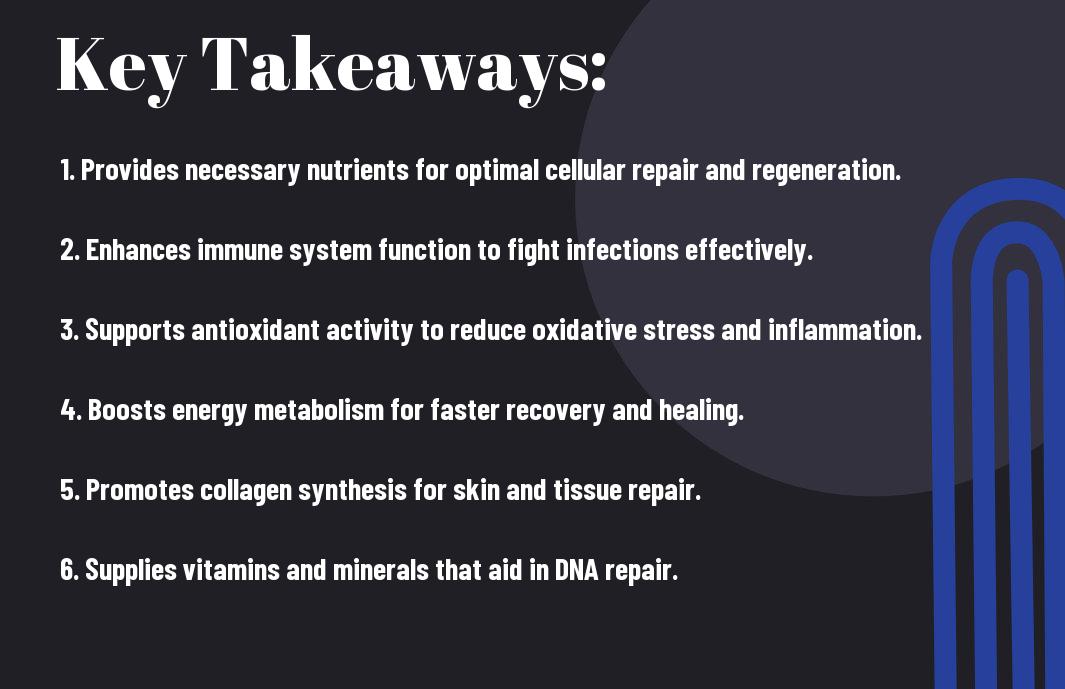
Key Takeaways:
- A well-balanced multivitamin provides crucial nutrients that enhance the body’s immune response, supporting quicker recovery from illness and injury.
- Vitamins and minerals found in multivitamins play a vital role in energy production and cellular repair, promoting overall physical and mental well-being.
- Regular intake of a multivitamin can help fill nutritional gaps in the diet, ensuring the body has the necessary components to maintain optimal health and support its natural healing processes.
The Biochemical Mechanisms of Healing
Your body constantly engages in complex biochemical processes that support healing and recovery from injury or illness. This intricate interplay of various nutrients and compounds is fundamental for effective tissue repair, immune function, and overall wellness. A well-balanced multivitamin ensures you receive adequate levels of these necessary nutrients, which can assist in optimizing these healing processes. For example, vitamin C plays a pivotal role in collagen synthesis, which is integral for repairing damaged tissues and maintaining skin integrity. Without sufficient vitamin C, your healing process can be significantly impaired, leading to longer recovery times.
Moreover, vitamins E and D also contribute to the healing process by influencing inflammation pathways and immune responses. With the right blend of these nutrients, your body’s natural defense mechanisms become more robust, enhancing your ability to repair damaged tissues and fend off infections. Including minerals like zinc in your multivitamin regimen supports the production and function of immune cells, further promoting efficient healing throughout your body.
How Nutrients Facilitate Cellular Repair
Nutritional components play a vital role in cellular repair mechanisms. For instance, amino acids, the building blocks of protein, are necessary for synthesizing new cells, especially after injury. If you consume a multivitamin rich in B vitamins, you provide your cells with indispensable cofactors that aid in energy production and the synthesis of neurotransmitters. This support is invaluable, as damaged cells require ample energy to repair themselves and regenerate efficiently.
Moreover, certain minerals like magnesium act as cofactors in over 300 enzymatic reactions that are necessary for repairing cellular damage. When your cells sense injury, they activate specific pathways that necessitate these key nutrients. Insufficient intake can inhibit these signaling processes, ultimately prolonging recovery. By ensuring your diet is supplemented with necessary vitamins and minerals through a balanced multivitamin, you promote an accelerated and more effective cellular repair process.
The Role of Antioxidants in Reducing Inflammation
Antioxidants play a critical role in combating inflammation, a natural response that often accompanies the healing process. Your body produces reactive oxygen species (ROS) during injury and stress, leading to cellular damage if not properly managed. Antioxidants such as vitamins C and E, and compounds like selenium neutralize these free radicals, minimizing oxidative stress and helping to maintain cellular integrity. Lower levels of oxidative stress correlate strongly with reduced inflammation, thus hastening recovery times.
In fact, research indicates that individuals who consume diets rich in antioxidants experience quicker healing and a lower incidence of inflammation-related issues. For example, a study found that athletes who supplemented with antioxidant-rich foods after intense exercise reported fewer symptoms of delayed onset muscle soreness (DOMS), suggesting a significant connection between antioxidants and inflammation reduction. Additionally, incorporating a multivitamin that contains various antioxidants can provide a safety net against chronic inflammation, which can derail your body’s healing efforts.
The Essential Vitamins: Building Blocks of Recovery
Vitamins play a vital role in fortifying your body’s defenses and laying the foundation for recovery. Each vitamin contributes uniquely to various bodily functions, enhancing the healing process. For example, Vitamin C, known for its antioxidant properties, promotes the repair of tissues and vital collagen formation. Alongside Vitamin C, B vitamins, including B6 and B12, are significant for energy production and red blood cell formation, ensuring that your body receives adequate oxygen supply during the recovery phase. Integrating a balanced multivitamin can help you meet the recommended daily intake of these key vitamins, which in turn can expedite the healing process.
Key Vitamins That Boost Immune Function
Your immune system relies on specific vitamins for its optimal performance, with deficiencies potentially leading to weakened defenses against illness. Vitamins A, C, and D are particularly influential. Vitamin A is vital for maintaining healthy skin and mucosal barriers, acting as your first line of defense against pathogens. Vitamin C, beyond its tissue-repair capabilities, also enhances the production and function of white blood cells, critical components in your immune response. Vitamin D, often referred to as the “sunshine vitamin,” is crucial for modulating immune responses and has been linked to a lower risk of respiratory infections. A well-balanced multivitamin can assist in achieving the necessary levels of these vitamins to support ongoing immune health.
How Minerals Support Recovery Processes
Minerals play a complementary role to vitamins in your body’s recovery processes. Zinc is one such mineral, known for its ability to boost immune function and assist in wound healing. Even a minor deficiency in zinc can significantly impair immune response, making you more susceptible to infections. Magnesium, on the other hand, is critical for muscle recovery and energy production. This mineral supports over 300 biochemical reactions in your body, enabling proteins and enzymes to function optimally during healing. Additionally, minerals like selenium and copper have antioxidant properties that contribute to minimizing oxidative stress during recovery.
Exploring the impact of minerals, consider that magnesium demonstrates a direct correlation with reducing muscle cramps and enhancing recovery time post-exercise. A study from the Journal of the American College of Nutrition revealed that athletes with adequate magnesium levels experienced improved performance and reduced inflammatory markers. Incorporating minerals alongside vitamins in a balanced multivitamin can fortify your body’s recovery capabilities and help you regain your strength effectively.
Holistic Benefits of Multivitamins on Overall Well-Being
Impact on Mental Health and Cognitive Function
Your mental health and cognitive function can significantly improve with the regular intake of a well-balanced multivitamin. Nutrients such as B vitamins, vitamin D, and omega-3 fatty acids play a vital role in neurotransmitter function and brain health. For instance, studies have suggested that a deficiency in these vitamins may correlate with increased anxiety and depression, while adequate levels can help enhance mood stability and emotional resilience. Additionally, vitamin E has been linked to a reduced risk of cognitive decline, highlighting the importance of antioxidants in combating oxidative stress in the brain.
More specifically, vitamin B12 has been shown to be integral for maintaining brain health and supporting long-term cognitive function. Your ability to think clearly and maintain focus may flourish when your diet is supplemented with nutrients that help foster neural connections. In fact, many individuals report experiencing heightened mental clarity and improved memory recall after consistently taking a tailored multivitamin, allowing for better performance in both professional and personal engagements.
Enhancing Physical Energy and Stamina
Incorporating a balanced multivitamin into your routine can also bolster your physical energy and stamina levels, making you feel more vibrant and ready to take on your daily challenges. Key recommendations often include vitamins such as B2 (riboflavin) and B3 (niacin), which are important for energy metabolism. When these vitamins are combined with minerals like iron and magnesium, they promote improved oxygen transportation in the body while also aiding your muscles’ ability to work efficiently. Movement and exercise may feel less daunting, allowing you to engage fully in physical activities.
As you incorporate a well-rounded multivitamin, your body begins to experience benefits that go beyond just physical exertion. Increased energy levels can lead to enhanced motivation, resulting in not only a more active lifestyle but also the potential for better sleep patterns. This cycle of improved restorative sleep paired with elevated energy levels creates a positive feedback loop that supports your overall vitality and well-being, ultimately influencing how you approach both your day-to-day responsibilities and leisure activities.
Incorporating Multivitamins into Your Daily Routine
Establishing a consistent routine for taking multivitamins can significantly enhance their benefits. Aim to take your multivitamin at the same time each day to foster a habit that becomes ingrained in your daily regimen. Many people find it effective to pair the ingestion of multivitamins with an existing activity, such as breakfast or brushing your teeth. This reduces the likelihood of forgetting to take them and ensures you’re receiving a steady supply of imperative nutrients regularly.
Choosing a multivitamin that aligns with your lifestyle and health goals is vital for maximizing its potential. Carefully assess factors such as age, gender, dietary restrictions, and any specific health concerns you may have, such as immunity or muscle recovery. This intentional approach helps ensure that your body receives the specific nutrients it needs, optimizing your overall well-being.
How to Choose the Right Multivitamin for Your Needs
Selecting the right multivitamin requires an understanding of your health needs and nutritional gaps in your diet. Conduct a thorough evaluation of your daily intake of food to identify any deficiencies. For instance, if you are a vegan, you might need a supplement rich in B12, iron, and calcium. On the other hand, older adults may require higher doses of Vitamin D and calcium for bone health. Look for quality certifications on the label, which can provide reassurance about the product’s purity and bioavailability.
Comparing formulations can lead to better results as well. Chewable, liquid, and capsule forms of multivitamins can vary in absorption rates, so consider which form may be the most suitable for your digestion and preferences. Consulting with a healthcare provider can further streamline this process, giving you a professional’s insights into the vitamins and minerals that can mitigate your unique health challenges.
Best Practices for Maximizing Absorption and Efficacy
Improving your body’s ability to absorb vitamins involves understanding how each nutrient interacts within your system. Taking multivitamins with food, particularly meals rich in healthy fats, can enhance absorption, especially for fat-soluble vitamins such as A, D, E, and K. On the contrary, consuming them with coffee or alcohol can hinder nutrient uptake, so it’s advisable to steer clear of those beverages during your multivitamin regimen. Additionally, being mindful of the timing can help; for instance, splitting doses throughout the day may lead to better absorption of water-soluble vitamins.
Hydration is another imperative factor in promoting the efficacy of multivitamins. Drinking plenty of water ensures that your cells can easily access the nutrients provided, aiding in their distribution throughout the body. Incorporating foods that naturally complement your vitamin intake, such as fruits and vegetables high in Vitamin C, can also nurture absorption. By implementing these practices, you can create an environment conducive to maximizing the benefits of your multivitamin, supporting your body’s natural healing processes effectively.

Validating Multivitamin Efficacy: Navigating the Research Landscape
Analyzing Current Scientific Studies
Recent studies highlight the complexities of multivitamin efficacy, revealing mixed results on their overall impact. For instance, a comprehensive analysis published in the *American Journal of Clinical Nutrition* reviewed numerous randomized controlled trials and found that multivitamin supplementation may yield significant benefits for certain populations, particularly those with specific nutritional deficiencies. The study indicated that individuals who experience low levels of key vitamins and minerals, such as Vitamin D and zinc, report improved immune function and reduced incidence of illness when they incorporate a well-balanced multivitamin into their daily regimen. In contrast, other studies suggest that multivitamins do not address the nutritional requirements for those already receiving adequate nutrients from a balanced diet.
This ongoing research emphasizes the necessity of tailoring multivitamin use to individual dietary needs. A meta-analysis published in *Nutrients* examined participants with varied backgrounds and lifestyles, illustrating that athletes and seniors showed the most pronounced benefits when using multivitamins to support their health goals. Aligning multivitamin intake with specific health conditions or dietary gaps can be a powerful strategy for enhancing your body’s natural healing abilities.
Common Myths and Misconceptions About Multivitamins
Misunderstandings about multivitamins can lead many to overlook their potential benefits. One widespread myth is that multivitamins can replace healthy eating entirely. While these supplements are tools for filling nutritional gaps, they cannot fully replicate the myriad benefits of whole foods, which offer complex combinations of vitamins, minerals, and phytochemicals that work in synergy to promote health. Another misconception is that all multivitamins are created equal, which is far from the truth. Quality and formulation can vary significantly between products, and a poorly designed multivitamin may not provide the intended benefits at all.
Additionally, some individuals believe that taking multivitamins is a one-size-fits-all solution to prevent chronic diseases. The reality is far more nuanced; specific vitamins and minerals interact uniquely within your body, and excessive intake of certain nutrients can even cause adverse effects. Context matters greatly; for example, high doses of fat-soluble vitamins like A and E can accumulate and potentially lead to toxicity. Staying informed about your personal nutritional needs and consulting healthcare professionals can ensure you’re benefitting from multivitamins rather than falling prey to common myths.
Final Words
Presently, understanding the role of a well-balanced multivitamin in supporting your body’s natural healing processes is crucial. These vitamins and minerals function synergistically to provide your body with the nutrients it needs for optimal repair and recovery. By filling nutritional gaps in your everyday diet, a well-formulated multivitamin supports your immune system, aids in cellular regeneration, and promotes efficient absorption of other crucial nutrients, ultimately enhancing your body’s ability to heal itself. This complementary approach can empower you to maintain good health as your body responds to various stressors and injuries.
Incorporating a multivitamin into your daily routine not only bolsters your overall wellness but also fortifies your resilience against health challenges. As you nourish your body with these beneficial compounds, you create a supportive environment for healing and growth. To maximize the benefits, it is vital to choose a multivitamin tailored to your unique needs and health goals, allowing you to harness its full potential in your journey toward sustained health and vitality.
FAQ
Q: What are multivitamins, and how do they support the body?
A: Multivitamins are dietary supplements that contain a combination of vitamins, minerals, and other nutrients. They help fill nutritional gaps in a person’s diet, supporting various bodily functions. A well-balanced multivitamin can enhance the immune system, improve energy levels, and promote overall well-being, thereby supporting the body’s natural healing processes.
Q: How do vitamins and minerals contribute to healing?
A: Vitamins and minerals play necessary roles in numerous biochemical processes within the body. For example, vitamin C is known for its role in collagen synthesis, which is vital for skin and tissue repair. Zinc supports immune function, and vitamin D has a role in bone health. When the body has adequate levels of these nutrients, it can more effectively respond to injuries and illnesses.
Q: Can a well-balanced multivitamin help with recovery from illness?
A: Yes, a well-balanced multivitamin can aid recovery from illness by helping to replenish lost nutrients. When the body is fighting off an infection, nutrient levels can become depleted. Taking a multivitamin ensures that the body has the necessary tools for healing, such as antioxidants that combat oxidative stress and vitamins that support immune function.
Q: Are there specific vitamins in multivitamins that are particularly beneficial for healing?
A: Certain vitamins are particularly beneficial for healing processes. For example, vitamin A is known to support skin health and mucous membranes, while B vitamins help in energy production and red blood cell formation. Vitamin E acts as an antioxidant, assisting in cellular repair. A well-rounded multivitamin provides a variety of these necessary nutrients that work together to facilitate healing.
Q: How can I choose the right multivitamin for supporting my health?
A: Selecting the right multivitamin involves considering your individual health needs, dietary restrictions, and lifestyle. Look for a product that provides a broad spectrum of vitamins and minerals, with concentrations that match recommended daily intakes. Consulting with a healthcare professional can help tailor your selection to your specific requirements, ensuring that you choose a multivitamin that supports your body’s healing processes effectively.