
Fat loss is not just about reducing calorie intake; it involves understanding how your body absorbs nutrients. Nutrient absorption supplements can significantly enhance your weight loss journey by improving your body’s ability to extract and utilize imperative vitamins, minerals, and other nutrients from the food you consume. By ensuring optimal nutrient absorption, you can support your metabolism, boost energy levels, and even curb cravings. However, relying solely on these supplements without a balanced diet can lead to potential nutritional gaps, making it imperative to approach fat loss holistically for the best results.
Key Takeaways:
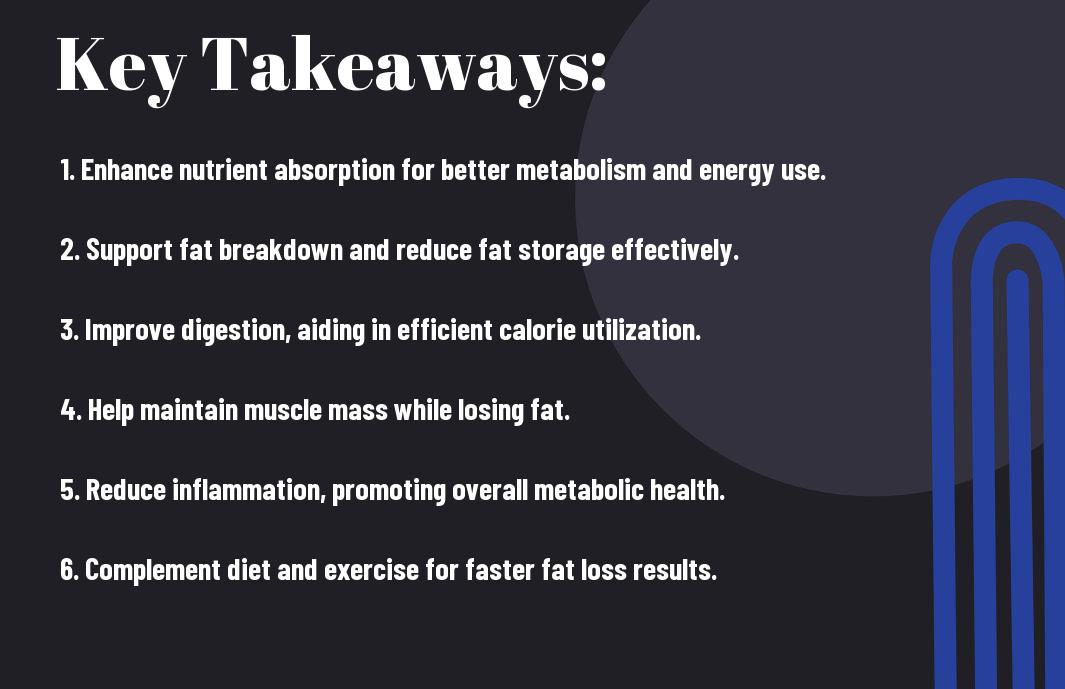
- Nutrient absorption supplements can improve the efficiency of nutrient uptake in the body, which supports overall metabolic processes important for fat loss.
- These supplements may help address deficiencies that can impede weight loss efforts, ensuring that the body has the necessary nutrients for optimal energy levels and fat metabolism.
- Combining nutrient absorption supplements with a balanced diet and regular exercise can enhance the effectiveness of a fat loss regimen, promoting healthier and sustainable results.
The Biochemistry of Nutrient Absorption
How Nutrient Absorption Impacts Metabolism
Nutrient absorption significantly influences your metabolism, the complex web of biochemical processes that convert food into energy. When you consume food, your body breaks it down into macronutrients—carbohydrates, proteins, and fats—which are important for energy production and overall bodily functions. If the absorption of these nutrients is inefficient, your body may not harness the energy it requires, leading to sluggishness and difficulty in maintaining a healthy weight. Studies show that improving nutrient uptake can enhance your metabolic rate by optimizing how your body utilizes calories. For instance, those who take nutrient absorption supplements often report increased energy levels and improved exercise performance, correlating with better weight management outcomes.
Your metabolic rate can also be affected by the specific nutrients available. Certain vitamins and minerals function as co-factors in metabolic pathways, facilitating processes such as fat oxidation and glucose regulation. For example, magnesium plays a pivotal role in energy production by activating ATP, the primary energy currency of your cells. When nutrient absorption is suboptimal, you may find that your body struggles to perform these necessary functions, which not only dampens your energy levels but can also inhibit your weight loss efforts.
The Role of Enzymes in Nutrient Breakdown
Enzymes act as biological catalysts, accelerating chemical reactions necessary for breaking down food into absorbable components. Each macronutrient requires specific enzymes to be properly digested; for instance, proteases work on proteins, lipases on fats, and amylases on carbohydrates. These enzymes operate in various parts of your gastrointestinal tract, beginning in the mouth and continuing through the stomach and intestines. If you lack sufficient enzyme activity—due to dietary deficiencies or health issues—your body may not efficiently process nutrients, leading to poor absorption. This deficiency can prevent you from gaining the full nutritional benefits of your meals, thereby hindering effective fat loss.
The effectiveness of enzymes is typically influenced by several factors, including pH levels, substrate concentration, and the presence of inhibitors. In some cases, age or lifestyle choices, such as high-stress levels and imbalanced diets, can impact enzyme production. Supplementing with specific enzymes can address these inefficiencies by enhancing your digestive capacity. Incorporating these enzyme-focused supplements into your routine can ensure that your body breaks down food effectively, maximizing nutrient availability and consequently boosting your fat loss efforts.
Fat Loss and Nutrient Utilization
The Connection Between Nutrient Absorption and Fat Mobilization
Your body relies heavily on nutrient absorption for optimal functioning, particularly when it comes to fat loss. Efficient absorption of macronutrients like carbohydrates, proteins, and fats directly impacts how your body mobilizes stored fat for energy. If your digestive system is not effectively absorbing nutrients, you may find it challenging to achieve significant fat loss despite maintaining a calorie deficit. For instance, low levels of micronutrients such as *zinc* and *magnesium* can impair metabolic pathways involved in fat oxidation, slowing your fat loss progress. This correlation underscores the importance of a well-functioning digestive system in the pursuit of your weight loss goals.
Nutrients That Enhance Fat Oxidation
Several key nutrients encourage the process of fat oxidation, making them valuable allies in your weight loss journey. *L-Carnitine*, for instance, has established itself as an effective supplement that helps transport fatty acids into the mitochondria of your cells, where they are burned for fuel. Studies have shown that individuals supplementing with L-Carnitine often experience enhanced fat oxidation rates during exercise, leading to improved weight loss results. Additionally, there are *B vitamins*, specifically B3 (niacin) and B6, that play supportive roles in the metabolic processes that convert nutrients into usable energy.
Another important player in fat oxidation is *green tea extract*, which contains catechins like EGCG that have been associated with increased metabolic rates and enhanced fat burning. Research has demonstrated that these compounds may bolster the effects of aerobic exercise, leading to a more significant reduction in fat mass over time for individuals who include green tea extract in their regimen. This potentiation of fat oxidation mechanisms exemplifies how crucial nutrients and supplements can influence your body’s ability to burn fat effectively.
Supplement Efficacy: Bridging Gaps in Nutritional Intake
Identifying Deficiencies and Their Impact on Weight Loss
Nutrient deficiencies can significantly impede your fat loss efforts. An inadequate intake of vitamins and minerals affects metabolic processes, hindering the body’s ability to burn fat efficiently. For instance, a deficiency in vitamin D has been linked to increased fat accumulation, while low levels of magnesium can disrupt energy production and decrease overall exercise performance. These deficiencies not only stall weight loss but can also lead to cravings that push you toward unhealthy food choices. Comprehensive blood testing can help you identify specific nutrient gaps, allowing targeted supplementation to restore balance and facilitate your weight loss journey.
Incorporating nutrient absorption supplements tailored to address these deficiencies can enhance your overall metabolic efficiency. If you lack crucial nutrients, your body may experience heightened stress responses, including elevated cortisol levels, which have been associated with increased fat stores, particularly around the abdomen. By proactively managing deficiencies, you equip your body to optimize fat oxidation and minimize the hurdles often encountered during weight loss attempts.
Key Ingredients That May Aid Absorption and Weight Loss
Certain ingredients in nutrient absorption supplements have been shown to support both nutrient uptake and fat loss. For example, compounds like black pepper extract, or piperine, can enhance the bioavailability of various vitamins and minerals, making them more effective in your body. Another notable aid is ginger, which not only assists in nutrient absorption but also has thermogenic properties that help increase metabolic rate. Additionally, probiotics play a vital role in gut health, improving digestion and facilitating better nutrient uptake, which can lead to more effective fat loss.
Research has illustrated that combining these ingredients can yield significant improvements in both nutrient absorption and weight management. For instance, a study demonstrated that individuals supplementing with a blend of piperine and specific vitamins experienced accelerated fat loss compared to those who did not. By incorporating these potent ingredients into your supplementation regime, you can bolster your body’s capability to absorb nutrients effectively while simultaneously supporting your fat loss goals.
Real-World Implications: Who Should Consider Supplements?
Evaluating Individual Needs and Health Status
Understanding your personal health profile is crucial when considering nutrient absorption supplements for fat loss. Individual dietary patterns, existing health conditions, and lifestyle factors all play a role in determining whether supplements are a sound addition to your regimen. For example, if you find yourself frequently fatigued or unable to maintain energy during workouts, you may have specific vitamin or mineral deficiencies that are hindering your fat loss progress. A simple blood test can highlight deficiencies in key nutrients such as vitamin D, magnesium, or B vitamins, which can directly impact your metabolic processes and overall energy levels.
Additionally, certain populations might benefit more from supplementation than others. Athletes engaged in intense training, adults over the age of 50, and individuals following restrictive diets such as veganism may find themselves at a higher risk for nutrient deficiencies, thus making supplements a valuable strategy in their fat loss efforts. Whether you’re trying to drop a few pounds or significantly alter your body composition, a comprehensive evaluation of your nutritional needs should precede any decision-making related to supplementation.
Integrating Supplements into a Holistic Fat Loss Strategy
Choosing to integrate supplements should not be viewed as a standalone solution; rather, they should complement a balanced diet and a sustainable exercise program. Supplements can facilitate fat loss by maximizing nutrient absorption and ensuring that your body operates at its optimal level, but they work best when paired with mindful eating habits and regular physical activity. For instance, incorporating high-protein meals rich in whole foods alongside your supplements can enhance your metabolism and satiety, ultimately aiding weight loss effectiveness.
To achieve a holistic approach, focus on maintaining a well-rounded diet that includes healthy fats, complex carbohydrates, and a variety of fruits and vegetables. This provides not only the necessary substrates for energy and recovery but also lays the groundwork for maximizing the absorption of any supplements you might be using. By viewing your fat loss journey through a multidimensional lens and being intentional about your choices, you can amplify the results you achieve with supportive nutrient absorption supplements.
Debunking Myths: The Truth About Quick Fixes
Separating Fact from Fiction in Nutrient Absorption
Your journey towards effective fat loss is often clouded by myths surrounding nutrient absorption supplements. Many believe that simply popping a pill can lead to miraculous results, but this notion is misleading. Evidence suggests that while certain supplements can aid in filling dietary gaps, they are not substitutes for healthy eating habits. For instance, a study published in the *American Journal of Clinical Nutrition* found that individuals relying solely on supplements without proper nutrition experienced only marginal benefits in nutrient absorption compared to those who adhered to a balanced diet. Supplements serve as a bridge rather than a shortcut; without the foundation of whole foods, your body may still struggle to fully utilize these nutrients.
Furthermore, the efficacy of these supplements greatly depends on various factors such as your age, metabolism, and existing health conditions. For example, an individual with a healthy gut microbiome may absorb nutrients more effectively from food than someone with gastrointestinal issues. Therefore, understanding how your body interacts with these supplements is key to maximizing their potential. Instead of looking for a quick fix, focus on enhancing your dietary choices to facilitate better absorption and ultimately, fat loss.
The Risks of Over-Reliance on Supplements for Weight Loss
Over-relying on supplements can lead to a false sense of security that sometimes detracts from the underlying principles of weight loss. Many people fall into the trap of thinking that supplementation alone will compensate for poor dietary choices, risking both health and long-term results. Consuming products with claims of rapid weight loss could also expose you to harmful ingredients, as the supplement industry is not as tightly regulated as traditional pharmaceuticals. A 2021 review highlighted instances where popular weight loss supplements contained banned substances, posing serious health risks to users.
Your body requires a multifaceted approach to weight loss for lasting changes. Supplements might play a supportive role, but they cannot replace the fundamental need for nutrient-rich foods and regular exercise. Adopting healthier eating habits and creating a sustainable lifestyle are far more effective strategies in achieving your weight loss goals, ensuring not only immediate results but also long-term health benefits.
Final Words
Conclusively, understanding the role of nutrient absorption supplements in effective fat loss can offer you a strategic advantage in your wellness journey. These supplements can enhance the body’s ability to absorb vital nutrients that support metabolism, energy levels, and overall health. By helping you optimize your nutrient intake, they can assist in creating an environment where fat loss is more feasible and sustainable. However, it’s important to complement these supplements with a balanced diet and regular exercise for maximum effect.
Moreover, while nutrient absorption supplements can provide benefits, they should not replace whole foods that are naturally rich in vitamins and minerals. The key is to integrate these supplements into your regimen thoughtfully, ensuring that you also focus on healthy dietary choices. By doing so, you can maximize your fat loss efforts and foster long-term health improvements. Ultimately, these supplements can be a valuable tool in your weight management arsenal when used wisely and in conjunction with a holistic approach to health and wellness.
FAQ
Q: What are nutrient absorption supplements?
A: Nutrient absorption supplements are products designed to enhance the body’s ability to absorb vitamins, minerals, and other imperative nutrients from the food we consume. These supplements often contain enzymes, probiotics, or other compounds that facilitate digestion and assimilation, ensuring that the body gets the maximum benefits from the nutrients ingested.
Q: How do nutrient absorption supplements contribute to fat loss?
A: By improving the efficiency of nutrient uptake, these supplements can help support metabolic processes that are involved in fat burning. When the body effectively absorbs imperative nutrients, it can optimize energy levels, enhance muscle function, and regulate appetite. This optimized physiology can lead to better fat utilization during workouts and daily activities, thereby supporting weight loss efforts.
Q: Are nutrient absorption supplements necessary for everyone looking to lose fat?
A: Not necessarily. While these supplements can be beneficial for those with specific dietary deficiencies or digestive issues, many individuals can achieve effective fat loss through a balanced diet rich in whole foods. It is important to evaluate one’s individual needs and consider consulting a healthcare professional before starting any supplementation regimen.
Q: What types of nutrients are most commonly included in absorption supplements?
A: Common nutrients found in absorption supplements include B vitamins, magnesium, zinc, and various digestive enzymes. Some supplements also feature probiotics to promote gut health, which is increasingly recognized as an important factor in overall nutrition and weight management. Each of these components plays a role in digestion and metabolic functions.
Q: Are there any side effects associated with nutrient absorption supplements?
A: While most nutrient absorption supplements are considered safe for general use, individuals may experience side effects such as gastrointestinal discomfort or allergic reactions, especially if they have existing sensitivities to certain ingredients. It’s advisable to start with a lower dose and monitor for any adverse effects, and to seek medical advice if uncertain about compatibility with existing health conditions or medications.