
28 June 2025
In What Ways Do Vitamins A, B6, And B12 Contribute To Overall Wellbeing?
With vital vitamins playing a pivotal role in your health, understanding the benefits of Vitamins A, B6, and B12 can profoundly impact your overall wellbeing. These vitamins are critical for immune function, energy production, and mental health. Vitamin A supports your vision and skin health, while B6 aids in brain development and mood regulation, and B12 is vital for red blood cell formation and neurological function. Integrating these vitamins into your diet can empower you to maintain optimal health and vitality.
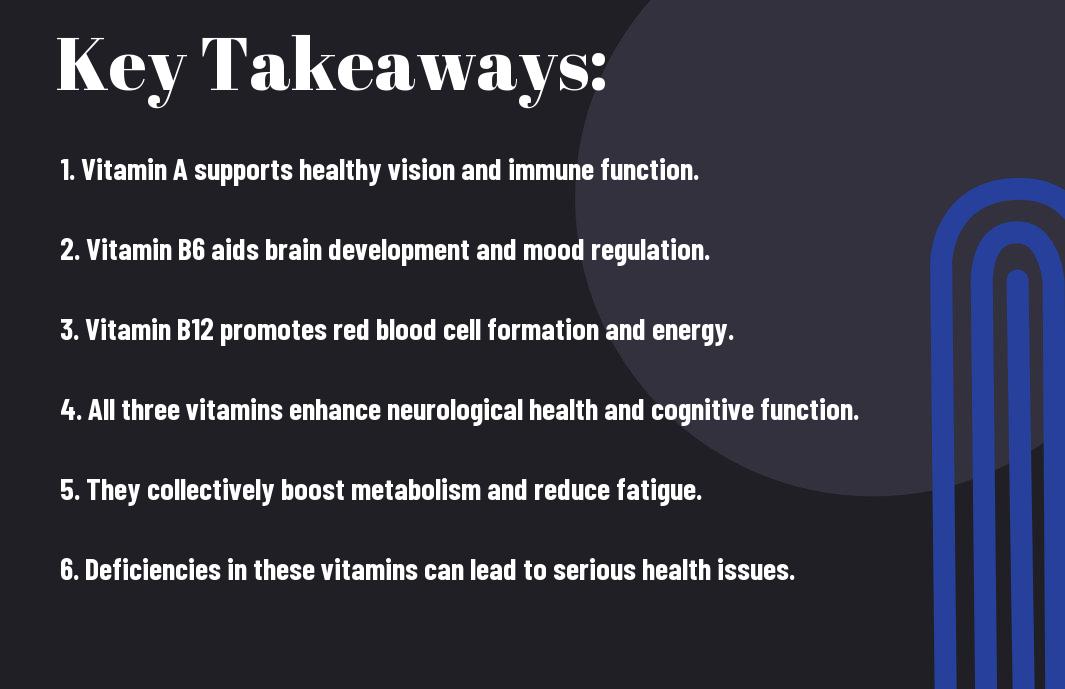
Key Takeaways:
- Vitamin A plays a vital role in maintaining healthy vision, supporting immune function, and promoting skin health.
- Vitamin B6 is important for brain health, aiding in neurotransmitter production and helping regulate mood and cognitive functions.
- Vitamin B12 is important for red blood cell formation and DNA synthesis, and it supports nerve function and energy production in the body.
The Multifaceted Role of Vitamin A in Health
Vision and Eye Health: Beyond the Basics
Your eyes require Vitamin A to function properly, particularly for converting light into signals that the brain can interpret. This vitamin is a key element in the formation of rhodopsin, a pigment found in the retina that enables you to see in low-light conditions. A deficiency can lead to night blindness, which affects your ability to navigate in dimly lit environments. Remarkably, countries that fortify staple foods with Vitamin A report significant reductions in rates of blindness among children. Furthermore, antioxidants such as beta-carotene, which your body converts into vitamin A, help combat oxidative stress that can lead to age-related macular degeneration, a leading cause of vision loss as you age.
Immune Function and Skin Integrity: The Unsung Heroes
Significant for your immune system, Vitamin A strengthens the barriers within your body, from your skin to the linings of your lungs, intestines, and urinary tract. These barriers act as the first line of defense against infections. Studies reveal that individuals with adequate Vitamin A levels are less susceptible to respiratory infections, affirming the vitamin's role in enhancing your immune response. Beyond its protective qualities, Vitamin A contributes to skin health by supporting the production of skin cells and maintaining moisture levels. A deficiency can lead to dry skin, conditions like eczema, and increased susceptibility to skin infections.
As you consider the implications of Vitamin A on skin integrity, it's notable that specific forms of this vitamin, such as retinol, are prevalent in skincare products designed to improve texture and combat signs of aging. By promoting cell turnover and collagen production, Vitamin A helps your skin maintain its youthful appearance. Thus, ensuring you consume adequate amounts of Vitamin A not only supports your internal health but also enhances the external aspects of your appearance.
Vitamin B6: The Essential Player in Metabolism and Emotion
Neurotransmitter Synthesis: Bridging Brain Chemistry
Vitamin B6 plays a pivotal role in the synthesis of neurotransmitters, which are the chemical messengers that communicate signals in the brain. This vitamin is involved in producing several necessary neurotransmitters, including serotonin, dopamine, and norepinephrine. Having adequate levels of B6 can significantly enhance your mental clarity and mood stabilization. Studies reveal that individuals with lower levels of B6 often report higher instances of mood swings and emotional disturbances, illuminating the connection between vitamin B6 and emotional wellness.
Furthermore, serotonin, often referred to as the “feel-good” hormone, is synthesized in the presence of Vitamin B6. Enhanced serotonin levels can lead to improved moods and decreased feelings of anxiety or depression. If you find yourself feeling frequently fatigued or emotionally drained, assessing your intake of vitamin B6 may be worth considering. Incorporating foods rich in this vitamin, such as poultry, fish, potatoes, and bananas, can significantly influence your neurotransmitter health and overall mood.
Balancing Hormones: A Key to Emotional Wellbeing
Your emotional wellbeing is strongly tied to hormonal balance, and vitamin B6 plays a significant role in regulating this balance. It assists in the synthesis of hormones that manage stress and emotional responses, contributing to a more harmonious mental state. In particular, B6 is involved in the metabolism of steroid hormones, including cortisol, which gets released during stressful situations. By ensuring that you have sufficient B6 levels, you can help facilitate a calm response to life's challenges.
The relationship between vitamin B6 and hormonal regulation extends beyond mere stress management. For instance, premenstrual syndrome (PMS) has been linked to low levels of this vitamin. Women experiencing PMS symptoms have reported improved moods and reduced irritability when supplemented with vitamin B6. This indicates that adequate intake can serve as a natural method to stabilize mood swings associated with hormonal fluctuations throughout the menstrual cycle.
Notably, the benefits of balancing hormones with vitamin B6 don't stop at PMS. Elevated levels of this vitamin can lead to better management of symptoms related to menopause or other hormonal changes in life. By focusing on a diet that includes necessary amounts of vitamin B6, you take a proactive step toward promoting emotional stability, ensuring that your responses to daily stresses are healthier and more manageable.
The Vital Impact of Vitamin B12 on Energy and Cognition
Red Blood Cell Formation: Fueling Physical Resilience
Vitamin B12 plays an imperative role in producing red blood cells, which are responsible for transporting oxygen throughout your body. A deficiency in this vitamin can lead to anemia, characterized by fatigue, weakness, and a general sense of lethargy, making daily tasks feel monumental. The formation of healthy red blood cells ensures that your muscles and organs receive adequate oxygen, allowing you to engage in physical activities with improved stamina and vitality.
Moreover, the ability of your body to regenerate red blood cells declines with age, placing older adults at a higher risk for B12 deficiency. This importance is further underscored for those on strict vegetarian or vegan diets, where dietary sources of B12 from animal products are limited. Supplementation or fortified foods become vital tools to ensure your body has the necessary fuel for maintaining energy levels and overall resilience.
Cognitive Function and Mental Clarity: Unveiling the Connection
Beyond physical health, Vitamin B12 significantly contributes to cognitive function. Studies have linked adequate B12 levels to enhanced memory, concentration, and overall mental clarity. A deficiency in this vital nutrient may lead to symptoms like forgetfulness, confusion, and even mood disturbances, negatively affecting your quality of life. It's not just about feeling sharp; your neurological health hinges on adequate B12, as it supports the production of neurotransmitters that facilitate communication between brain cells.
Additional research indicates that individuals with higher B12 levels tend to have a lower risk of cognitive decline as they age. Maintaining optimal B12 levels may protect your brain from neurodegenerative diseases such as Alzheimer's. Considering the consequences of low B12 levels, incorporating sources like fish, poultry, eggs, or fortified foods into your diet is imperative for sustaining mental clarity and overall cognitive health.
The clear connection between Vitamin B12 and cognitive performance accentuates the need to evaluate your dietary intake actively. As your body and mind feel the impacts of aging or dietary restrictions, proactive measures, such as supplementation or choosing B12-rich foods, can drastically enhance your quality of life. Prioritizing this vitamin could unfold untapped potential in both your physical activities and mental agility.

The Synergistic Benefits of A, B6, and B12: A Triumvirate for Optimal Health
Immune Defense and Repair: A Comprehensive Approach
Vitamins A, B6, and B12 collectively enhance your immune defense by supporting the production of white blood cells, which play a pivotal role in combating infections and diseases. Vitamin A is known for boosting the protective barriers in your body, reinforcing epithelial tissues that serve as the first line of defense against pathogens. Moreover, adequate levels of vitamin B6 are crucial for maintaining an optimal immune response; research indicates that this vitamin aids in the production of antibodies, which directly target and neutralize foreign invaders. With the partnership of vitamin B12, these vitamins create a robust defense system, promoting overall health through their combined action.
The synergy doesn't stop at simply fighting off illness; these vitamins also play a role in healing and repair. For instance, vitamin A supports skin integrity and promotes wound healing, while B6 and B12 are integral in synthesizing DNA, ultimately contributing to cellular repair processes. Together, they not only enhance your body's resilience against diseases but also assist in regenerating tissues, enabling faster recovery from ailments and injuries.
Mood Regulation and Mental Health: The Triad Effect
A strong connection exists between vitamins A, B6, and B12 and your emotional well-being. Vitamin B6 plays a significant role in the synthesis of neurotransmitters, such as serotonin and dopamine, which are vital for regulating mood and emotional states. Multitudes of studies have shown that a deficiency in B6 can lead to increased feelings of depression and anxiety. Coupled with vitamin B12, which supports neurological function and overall brain health, you gain a more resilient mental state. Meanwhile, vitamin A supports brain health by influencing the visual processing and cognitive function areas, ensuring a holistic approach to mental wellness.
Research highlights the potential for these vitamins to mitigate mood disorders, forming what resembles a triad effect that works synergistically to enhance mental clarity and emotional balance. With proper levels of A, B6, and B12, answers to complex conditions like depression or anxiety can evolve into structured solutions, as they collaboratively maintain your overall psychological health.
The interplay of these vitamins forms a protective umbrella over your mind, seamlessly blending the effects of mood stability and cognitive function. Studies have demonstrated that individuals who maintain adequate levels of B vitamins tend to experience lower incidences of mental health issues. This reinforces the significance of integrating sources of vitamins A, B6, and B12 into your diet, such as leafy greens, nuts, and animal products, to foster optimal mental health and resilience. Embracing this triad in your nutritional strategy lays a foundation for not only physical vigor but also emotional strength and clarity.Practical Approaches to Incorporate These Vitamins into Your Diet
Food Sources: A Guide to Nutrient-Rich Choices
Including vitamins A, B6, and B12 in your diet can be both enjoyable and nutritious. For Vitamin A, look for foods that are rich in beta-carotene, such as carrots, sweet potatoes, spinach, and kale. Animal sources like liver, fish, and dairy products also provide preformed Vitamin A, ensuring that your body has access to this vital nutrient. Vitamin B6 can be found in abundance in chickpeas, beef liver, tuna, and potatoes. To boost your Vitamin B12 intake, focus on shellfish, meat, eggs, and dairy, as these animal sources are the most reliable providers of this imperative vitamin.
Consider diversifying your meals to incorporate these nutrients. A colorful salad loaded with spinach, carrots, and chickpeas can be a delightful way to enhance your Vitamin A and B6. If you enjoy seafood, a tuna salad could serve the dual purpose of providing B6 and B12. Use herbs like parsley and basil in your cooking; they not only add flavor but can also contribute more vitamins. Meal prepping or planning meals around these food sources can simplify your dietary goals while maximizing nutrient intake.
Supplementation Considerations: When, Why, and How
Sometimes, despite your best efforts, your diet may still fall short in delivering the adequate quantities of vitamins A, B6, and B12 that your body needs. Supplementation may become necessary, especially for those with dietary restrictions, such as vegetarians or vegans, who might struggle to obtain enough B12 from plant-based sources alone. In these cases, multivitamins that contain these vitamins or individual supplements tailored to your specific needs can help bridge the gap. Consult with a healthcare provider to determine the right dosage for your lifestyle and health condition.
Timing can make a difference when it comes to supplementation. Taking fat-soluble vitamins like A with meals that include healthy fats can enhance absorption. For B vitamins, especially if they're linked to energy metabolism, morning or lunchtime consumption might align better with your active hours. Your healthcare provider can also advise you on how to integrate these supplements without conflicting with other medications you may be taking, ensuring that your approach is both safe and effective.
To wrap up
On the whole, understanding the role of vitamins A, B6, and B12 in your health can significantly enhance your overall wellbeing. Each of these vitamins supports various bodily functions, from maintaining healthy vision to boosting your immune system and optimizing energy production. Ensuring you get adequate amounts of these crucial nutrients can help you feel more energized, improve your mood, and support your mental clarity. By incorporating sources of these vitamins into your diet through whole foods or supplements, you can take proactive steps toward enhancing your health.
Ultimately, focusing on the intake of vitamins A, B6, and B12 is more than just addressing deficiencies; it's about empowering yourself to lead a healthier life. By evaluating your dietary habits and possibly consulting with a healthcare professional, you can make informed choices that align with your body's needs. A well-rounded diet rich in these vitamins can pave the way for sustained wellbeing, allowing you to thrive both physically and mentally.
FAQ
Q: How does Vitamin A support vision health?
A: Vitamin A plays an imperative role in maintaining healthy vision. It is a key component of rhodopsin, a protein in the eyes that allows us to see in low light conditions. Additionally, it helps in the maintenance of the cornea, the outermost layer of the eye, promoting overall eye health and potentially preventing conditions such as night blindness.
Q: What role does Vitamin B6 play in mood regulation?
A: Vitamin B6 is involved in producing neurotransmitters such as serotonin and dopamine, which are vital for mood regulation and emotional well-being. Adequate levels of Vitamin B6 can help reduce symptoms of depression and anxiety, contributing to a more balanced emotional state and overall mental health.
Q: How does Vitamin B12 contribute to energy levels?
A: Vitamin B12 is imperative for energy production in the body. It helps convert carbohydrates into glucose, which is used as energy. Additionally, it is important for the health of red blood cells, which transport oxygen throughout the body, preventing feelings of fatigue and weakness associated with deficiencies.
Q: In what ways does Vitamin A benefit the immune system?
A: Vitamin A is integral to the immune system as it helps maintain the integrity and function of mucous membranes, which are the body's first line of defense against pathogens. It also aids in the development and activity of immune cells, enhancing the body's ability to fight infections and illnesses.
Q: Can Vitamin B6 and B12 aid in cognitive function?
A: Yes, both Vitamin B6 and B12 are vital for cognitive health. Vitamin B6 supports neurotransmitter synthesis and function, while Vitamin B12 is necessary for the maintenance of myelin, the protective sheath around nerve cells. Adequate levels of these vitamins can help improve memory, attention, and overall cognitive performance, especially in older adults.