
22 June 2025
How Can Zinc And Selenium Synergistically Fortify Your Immune Defense?
Most people underestimate the impact of important minerals like zinc and selenium on their immune health. These two nutrients not only support your body's defenses against infections but also work together in a synergistic manner to enhance your overall immune response. By incorporating adequate amounts of zinc and selenium into your diet, you can significantly bolster your immune system, reduce inflammation, and improve your resilience against various pathogens. Understanding how these minerals interact can empower you to make informed dietary choices that promote long-lasting health.
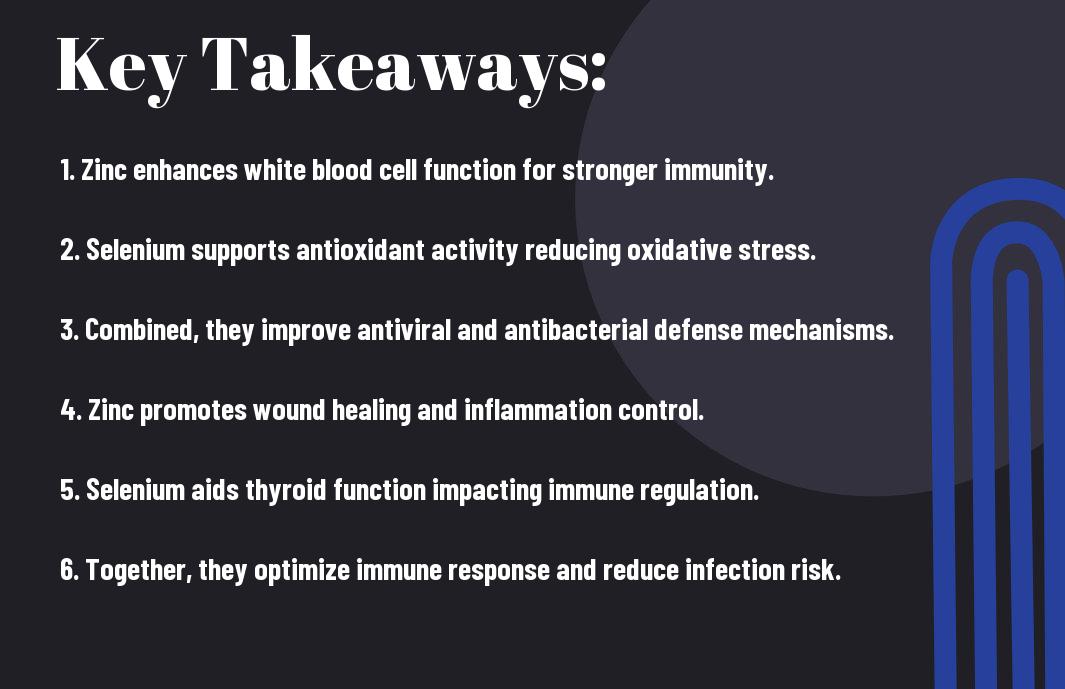
Key Takeaways:
- Zinc and selenium work together to enhance immune system function, promoting better responses to infections and reducing inflammation.
- Both minerals play a vital role in the development and activity of immune cells, helping to improve the body's overall defense against pathogens.
- Incorporating zinc and selenium-rich foods or supplements into your diet may help strengthen immune resilience, particularly during times of illness or stress.
The Vital Roles of Zinc and Selenium in Immune Function
Zinc: The Immune System's Powerhouse
Your body relies heavily on zinc as a fundamental element for maintaining optimal immune function. This mineral plays a pivotal role in the development and activation of T-lymphocytes, the cells responsible for orchestrating an immune response against pathogens. Without sufficient zinc, you may experience reduced ability to fend off infections, making you more susceptible to illnesses. Studies have shown that zinc deficiency can lead to immune dysfunction, leaving your body unable to produce adequate antibodies and cytokines necessary for a robust immune response.
In addition, zinc acts as a protective agent for your cells against oxidative stress. By stabilizing cell membranes and regulating gene expression, it supports cellular integrity during inflammatory responses. In fact, research has demonstrated that adequate zinc levels can help shorten the duration and severity of colds by promoting the activity of immune cells such as neutrophils and macrophages, which are vital for fighting off viral and bacterial invasions.
Selenium: The Antioxidant Sharpshooter
Selenium serves as an necessary antioxidant, helping to neutralize free radicals that can cause cellular damage and impede your immune response. This mineral is integral in the synthesis of selenoproteins, which are crucial for immunological health. These proteins bolster your body's defenses against infections by enhancing the functionality of your immune cells. Numerous studies have shown that adequate selenium levels are linked to more effective immune responses, including a heightened ability to combat viral infections.
Additionally, selenium can modulate inflammation, ensuring that your immune system does not overreact to minor threats. Overactive immune responses can lead to chronic inflammation, which has been associated with numerous health issues, including autoimmune diseases. It's noteworthy that populations with adequate selenium intake, such as those from certain regions with selenium-rich soil, often report lower rates of infection and improved immune health. Ensuring you forage adequate amounts of this mineral can provide significant protection against pathogen assaults.
Moreover, maintaining optimal selenium levels can enhance the efficacy of vaccinations. An intriguing study found that individuals with sufficient selenium showed a better immune response to vaccines. This suggests that well-rounded immune support from selenium is not merely about preventing illness but also about efficiently arming your body to respond to future challenges, thus positioning selenium as a vital player in your overall health strategy.
The Synergistic Effect: How Zinc and Selenium Work Together
The combined influence of zinc and selenium in your immune system is nothing short of remarkable, as these two important minerals engage in complementary pathways that bolster your body's defenses. Zinc plays a significant role in the development and function of T-cells, which are vital for orchestrating immune responses. Selenium, meanwhile, acts as an antioxidant, neutralizing free radicals and protecting your cells from oxidative damage. Together, they create a robust network that enhances your immune functionality, ensuring that your body can effectively respond to various threats.
Complementary Pathways in Immune Response
Your immune system functions like a finely tuned orchestra, with zinc and selenium co-conducting the various sections of this biological symphony. Zinc's involvement in gene expression supports the production of important signaling molecules like cytokines, which are important for immune cell communication. At the same time, selenium reinforces this process by supporting the activity of proteins, such as selenoproteins, that repair oxidative damage. Their collaboration means that when you have an ample intake of both minerals, your immune cells can communicate more effectively and mount a stronger defense against invaders.
Enhanced Defense Against Pathogens
As far as combating pathogens, the partnership between zinc and selenium significantly boosts your immune resilience. Studies have shown that zinc deficiency can lead to an increased susceptibility to infections, while selenium is crucial for the proliferation of antibody-producing B-cells. This means that when you ensure sufficient levels of both minerals, you create an environment where your body is more adept at recognizing and eliminating harmful microorganisms.
Recent research highlights that individuals with adequate levels of both zinc and selenium exhibit a stronger immune response to infections such as influenza and other respiratory illnesses. For example, a study published in the *American Journal of Clinical Nutrition* indicated that participants with higher selenium levels had a reduced incidence of upper respiratory infections and better immune outcomes during cold seasons. By supporting the intricate interplay between these minerals, you can significantly enhance your body's ability to fend off infections and stay healthy year-round.
Nutritional Sources of Zinc and Selenium
Top Food Sources for Optimal Intake
Incorporating a variety of foods into your diet can easily help you achieve optimal levels of both zinc and selenium. For zinc, consider foods such as oysters, which are among the richest sources, delivering up to 74 mg per serving. Other excellent sources include red meat, poultry, beans, nuts, whole grains, and dairy products. Especially for vegetarians, legumes and seeds can offer a plant-based alternative, but be aware that the bioavailability of zinc in plant foods is lower due to factors like phytates, which can inhibit absorption.
Selenium is prevalent in foods like Brazil nuts, where just one ounce can provide over 700% of the daily recommended intake. Fish, particularly tuna and sardines, are also rich sources, along with meats, eggs, and certain grains. Incorporating a balanced amount of these foods into your daily meals ensures not only that you support your immune function but also that you enjoy a well-rounded and nutritious diet.
Supplementation Considerations and Guidelines
While obtaining zinc and selenium from dietary sources is preferable, supplementation may be beneficial in specific situations, such as for individuals with dietary restrictions or certain medical conditions. The recommended dietary allowance (RDA) for zinc is 11 mg per day for men and 8 mg for women, while selenium's RDA is 55 mcg for adults. Ensure to consult with a healthcare provider before starting supplements, particularly when taking high doses, as excessive zinc can lead to toxicity, causing nausea and headaches, and high selenium levels can result in selenosis, characterized by symptoms like gastrointestinal disturbances and fatigue.
Choosing the right supplements can significantly impact their efficacy; opt for forms like zinc picolinate or L-selenomethionine, which have shown higher bioavailability. Pay attention to your overall dietary intake to avoid exceeding safe levels, as both nutrients play necessary roles and should be balanced within your diet. Regular monitoring through blood tests can be helpful to maintain optimal levels as you navigate supplementation options.
Real-World Implications: Strengthening Immune Health
The Impact on Chronic Illnesses and Infections
Research shows that inadequate levels of zinc and selenium can lead to a compromised immune response, making you more susceptible to conditions like diabetes, cardiovascular diseases, and respiratory infections. In patients with chronic illnesses such as rheumatoid arthritis or chronic obstructive pulmonary disease (COPD), supplementation of these imperative nutrients has led to significant improvements in immune markers and overall health outcomes. For example, one study found that patients with rheumatoid arthritis who supplemented with selenium showed a reduction in disease activity and an enhancement in their overall immune response.
Your immune system's defense against infections also gets a boost from adequate levels of these minerals. Zinc helps in the production of immune cells, while selenium is known to generate protective antibodies. An interesting statistic reflects that individuals with lower selenium levels experienced a 50% increased risk of contracting infectious diseases compared to those with adequate levels. This relationship suggests that maintaining optimal levels of these nutrients is vital for both preventing infections and managing chronic health issues.
Case Examples of Successes in Immune Defense
Several case studies illustrate the positive impact of zinc and selenium on immune health. For instance, a clinical trial involving elderly patients showed that a daily intake of a zinc and selenium supplement led to a substantial decrease in the occurrence of infections, with participating individuals reporting significantly fewer hospital visits due to illnesses. Additionally, another case documented improvements in immune responses in HIV-positive individuals when they incorporated these two vital minerals into their daily regimen, leading to better health outcomes.
A particularly compelling case revolves around a family of athletes who experienced a high incidence of colds and upper respiratory infections every winter. After implementing a routine that included zinc and selenium supplementation, they noted a drastic decrease in their susceptibility to winter ailments and an overall boost in their training capacities. This suggests that even individuals not suffering from chronic illnesses can benefit from these minerals, enhancing their immune defenses and ensuring optimal performance in their daily lives.

Future Perspectives on Zinc and Selenium Research
Emerging Studies on Immune Fortification
New research is continuously unveiling the depth of interactions between zinc, selenium, and the immune system. For instance, studies conducted in controlled environments reveal that individuals receiving adequate levels of both minerals exhibit significant improvements in immune markers, such as a higher count of circulating T-cells and enhanced antibody production after vaccination. One groundbreaking study published in a leading immunology journal highlighted that participants supplemented with a combination of zinc and selenium saw a 20% increase in their overall immune response compared to those receiving only a placebo. Such findings illustrate that not only do these minerals function independently, but synergistically, they can amplify your immune responses at a molecular level.
Additionally, research is expanding into how dietary sources of these minerals compare to supplementation. A cohort study assessing dietary intake in older adults revealed that those consuming a diet rich in selenium and zinc—found in seafood, meats, beans, and nuts—demonstrated reduced incidences of infectious diseases. This reliance on natural food sources paves the way for further understanding the bioavailability and interactions among nutrients and how they contribute to immune fortification.
The Role of Personalized Nutrition in Immune Health
As the science of nutrition evolves, personalized approaches are emerging as pivotal to maximizing the benefits of zinc and selenium for immune health. Genomic studies indicate that genetic predispositions can significantly influence how your body absorbs and utilizes these trace minerals. For example, individuals with specific gene variants may require differing dosages of zinc and selenium to achieve optimal immune function. Tailoring your nutrient intake based on personal health data could mean a more effective defense against illness.
Factors such as age, sex, existing health conditions, and lifestyle choices all play roles in your nutrient needs. Personalized nutrition can guide you in determining the precise amounts and sources of zinc and selenium that will best suit your unique immune profile. Furthermore, advanced biomarker testing can provide insights into deficiencies and excesses, leading to customized dietary strategies that enhance your immune resilience.
Incorporating a personalized nutrition plan entails not just adjusting for zinc and selenium, but also ensuring that your overall diet is comprehensive and holistic. Nutritionists now suggest incorporating a variety of foods that synergistically support immune health, recognizing the interconnected nature of nutrients. Engaging with professionals who can interpret your individual health metrics brings you one step closer to a tailored approach that optimizes your defense against pathogens.
Summing up
From above, you can see how zinc and selenium work together to bolster your immune defenses effectively. By incorporating adequate amounts of these minerals into your diet, you enhance the functionality of your immune cells, promoting a more robust response to infections. Each plays a distinct role in cellular functions and antioxidant protection, providing your body with the necessary tools to fend off pathogens more efficiently. Whether it's through whole foods or supplements, ensuring you meet your daily requirements of these minerals can significantly impact your overall health.
Furthermore, it's worth noting that a balanced approach to nutrition is key. While zinc and selenium are powerful allies, they work best in conjunction with a healthy lifestyle that includes a variety of nutrients. By prioritizing your immune health through informed dietary choices, you may find yourself better equipped to handle seasonal illnesses and maintain your well-being throughout the year. So, take proactive steps to include sources of zinc and selenium in your diet, and enjoy the benefits of a fortified immune system.
FAQ
Q: What roles do zinc and selenium play in the immune system?
A: Zinc is vital for the development and function of immune cells, such as T-cells and macrophages, helping to regulate immune responses. Selenium, on the other hand, acts as an antioxidant, protecting cells from oxidative damage and supporting the production of certain immune-related proteins. Together, they enhance both the innate and adaptive immune responses, contributing to a stronger defense against pathogens.
Q: How does zinc enhance the function of selenium in immune defense?
A: Zinc plays a significant role in the metabolism of selenium. It influences the conversion of selenium into its bioactive form, selenoproteins, which are crucial for maintaining immune health. When zinc levels are sufficient, they can enhance the antioxidant capabilities of selenium, leading to improved resistance against infections and a more robust immune response.
Q: Are there specific food sources that provide both zinc and selenium?
A: Yes, several food sources are rich in both zinc and selenium. Foods such as oysters, beef, pumpkin seeds, lentils, and Brazil nuts are excellent options. Incorporating these foods into your diet can help ensure you receive adequate amounts of both minerals to support your immune system effectively.
Q: How do zinc and selenium deficiencies affect immune function?
A: Deficiencies in either zinc or selenium can significantly impair immune function. A lack of zinc can lead to reduced lymphocyte proliferation and weakened antibody responses, while a selenium deficiency can compromise the production of key antioxidant enzymes, increasing susceptibility to infections. It's important to maintain balanced levels of both minerals to support optimal immune defense.
Q: Can supplementation of zinc and selenium together improve immune health?
A: Supplementing with zinc and selenium together may improve immune health, particularly in individuals who have deficiencies in either mineral. However, it's advisable to consult a healthcare professional before starting any supplementation regimen, as excessive intake can lead to negative health effects. Proper assessment and guidance can ensure you achieve the desired immune support without adverse outcomes.