
5 July 2025
What Are The Best Strategies For Effective TRME Weight Management?
Weight management can be a challenging journey, especially when trying to achieve effective TRME (Total Resilience and Metabolism Enhancement). In this blog post, you will discover the best strategies to maintain a healthy weight while promoting overall well-being. You'll learn the significance of incorporating balanced nutrition, understanding physical activity, and fostering mental wellness into your daily routine. By applying these strategies, you'll be better equipped to manage your weight sustainably and achieve your health goals.
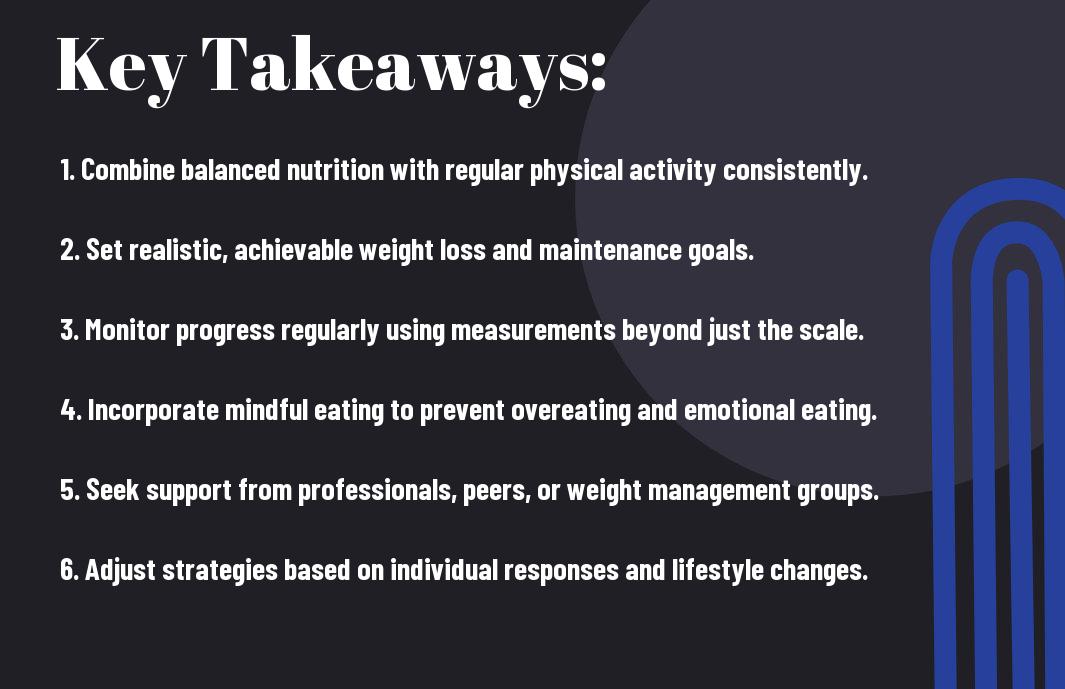
Key Takeaways:
- Establish a balanced diet that includes a variety of nutrient-rich foods to support overall health and weight management.
- Incorporate regular physical activity into your routine, aiming for both aerobic and strength training exercises to boost metabolism and maintain muscle mass.
- Monitor progress through consistent tracking of food intake, physical activity, and weight to identify patterns and make informed adjustments as needed.
The Psychological Framework of TRME Weight Management
Behavioral Triggers: Identifying Your Patterns
Understanding the behavioral triggers that influence your eating habits is a cornerstone of effective TRME weight management. These triggers can range from emotional responses such as stress or sadness to environmental cues like seeing certain foods or spending time with others who may be eating heavily. By taking time to reflect on the situations or feelings that lead to overeating, you gain valuable insights. For instance, you might notice that you tend to snack late at night when watching television, prompting you to reconsider your routine and set boundaries around food consumption during those times.
Keeping a journal that tracks your food intake alongside your emotions and activities can help reveal patterns over time. An example might be identifying that you crave high-sugar foods after long workdays as a way of rewarding yourself. Once you pinpoint these triggers, it becomes easier to develop strategies to either avoid these situations or find alternative outlets, such as engaging in physical activity or pursuing a hobby when cravings strike.
Setting Realistic Goals: The Power of Achievable Milestones
Establishing realistic goals is fundamental to maintaining motivation throughout your weight management journey with TRME. Aim for incremental milestones rather than drastic changes. For example, instead of setting a goal to lose 20 pounds in one month, breaking it down into manageable weekly targets—like losing 1-2 pounds—can be more effective. This not only provides a clearer pathway but also gives you a sense of accomplishment as you hit each target along the way.
The psychological benefits of setting smaller, achievable goals are significant. Celebration of these small victories fosters a positive feedback loop, reinforcing your commitment to your weight management strategy. You might reward yourself with non-food-related treats for each milestone you achieve, such as a new workout outfit or a fun outing. This approach maintains your commitment while allowing you to feel successful rather than daunted by the overall journey.
Achievable milestones also help create accountability in your weight management efforts. By regularly assessing progress toward your goals, you can adjust your actions and reaffirm your commitment. For instance, if you notice you've slowed down your rate of progress, you could revisit your daily schedules to identify potential areas for improvement. This ongoing monitoring empowers you to stay in control and navigate your TRME weight management with awareness and intention.

Nutritional Strategies for Sustaining Weight Solutions
Macronutrient Balancing: Finding Your Ideal Ratios
Understanding the role of macronutrients is key to fine-tuning your weight management strategy. Each macronutrient—proteins, carbohydrates, and fats—plays a unique role in your body. For example, proteins are vital for building and repairing tissues, carbohydrates serve as a primary energy source, and fats aid in hormone production and nutrient absorption. To find your ideal ratios, consider assessing your activity level and weight management goals. A common approach is the 40-30-30 ratio, where 40% of your daily caloric intake comes from carbohydrates, 30% from protein, and 30% from fats, but individual needs may vary based on personal factors. Tailoring these ratios according to your lifestyle can significantly influence your satiety levels and overall energy efficiency.
Meal Timing: Maximizing Metabolic Efficiency
Optimizing meal timing can have a profound effect on your metabolic rate and hunger cues. Studies suggest that spacing meals out throughout the day can help stabilize blood sugar levels and prevent excessive hunger. Consider adopting a pattern that works for your routine, such as eating five to six smaller meals compared to the traditional three larger meals. This approach can enhance feelings of satiety while keeping your metabolism active. Furthermore, research indicates that eating your largest meal earlier in the day, particularly within two hours of waking, can optimize energy usage and improve your body's natural rhythm in processing food.
Another effective technique is to incorporate intermittent fasting, which involves alternating cycles of eating and fasting. This strategy can improve metabolic flexibility and enhance fat oxidation, which is ideal for weight control. A popular method is the 16/8 approach, where you eat during an 8-hour window and fast for the remaining 16 hours of the day. By paying attention to your body's hunger and fullness cues while utilizing these meal timing practices, you can not only streamline your weight management efforts but also boost overall health and wellness. Creating a personalized meal schedule that aligns with your daily routine can lead to sustainable habits that support your weight management journey.
Exercise Regimens That Promote Long-Term Stability
Incorporating Resistance Training: Beyond Cardio
While cardiovascular exercises burn calories and improve heart health, resistance training plays a pivotal role in maintaining weight loss and enhancing body composition. Engaging in strength training at least two to three times per week can increase your muscle mass, which, in turn, elevates your resting metabolic rate. This means you'll continue to burn calories even when you're not exercising. Compound movements such as squats, deadlifts, and bench presses are particularly effective, recruiting multiple muscle groups and maximizing calorie expenditure. You can also incorporate bodyweight exercises like push-ups and pull-ups, making resistance training accessible regardless of your gym membership status.
Adding variability to your resistance training routine can keep you motivated and prevent plateaus. Strategies like circuit training or high-intensity interval training (HIIT) combine endurance and strength elements, providing a full-body workout in less time. These workouts can be tailored to your fitness level, making them sustainable in the long run. Research indicates that individuals who mix both cardio and strength training are more likely to maintain muscle mass and prevent excess fat accumulation over time, facilitating a more stable weight management journey.
The Importance of Consistency: Establishing a Routine
Establishing a consistent workout routine is imperative for long-term weight management success. Committing to exercise—even on days you may not feel like it—ensures that physical activity becomes a regular part of your lifestyle. To cultivate this discipline, consider scheduling your workouts as you would any important appointment. Whether it's a morning run or an evening gym session, dedicating specific times for exercise reinforces its priority in your daily life. This structure not only increases adherence but also fosters a habit that can pay off in both physical and mental health.
Consistency goes beyond just attending workouts; it encompasses finding joy in your chosen activities. Experiment with various forms of exercise—dance classes, hiking, swimming, or even team sports—to discover what you genuinely enjoy. Incorporating enjoyable activities into your routine ensures that it becomes less of a chore and more of a rewarding experience. Pairing these activities with a supportive community, whether it's through group classes or workout partners, can also enhance accountability and motivation, creating an environment conducive to long-term success.
The Role of Technology in Tracking and Progress
Utilizing technology effectively can significantly enhance your ability to manage weight through the TRME approach, offering insights that were previously challenging to obtain. One primary method of doing this is through a variety of apps designed specifically for tracking diet, exercise, and overall progress. These apps allow you to record your daily food intake, monitor your calorie consumption, and analyze your exercise routines in real-time, fostering a level of accountability that is difficult to achieve independently. Features like reminders and personalized goals keep you engaged and motivated, ensuring that you remain focused on your weight management journey.
Leveraging Apps for Accountability and Motivation
Your smartphone can be a powerful ally in your weight management efforts. Numerous apps provide interactive platforms where you can log meals, track workouts, and even connect with communities of like-minded individuals. For instance, MyFitnessPal not only lets you enter foods and exercises but also offers a visual representation of your calorie balance and nutrient intake. This immediate feedback can create motivation through the visualization of progress and milestones achieved. Social features within these apps allow you to share your journey with others, providing additional accountability that can prove vital during challenging periods.
Data-Driven Insights: Analyzing Your Progress
A deeper layer of understanding can be achieved by leveraging the data collected through these apps. By regularly reviewing your progress, you can identify trends that may not be obvious at first glance. For example, you might notice that your weight loss stalls after consistently consuming more carbohydrates than your allotted ratio. Insights like these enable you to tweak your dietary intake based on what the data suggests, developing a tailored approach suited to your unique physiology and lifestyle. This analytical approach fosters empowerment, as you remain actively engaged in your health journey while iteratively refining your strategies.
Embracing the analytical tools offered within these applications not only sharpens your awareness of what influences your weight management but also empowers you to make informed decisions. By tracking data points—such as daily caloric intake, exercise frequency, and even mood changes—you can pinpoint which habits contribute to your progress and which may be hindering your efforts. Furthermore, setting short-term and long-term goals based on these insights can help you maintain focus and drive, reinforcing your commitment to achieving your desired results.
Building a Supportive Community for Lasting Change
Creating a supportive community can significantly enhance your weight management journey. Surrounding yourself with like-minded individuals who share similar goals fosters an environment where growth and accountability thrive. This communal effort often leads to lasting changes in lifestyle choices, as every member motivates one another and celebrates progress together. You may find support groups in your area or online forums tailored to TRME weight management, where members frequently share tips, success stories, and even setbacks that highlight the importance of resilience. The bonds you build within these communities can make all the difference between fleeting motivation and sustained commitment.
The Impact of Social Support on Motivation
Social support not only enhances your motivation but also impacts your overall emotional well-being while navigating weight management. Studies show that individuals with strong social networks are more likely to adhere to their weight loss goals and exhibit healthier behaviors. The emotional benefits derived from encouragement and understanding from peers can often reduce stress, which in turn, may lead to better decision-making regarding your diet and exercise. Engaging with others who understand your struggles fosters an atmosphere where you can share both triumphs and challenges without fear of judgment, propelling you closer to your aspirations.
Finding Accountability Partners: Strength in Numbers
Accountability partners serve as critical components in your weight management strategy. Having someone who checks in periodically can provide that extra push needed, particularly during challenging days. Consider connecting with a friend or family member who shares your goals or can offer encouragement through the ups and downs. In fact, research has demonstrated that individuals who engage with accountability partners are up to 63% more likely to stick to their weight loss goals compared to those who commence on their journey alone. The shared experiences help maintain focus, as both parties hold each other accountable for their commitments.
To find the right accountability partner, look for someone with a similar commitment level and compatible goals. This connection ensures both of you can motivate each other effectively. Moreover, leveraging technology can enhance this partnership; by utilizing apps that allow progress tracking and sharing, accountability can extend beyond face-to-face interactions. Whether it's sending daily check-ins or weekly progress updates, the bond you create will not only keep you motivated but can also foster a sense of camaraderie that strengthens both your journeys.
Final Words
Drawing together the various strategies for effective TRME weight management, you should focus on holistic approaches that encompass both physical and mental aspects of health. Start by incorporating regular physical activity into your routine, as consistent exercise not only helps in weight management but also boosts your overall well-being. Coupled with this, a well-balanced diet rich in whole foods will provide your body with the crucial nutrients it needs, helping you to feel satiated while effectively managing your weight. Utilizing a food diary can also assist you in tracking your eating habits and maintaining accountability.
Additionally, it's important to cultivate a supportive environment for yourself. Engaging with a community, whether online or in-person, can provide encouragement and motivation on your journey. As you work on your weight management, be patient and adaptable, recognizing that fluctuations are a natural part of the process. By embracing these strategies, you position yourself to achieve lasting success in your weight management goals, fostering a healthier lifestyle that benefits both your mind and body.
FAQ
Q: What are TRME strategies for managing weight effectively?
A: Effective TRME (Total Weight Management Environment) strategies include setting realistic weight goals, monitoring food intake, engaging in regular physical activity, building a support network, and incorporating behavior modification techniques. These strategies create a comprehensive environment for maintaining healthy weight over time.
Q: How important is meal planning in TRME weight management?
A: Meal planning plays a significant role in TRME weight management. By preparing meals in advance, individuals can make healthier food choices, control portion sizes, and avoid impulsive eating. Planning also helps limit high-calorie or unhealthy options, contributing to better overall dietary habits.
Q: What types of physical activity are recommended for effective weight management?
A: A combination of aerobic exercises, strength training, and flexibility workouts is recommended for effective weight management. Aerobic exercises, such as walking or cycling, improve cardiovascular health, while strength training helps build muscle mass, boosting metabolism. Flexibility exercises, like yoga or stretching, enhance overall fitness and prevent injuries.
Q: How can one create a support network for effective TRME weight management?
A: Creating a support network involves connecting with friends, family, or support groups who share similar weight management goals. Participating in community fitness events, joining online forums, or enlisting a workout buddy can foster accountability, encouragement, and motivation, making the weight management journey more enjoyable.
Q: What role does behavior modification play in TRME weight management?
A: Behavior modification techniques are imperative for TRME weight management as they help individuals identify and change unhealthy habits. Techniques may include goal setting, keeping a food diary, using positive reinforcement, and practicing mindful eating. These strategies promote self-awareness and encourage lasting changes in lifestyle that support effective weight management.